It’s not always obvious when a parent needs more help at home. Here are the specific signs to watch for — and exactly what to do when you see them.
Most adult children don’t notice the signs gradually. They notice them all at once — during a visit, when something that used to be normal suddenly isn’t, when the gap between how things are and how they used to be becomes impossible to ignore.
The mail piling up. The refrigerator full of expired food. A bruise that appeared without explanation. A parent who seems quieter than usual, thinner than they should be, less sharp than the person you’ve known your whole life.
Recognizing these signs early — before a crisis forces the issue — is one of the most important things an adult child can do. Not because recognizing them means something is over. Because recognizing them while there’s still time means the response can be thoughtful, collaborative, and chosen rather than reactive and rushed.
This guide covers the specific signs worth taking seriously, what each one typically means, and exactly what to do when you see them.
Why Early Recognition Matters So Much
The families who navigate aging parents’ needs most successfully almost always did one thing differently — they acted on early signs rather than waiting for a crisis to make the need undeniable.
When a crisis forces the issue — a fall, a hospitalization, a neighbor calling because they haven’t seen your parent in days — the decisions that follow get made under pressure, often by multiple people with different perspectives, with limited time and incomplete information. The decisions made in those circumstances are rarely the best ones.
When early signs are recognized and acted on, there’s time for real conversations. Time for your parent to participate in decisions about their own life. Time to implement changes gradually rather than all at once. Time to find the right solutions rather than the fastest ones.
Early recognition isn’t about taking over. It’s about staying ahead of the curve so your parent keeps control of what happens next.
Our guide on warning signs you may not be safe living alone anymore covers this from the senior’s perspective. This guide covers it from yours — what to watch for during visits and in regular contact, and what each sign actually means.


Signs in the Home Environment
The home tells a story. Walk through it with honest, fresh eyes and it will show you things that conversation alone won’t reveal.
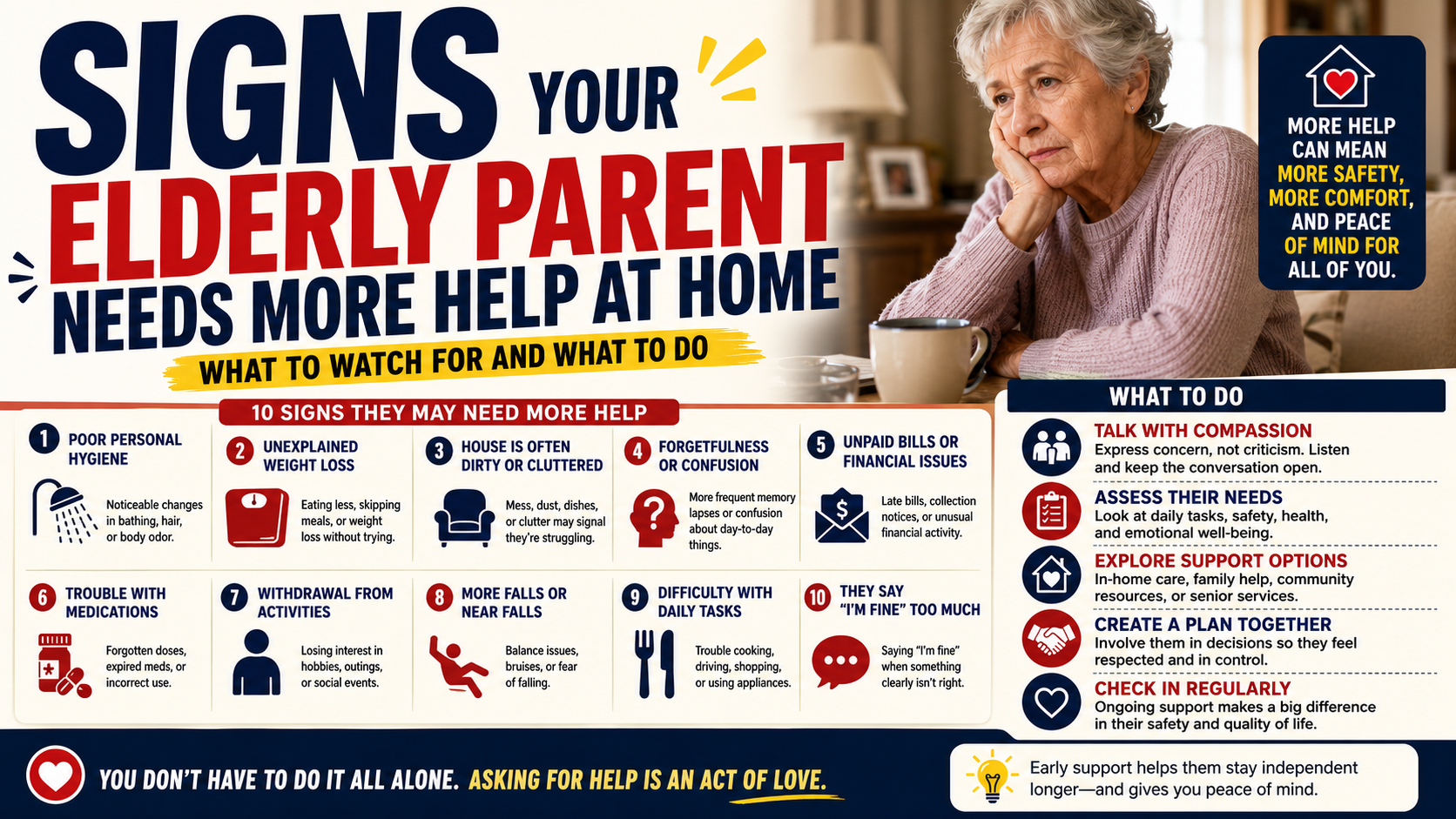
Mail and Bills Piling Up
A parent who managed their finances competently for decades suddenly has unopened mail stacking up. Notices from utilities. Past-due statements. Magazines still in their plastic wrap from weeks ago.
This can mean several things — early cognitive changes affecting executive function, depression reducing motivation for routine tasks, or simply overwhelming fatigue from managing more than anyone realizes. Any of these warrants attention. The specific cause determines the response.
What to do: Offer to help set up automatic bill payment. Look through the mail together if your parent will allow it — note anything that suggests financial disorganization. Ask their physician to screen for depression and cognitive changes at the next appointment.
A Home That’s Less Clean or Maintained Than It Used To Be
Dishes piling up. Laundry not getting done. Dust accumulating in places that used to be kept spotless. General clutter that wasn’t there six months ago.
A parent who took pride in their home and kept it well is now letting things slide — this isn’t laziness. It’s a signal that the energy and capacity required for household maintenance has decreased. Whether due to physical fatigue, pain, depression, or early cognitive changes, the result is the same: the home requires more than the person currently has to give it.
What to do: Offer specific help rather than general concern. “Can I set up a housekeeping service to come twice a month?” is actionable. “I’m worried about how things look” is not. Our guide on how to help an elderly parent live safely alone covers how to have these conversations productively.
The Refrigerator and Kitchen Tell a Story
Check the refrigerator. Expired food that hasn’t been thrown out. Very little food suggesting meals aren’t being prepared. The same items repeatedly suggesting limited variety and possibly limited shopping capacity. Takeout containers accumulating suggesting cooking has stopped.
Nutrition affects everything — physical strength, balance, cognitive function, immune health, fall risk. A parent who isn’t eating adequately is a parent whose overall function is declining even if nothing else is obviously wrong.
What to do: Consider meal delivery services — Meals on Wheels or commercial options. Stock the pantry with easy-to-prepare options during visits. Watch for weight loss at subsequent visits, which objectively confirms inadequate nutrition. Ask their physician to check weight and nutrition markers at the next appointment.
For households managing dementia where kitchen safety is a concern our guide on dementia kitchen safety tips covers the specific interventions that address kitchen risks at each stage.
Medication Management Issues
Pill bottles that should be emptier or fuller than they are. Multiple bottles of the same medication suggesting confusion about what’s current. Medications stored in ways that don’t match the instructions. A parent who can’t clearly describe what they take and why.
Medication errors — missed doses, double doses, outdated prescriptions still being taken — are among the most significant and least visible health risks for seniors living alone. They directly affect fall risk, blood pressure stability, cognitive function, and overall health in ways that compound over time.
What to do: An automatic pill dispenser with a smart lock and alarm removes human memory from medication management entirely. The Windtrace 28-day automatic pill dispenser is the option we recommend — it holds a full month of medications, sounds an alarm at each dose time, only opens the current compartment, and notifies caregivers when a dose is missed. Our review of the best automatic pill dispenser for seniors covers it in full detail.
→ Get the Windtrace Pill Dispenser on Amazon
Home Safety Hazards That Have Appeared or Worsened
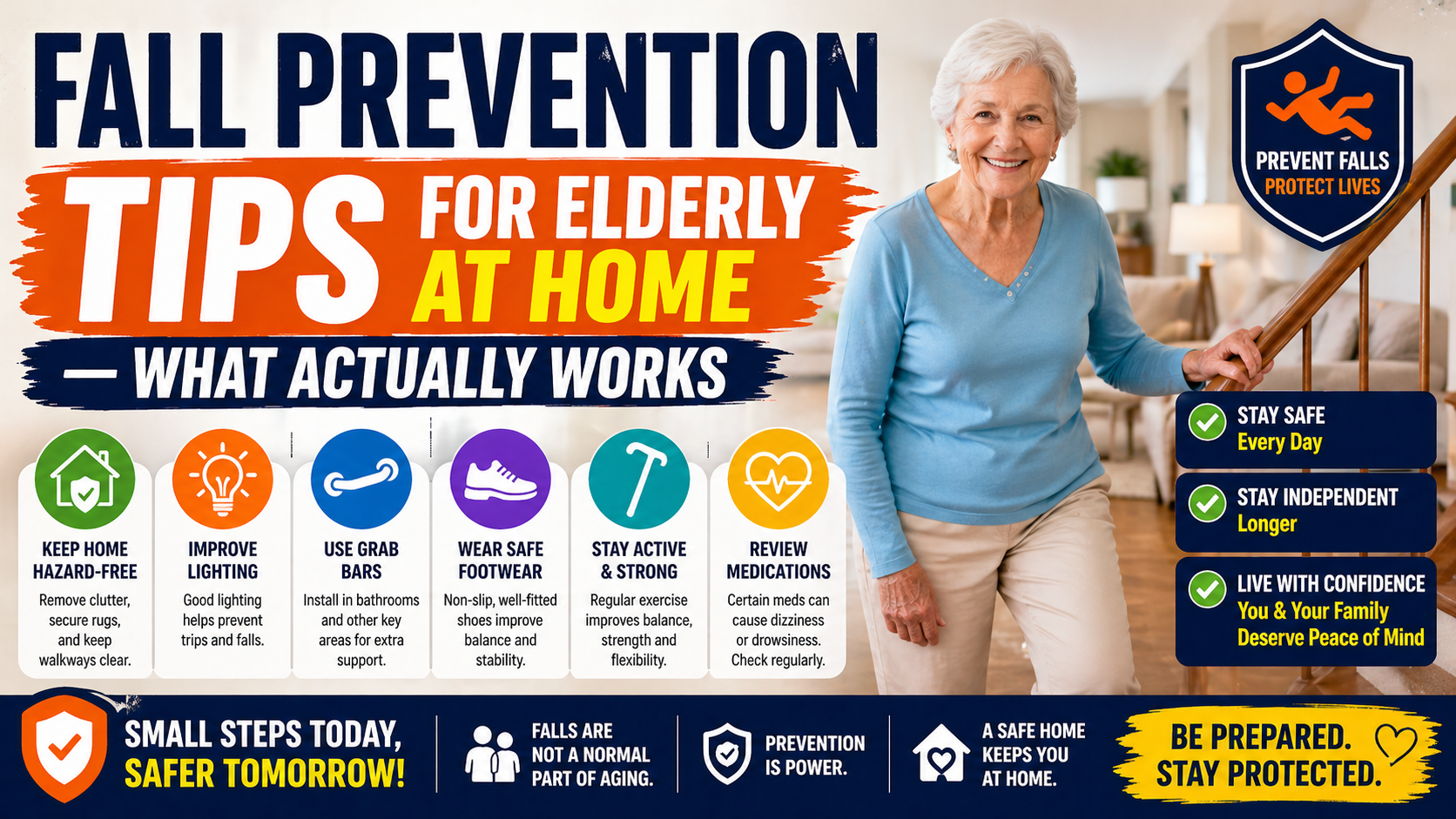
Walk through the home specifically looking for fall hazards — rugs that weren’t there before, cords crossing walking paths, furniture rearranged in ways that create obstacles, a bathroom without grab bars that now has a parent who moves more slowly and carefully than they used to.
A home that was safe enough at one level of physical function may no longer be safe enough at the current level. Physical changes happen gradually — the hazards that were manageable last year may not be manageable now.
What to do: Use our home safety checklist for seniors to walk through the home systematically. Address bathroom safety first — grab bars at the shower and toilet are the highest-impact modifications available. Our review of the best grab bars for seniors covers exactly what to buy.


Signs in Your Parent’s Physical Condition
Physical changes are often the most obvious signs — but they’re also the ones most frequently minimized as “just getting older” in ways that delay necessary action.
Unexplained Bruises or Injuries
Bruising on the arms, hips, legs, or shoulders that your parent can’t explain — or explains vaguely as “I bumped into something” — may indicate falls or near-falls that weren’t significant enough to report but are happening with some regularity.
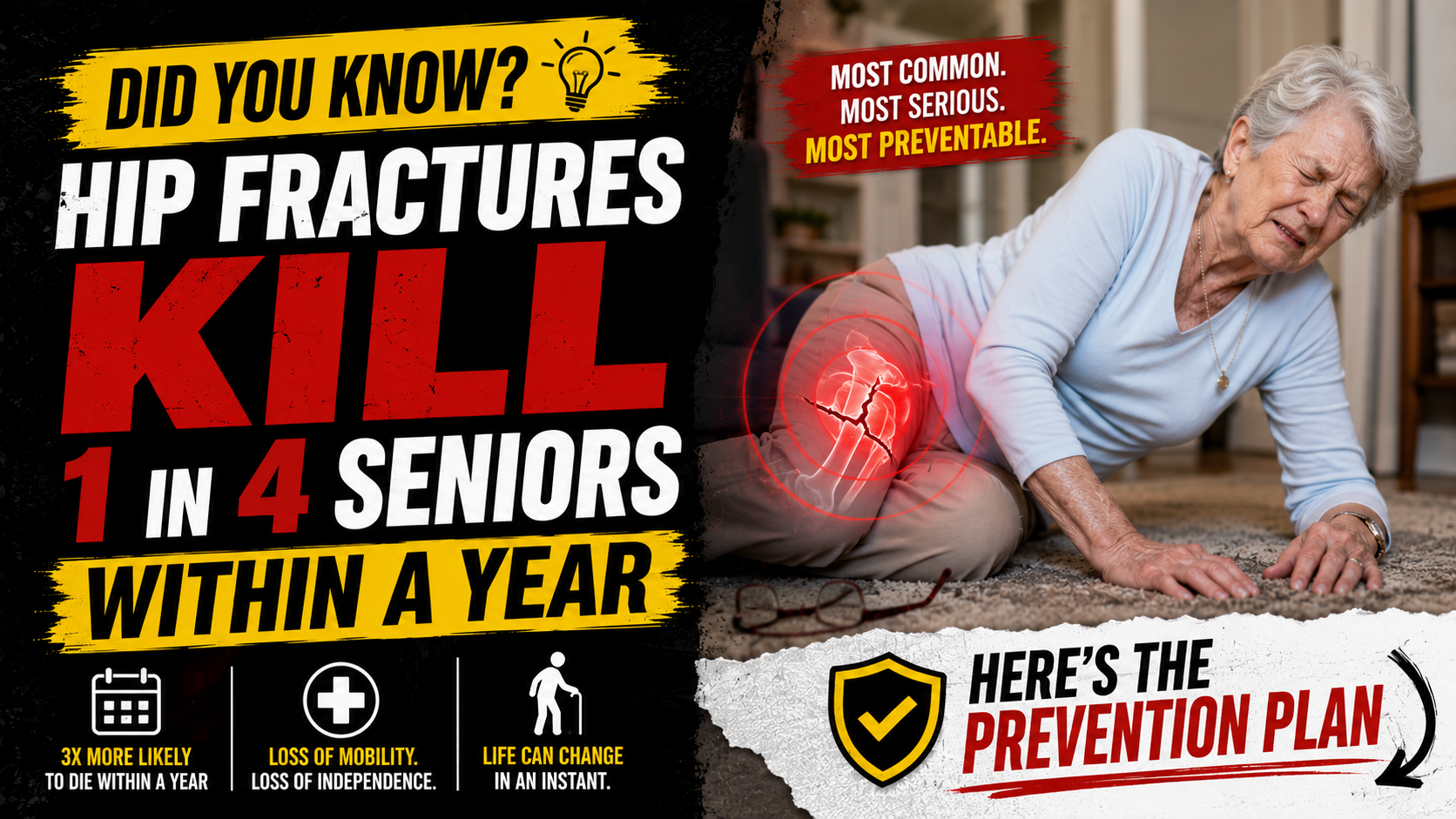
This is one of the most important signs to take seriously. Research consistently shows that a first fall dramatically increases the risk of a second — and that most people who experience a serious fall have had minor undisclosed falls in the months preceding it.
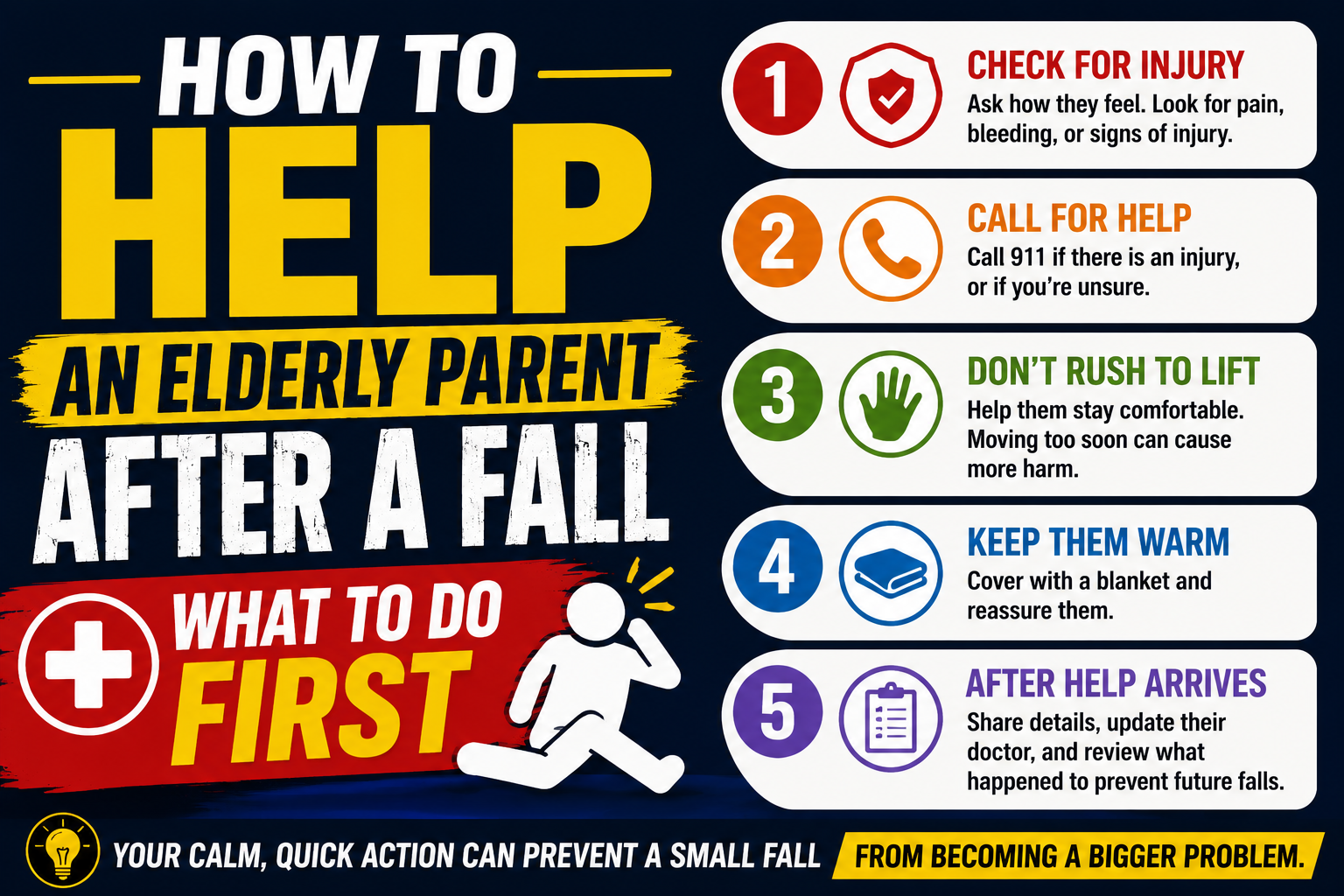
What to do: Ask directly and specifically. Not “are you falling?” — which invites denial — but “I noticed some bruising on your arm — what happened there?” Document what you observe. Request a fall risk assessment from their physician. Get home safety modifications and a medical alert device in place before the next fall rather than after it.
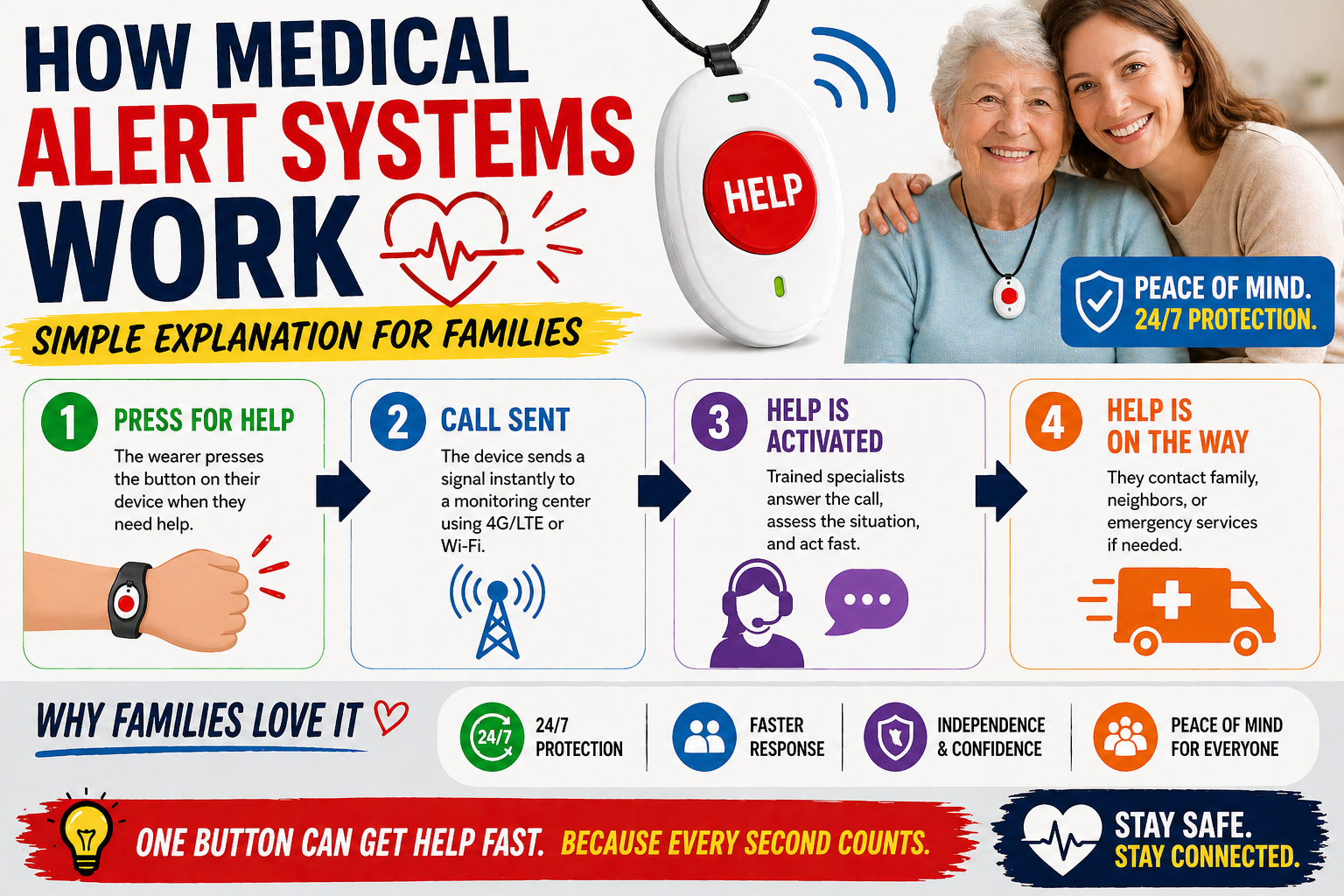
A medical alert device with automatic fall detection is the most important single addition for any parent with fall history. The SecuLife Smartwatch detects falls automatically and alerts family immediately — without requiring the person who fell to press anything. Our full SecuLife review covers everything worth knowing.
→ Get the SecuLife Smartwatch on Amazon
Noticeable Weight Loss
Weight loss that isn’t intentional — clothes that are loose in ways they weren’t before, a face that looks thinner, a body that seems smaller than it did — is a significant medical sign that warrants prompt attention.
Unintentional weight loss in older adults has many potential causes — inadequate nutrition, depression, cancer, thyroid problems, medication side effects, dental problems making eating difficult, early dementia affecting appetite and meal preparation capacity. All of them warrant medical evaluation. None of them should be dismissed as normal aging.
What to do: Note the change specifically — “you look like you’ve lost weight since I was last here” — and follow up with a physician appointment where weight is formally measured and recorded. Track weight at subsequent visits.
Noticeable Changes in Mobility or Gait
Moving more slowly than before. A shuffle that wasn’t there six months ago. Holding walls or furniture for support during normal movement. Hesitating at thresholds or steps. Avoiding stairs that were previously navigated without thought.
These gait and mobility changes are both a sign that something has changed and a fall risk factor in themselves. They’re worth taking seriously on both counts.
What to do: Request a physical therapy evaluation specifically for gait and balance assessment — this is covered by Medicare with documented fall risk or functional limitation. Consider whether a walking aid is appropriate — our guide on tips for helping seniors with balance problems covers the full approach. Our review of the best walking cane for seniors covers the specific option we recommend.
→ Get the HONEYBULL Walking Cane on Amazon
Difficulty With Tasks That Used to Be Easy
Struggling to open jars. Difficulty with buttons or clasps. Trouble getting in and out of chairs. Bathroom activities that are now effortful or that your parent avoids discussing. Specific tasks they mention finding harder without being specific about which ones.
These functional declines matter both for quality of life and for safety — because tasks that are difficult often get attempted with compensating movements that increase fall risk, or get avoided entirely in ways that compound the underlying physical decline.
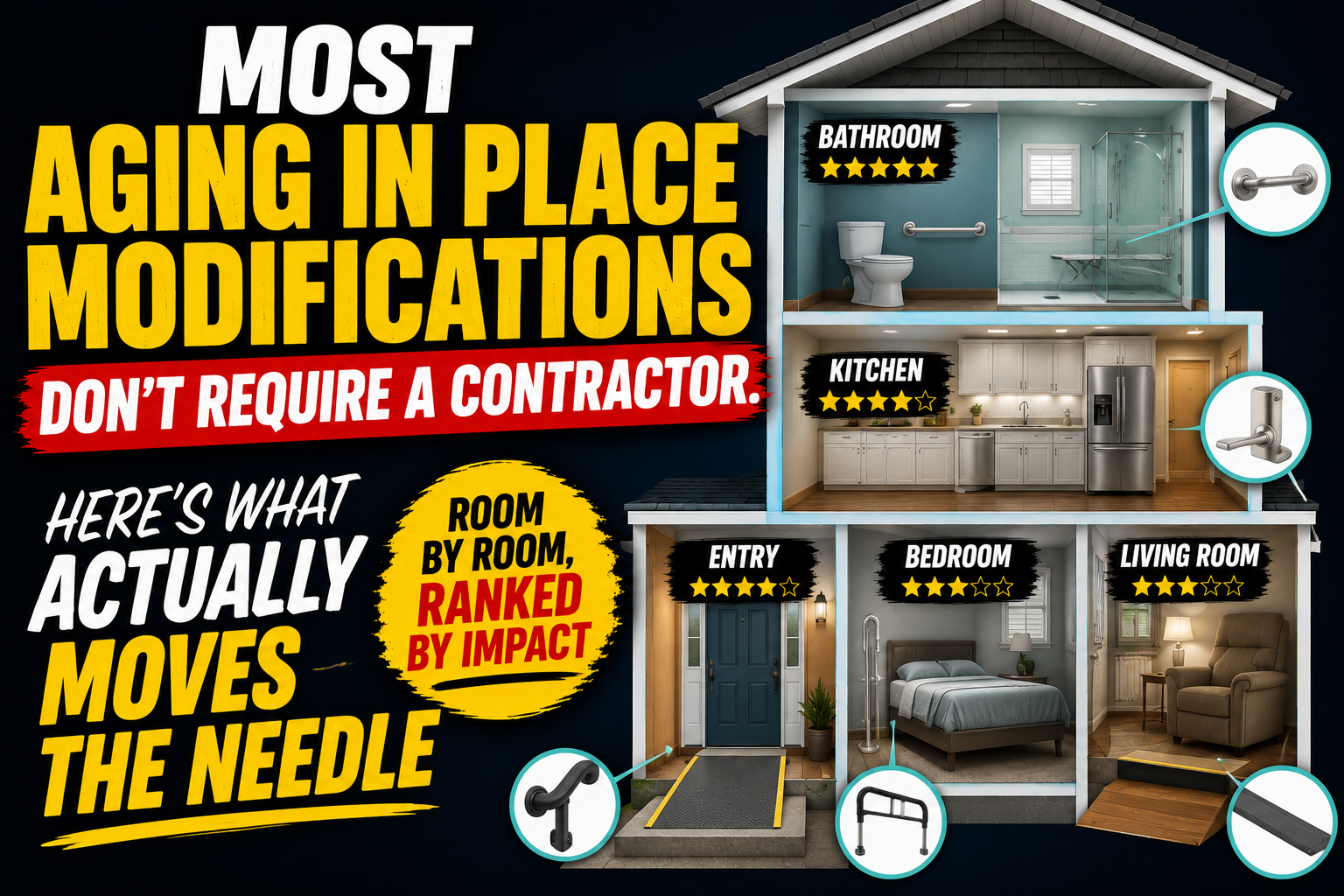
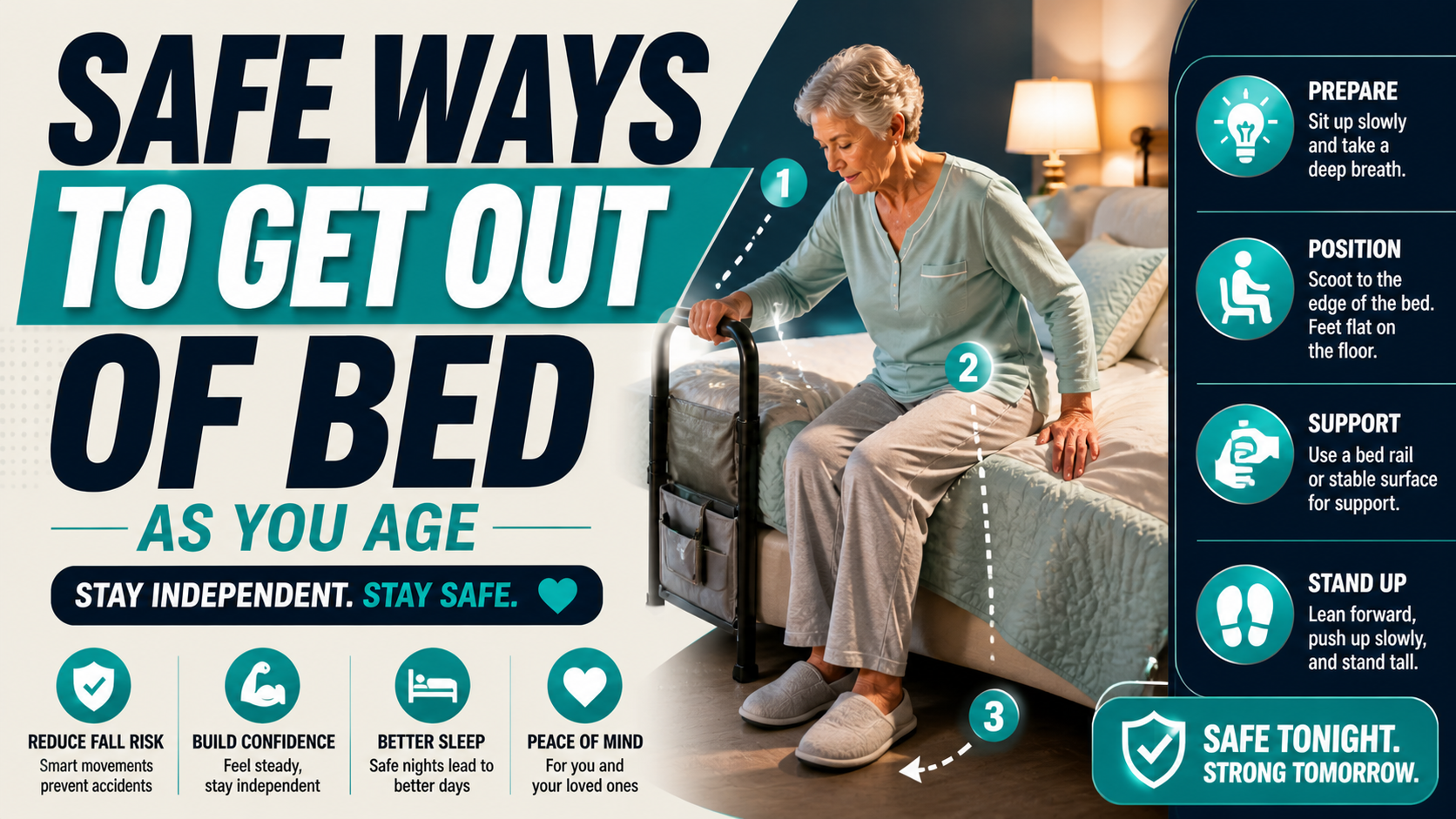
What to do: Address specific functional challenges with specific equipment solutions. Difficulty getting in and out of chairs — a power lift recliner. Toilet transfers becoming hard — toilet safety rails. Getting out of bed risky — a bed rail. Our guide on simple home modifications ranked by impact covers every modification in priority order.
→ Get the Toilet Safety Rails on Amazon
Changes in Personal Hygiene or Appearance
A parent who always dressed carefully now appears in unwashed clothes. Hair that used to be styled is unkempt. Body odor that suggests bathing has become infrequent. Dental hygiene that appears neglected.
These changes can indicate depression — which reduces motivation for self-care. They can indicate that bathing has become physically difficult or frightening — particularly if the bathroom lacks safety equipment. They can indicate early cognitive changes. They can indicate fatigue so profound that self-care is beyond current energy reserves.
What to do: Address the likely cause rather than the symptom. If bathing has become difficult or scary, bathroom safety modifications — particularly a shower chair and grab bars — may restore confidence. Our complete guide on safe shower setup for elderly adults covers every modification that makes bathing safer and more manageable.
→ Get the Shower Chair on Amazon
Signs in Cognitive Function
Cognitive signs are often the hardest to notice — partly because they appear gradually and partly because the very changes that create risk can affect the ability to recognize them. They’re also the ones most frequently minimized — both by the senior and by family members who find them frightening to acknowledge.
Memory Changes That Affect Daily Function
Occasional forgetfulness is normal at any age. Memory changes worth taking seriously involve forgetting recent conversations the same day they happened, repeatedly asking the same questions within a single visit, being unable to recall recent events that were significant, and losing track of time — not knowing what day or month it is.
The distinction that matters: forgetting where you put your keys is normal aging. Forgetting that you have keys, or forgetting what keys are for, is not.
What to do: Raise the concern with their physician specifically and in writing if possible — “I’ve noticed these specific changes over the past three months.” Request cognitive screening. Early evaluation opens access to treatment, support, and planning that isn’t available after significant decline has occurred.
Getting Lost or Confused in Familiar Places
Missing turns on routes driven hundreds of times. Getting disoriented in a familiar neighborhood. Confusion about where they are in their own home — particularly at night. These are significant warning signs that warrant prompt medical evaluation.
What to do: GPS tracking through a wearable device should be in place before wandering behavior emerges — not after. The SecuLife Smartwatch’s real-time GPS and geofencing alerts are exactly designed for this — family members receive an alert the moment their loved one leaves a defined safe area. Our guide on wandering prevention for seniors with dementia covers the complete approach.
Poor Judgment and Decision-Making
Falling for obvious phone scams. Making financial decisions that are clearly imprudent. Being overly trusting of strangers. Making safety choices — leaving the stove on, not locking the door, going out in inappropriate weather — that suggest judgment has changed significantly.
Poor judgment is one of the executive function changes that often appears early in cognitive decline — before memory changes become obvious — and it’s one of the most dangerous because the consequences can be immediate and serious.
What to do: Set up automatic bill payment to remove financial management from daily executive function demands. Contact their bank about elder financial fraud protection measures. Ensure legal documents — Power of Attorney, Healthcare Power of Attorney — are in place while capacity is intact. Our aging in place checklist covers legal planning in detail.
Personality or Mood Changes
A parent who was warm becoming withdrawn. Someone who was easygoing becoming irritable or suspicious. Increased anxiety about things that didn’t used to create anxiety. Depression that appears as flatness or disengagement rather than sadness.
Personality and mood changes can be early indicators of dementia — where they often precede obvious memory changes by months or years. They can also indicate depression, which is both common and treatable in older adults. Either way they warrant medical evaluation rather than being dismissed as personality.
What to do: Bring the specific changes to their physician’s attention. Depression screening is standard at wellness visits but may not happen without prompting. Dementia evaluation requires specific cognitive testing. Both conditions have treatment options that improve quality of life significantly when caught early.

Signs in Social Life and Daily Activity
Social Withdrawal
Activities they used to enjoy have stopped. Invitations they would have accepted are now declined. Phone calls are shorter and less frequent. Friends mention they haven’t heard from them. The social world has contracted significantly from what it was a year ago.
Social withdrawal is both a warning sign and a risk factor — it’s associated with accelerated cognitive decline, depression, reduced physical activity, and delayed recognition of health changes. It matters as a safety issue, not just a quality of life concern.
What to do: Identify the barrier to social participation. If transportation is the issue, help establish transportation solutions before driving stops entirely. If mobility is the issue, a rollator walker may restore confidence for outings. Our review of the best rollator walker for seniors covers the all-terrain option that makes getting out and about manageable.
→ Get the SOUNDFUSE Rollator Walker on Amazon
Stopping Driving or Driving Concerns
New dents or scrapes on the car. Running red lights or stop signs. Getting lost on familiar routes. Other drivers honking. Passengers who feel unsafe. A parent who has quietly stopped driving without mentioning it.
Driving changes are significant both as a safety issue and as an independence issue. Loss of driving often leads to social isolation if transportation alternatives aren’t established. And unsafe driving puts not just your parent but everyone on the road at risk.
What to do: Have the conversation directly if driving safety is genuinely compromised — this is one where the stakes are too high for avoidance. Simultaneously establish transportation alternatives before the issue becomes urgent. Identify local senior transportation services, ride-sharing options, and family members who can provide transportation on a regular schedule.
Missed Appointments or Obligations
Doctor appointments not attended. Regular commitments missed without explanation. Phone calls that go unreturned for days. A pattern of not showing up for things that were previously reliable.
This pattern suggests either cognitive changes affecting memory and planning, depression reducing motivation and engagement, physical limitation making getting to appointments difficult, or some combination. All of these warrant investigation.
What to do: Help establish appointment reminder systems. Offer to accompany them to medical appointments — both to ensure they get there and to be present for information that may be harder to retain alone. Consider whether a medication management system would address the cognitive load that may be contributing.


When You See These Signs — What to Do Next
Recognizing signs is the first step. The response matters as much as the recognition.
Don’t React Immediately During the Visit
If you notice several concerning signs during a visit, resist the urge to address them all at once in the moment. An immediate confrontation — “I’m very worried about what I’m seeing here” — puts your parent on the defensive and often produces denial rather than engagement. Note what you’ve observed. Process it. Plan your approach deliberately.
Document Specifically
Write down what you observed, when, and how it compared to previous visits. Specific observations — “three unexplained bruises on her left arm, refrigerator had food expired by three weeks, couldn’t remember our conversation from two days ago” — are far more actionable than general impressions. Specific documentation also serves as a baseline for tracking whether things are improving, stable, or declining over time.
Involve Their Physician
Send a note to their physician before the next appointment describing what you’ve observed. Physicians see patients for 15-20 minutes in a clinic setting — they don’t see what you see during a visit. Your observations are clinically relevant information that should be part of the medical record. Most physicians welcome this kind of family communication.
Have the Conversation — Collaboratively
The conversation about needing more help works best when it’s framed as figuring something out together rather than announcing a conclusion. “I’ve noticed some things that I want to talk with you about — not to tell you what to do but to make sure we’re thinking about this together” opens very differently than “I’m worried and I think we need to make some changes.”
Our guide on how to talk to a parent about safety measures covers the specific conversation techniques that work — including how to handle resistance and the most common objections.
Address the Highest-Risk Items First
You can’t fix everything at once. Address the highest-risk items first — typically home fall hazards and the absence of a medical alert device. Our guide on home modifications ranked by impact tells you exactly what to do in what order.
Build the Support Network
No single person can monitor and support an aging parent alone — and trying to leads to caregiver burnout that ultimately compromises the care being provided. Identify other family members, neighbors, and professional services that can share the monitoring and support load before the need becomes acute.
The Safety Net — Putting It in Place Now
If you’ve recognized several signs in this guide, the most important single action you can take before your next visit is getting a medical alert device with automatic fall detection in place.
Not after the next fall. Now. Before it.
The SecuLife Smartwatch is the option we recommend — automatic fall detection that works even when the person can’t press a button, real-time GPS so you can always see where they are, and a smartwatch design that actually gets worn rather than sitting in a drawer. Our guide on best medical alert system for seniors living alone covers every feature that matters for solo living specifically.
Alongside the medical alert device, the home safety modifications that address the physical fall risks — grab bars, toilet safety rails, bed rail, night lights — should be on the action list for your next visit. Our complete home safety checklist gives you a systematic room-by-room tool to work through.
And for the complete picture of what proactive support for a parent living alone looks like our guide on how to help an elderly parent live safely alone covers every step — home modifications, technology, health management, legal planning, and the conversations that make it all work.


Frequently Asked Questions
How do I bring up my concerns without my parent feeling insulted or defensive?
Lead with specific observations rather than general worry. “I noticed the mail hasn’t been opened in a few weeks — is everything okay with the bills?” is less threatening than “I’m worried you can’t manage things anymore.” Specific observations invite specific responses. General worry invites defensiveness. Ask questions more than you make statements. Your parent’s answers will tell you more than any conclusion you’ve already reached.
My siblings think I’m overreacting. What do I do?
Document specifically what you’ve observed and share it with siblings in writing — not in a heated conversation but as factual information. “Here’s what I noticed during my last three visits” with specific details is harder to dismiss than general impressions. Invite them to visit with fresh eyes. If disagreement persists, propose getting an objective professional assessment — a physician evaluation or a geriatric care manager assessment — that provides a neutral third-party perspective.
How quickly do I need to act when I see warning signs?
It depends on the sign. Unexplained bruising suggesting falls, signs of significant cognitive decline, evidence of dangerous situations like leaving the stove on — these warrant action within days not weeks. Gradual changes in home maintenance or social withdrawal warrant a thoughtful response within weeks but aren’t immediate emergencies. When in doubt err toward acting sooner — the cost of acting early when it wasn’t quite necessary is much lower than the cost of acting late when it was.
What if my parent refuses to accept any help?
Focus first on changes that don’t require their agreement — home modifications you can make during visits, setting up automatic bill payment if you have access, notifying neighbors to be watchful. Continue the conversation gently and consistently without ultimatums. Involve their physician — a recommendation from a trusted doctor carries different weight than one from an adult child who “just worries.” And recognize that some level of risk is part of respecting autonomy — the goal is reducing risk, not eliminating it at the cost of independence.
Is it time to consider assisted living when I see these signs?
Rarely immediately — most warning signs have specific, addressable responses that extend safe independent living significantly. Assisted living becomes the right conversation when care needs genuinely exceed what can be safely arranged at home, when cognitive decline creates consistent safety emergencies regardless of modifications, or when the person themselves expresses that they want more support than home living provides. Most warning signs indicate the former — specific changes that need specific responses — not the latter. Our guide on what is aging in place covers this decision honestly.


Act on What You See — While There’s Still Time to Choose
The window where your parent is still making their own choices — about where they live, what help they accept, how their life is structured — is worth protecting actively. That window stays open longer for families who recognize early signs and respond to them than for those who wait until a crisis removes the choice entirely.
You’re reading this because you care and because something has prompted a closer look. Trust that instinct. Act on what you’ve seen. Get the conversations started, the modifications made, and the safety net in place — while there’s still time to do it thoughtfully rather than urgently.
→ Get the SecuLife Smartwatch on Amazon — automatic fall detection for parents who need more support
→ Get the Grab Bars on Amazon — the highest-impact bathroom modification
→ Get the Pill Dispenser on Amazon — for parents struggling with medication management

About the Author
Margaret Holloway, RN spent 22 years in geriatric nursing watching the difference between families who recognized early signs and acted on them versus those who waited for a crisis to force action. The outcomes between those two groups — in quality of life, in preserved independence, in the choices that remained available — were consistently and significantly different. She writes for Elder Safety Guide because she believes adult children deserve the specific, honest information that helps them recognize what they’re seeing and respond in ways that actually help.