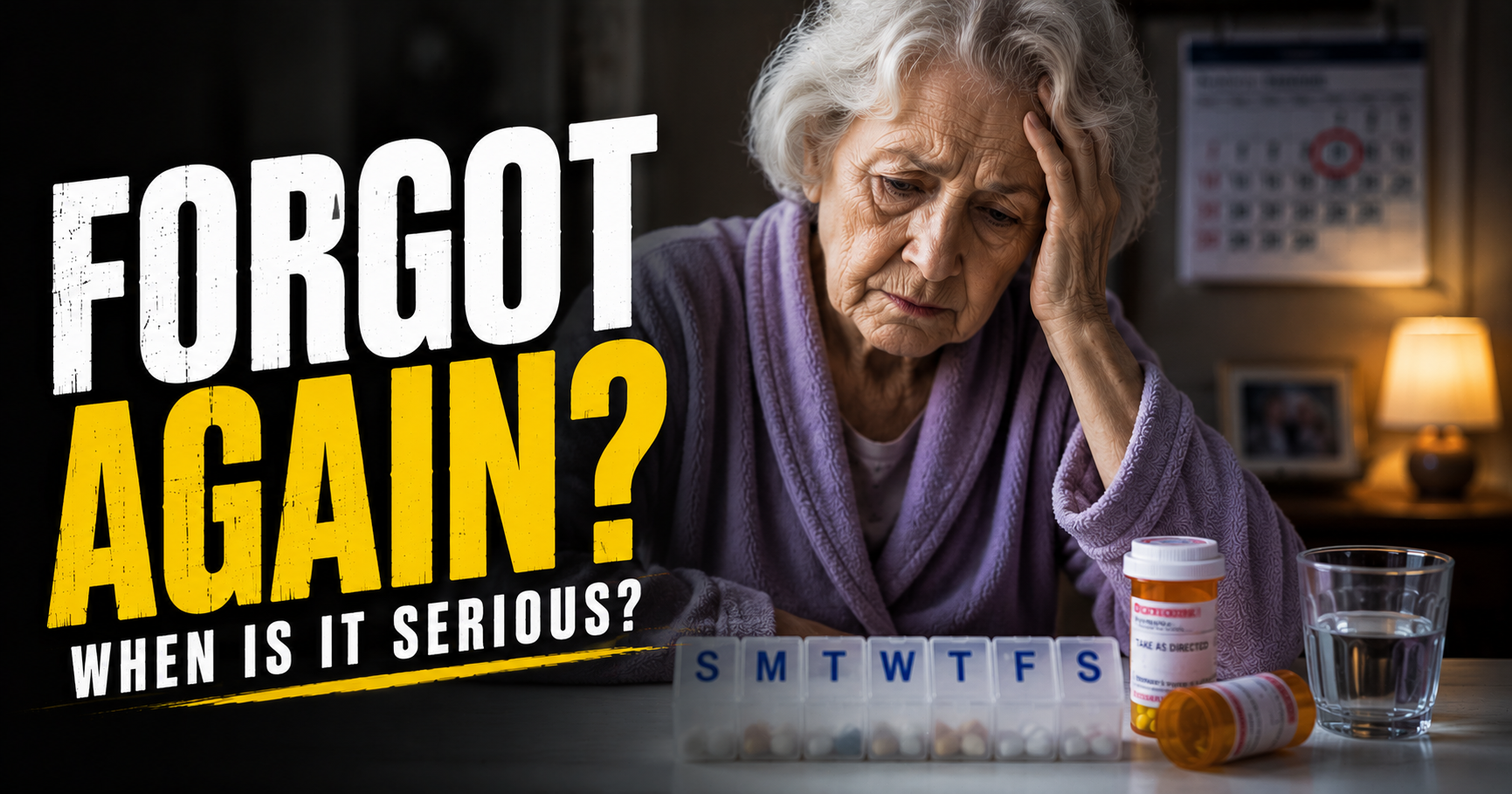
One missed pill doesn’t usually cause panic.
Most of us have forgotten medication at some point.
The problem starts when forgetting medication becomes a pattern.
I’ve talked with many families who first noticed something was wrong when a parent repeatedly missed medications, took the wrong dose, or seemed confused about prescriptions they had managed successfully for years.
What makes medication mistakes especially concerning is that they often happen long before a major health event.
In many cases, forgetting medication isn’t the actual problem.
It’s the warning sign.
The real issue may be memory changes, declining health, poor vision, confusion, depression, or an inability to safely manage daily tasks.
Knowing when to worry can help families step in before a preventable crisis occurs.
Why Medication Mistakes Are So Common In Seniors
As people age, medication routines often become more complicated.
Many older adults take multiple prescriptions every day.
Some medications must be taken:
- In the morning
- At bedtime
- With food
- Without food
- Every other day
- At specific times
Managing multiple prescriptions can become overwhelming.
Even healthy seniors occasionally make mistakes.
The question is whether the mistakes are becoming more frequent.


One Missed Dose Usually Isn’t The Problem
Families sometimes panic after a single mistake.
I usually tell people to look for patterns instead.
For example:
- Forgetting medication once last month is different from forgetting three times this week.
- Taking the wrong pill one time is different from regularly mixing up prescriptions.
- Missing a dose after a stressful day is different from consistently forgetting medication.
Frequency matters.
Patterns matter.
Changes matter.
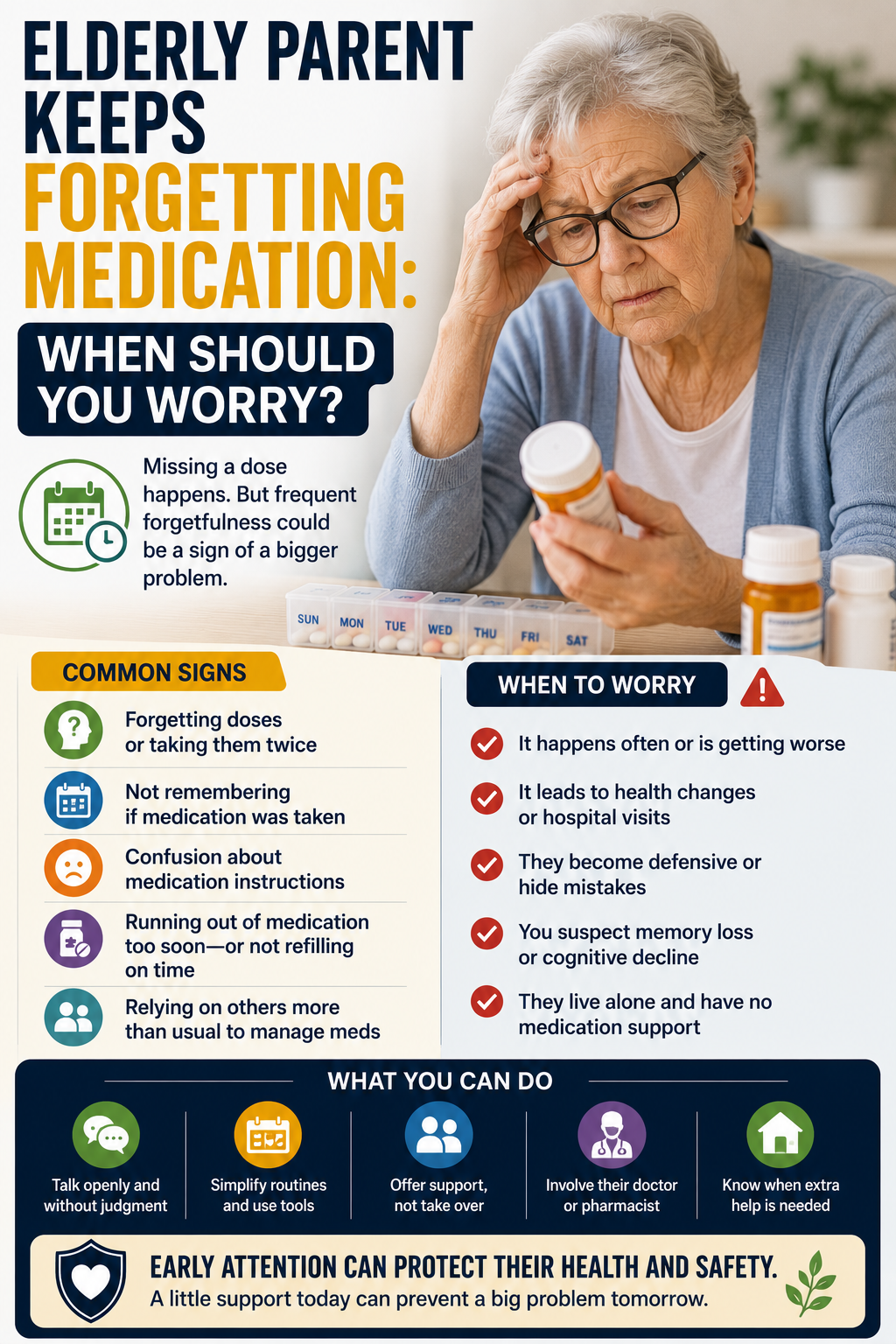
They Can’t Remember If They Took Their Medication
One of the biggest warning signs is uncertainty.
Your parent may say things like:
- “I can’t remember if I took it.”
- “I think I already took that one.”
- “Maybe I missed it.”
- “I better take another just in case.”
This creates a dangerous situation.
Some seniors accidentally skip medications.
Others accidentally double-dose medications.
Both can create serious health risks.
Pill Bottles Start Piling Up
A quick look around the home often reveals problems.
Pay attention to:
- Unopened prescriptions
- Old pill bottles
- Missed refills
- Expired medications
These can indicate your parent is struggling to manage their routine.
Medication issues often appear alongside other concerns discussed in signs your elderly parent is hiding health problems from you.
Many seniors quietly cover up medication mistakes because they fear losing independence.
They Become Defensive About Medication Questions
I’ve noticed many seniors become surprisingly defensive when medication issues are mentioned.
You may hear:
- “I’m fine.”
- “I’ve got it handled.”
- “Stop worrying.”
- “You’re making a big deal out of nothing.”
Sometimes the defensiveness comes from embarrassment.
Sometimes it comes from fear.
Many seniors worry that admitting medication problems could trigger conversations about driving, caregiving, or moving.

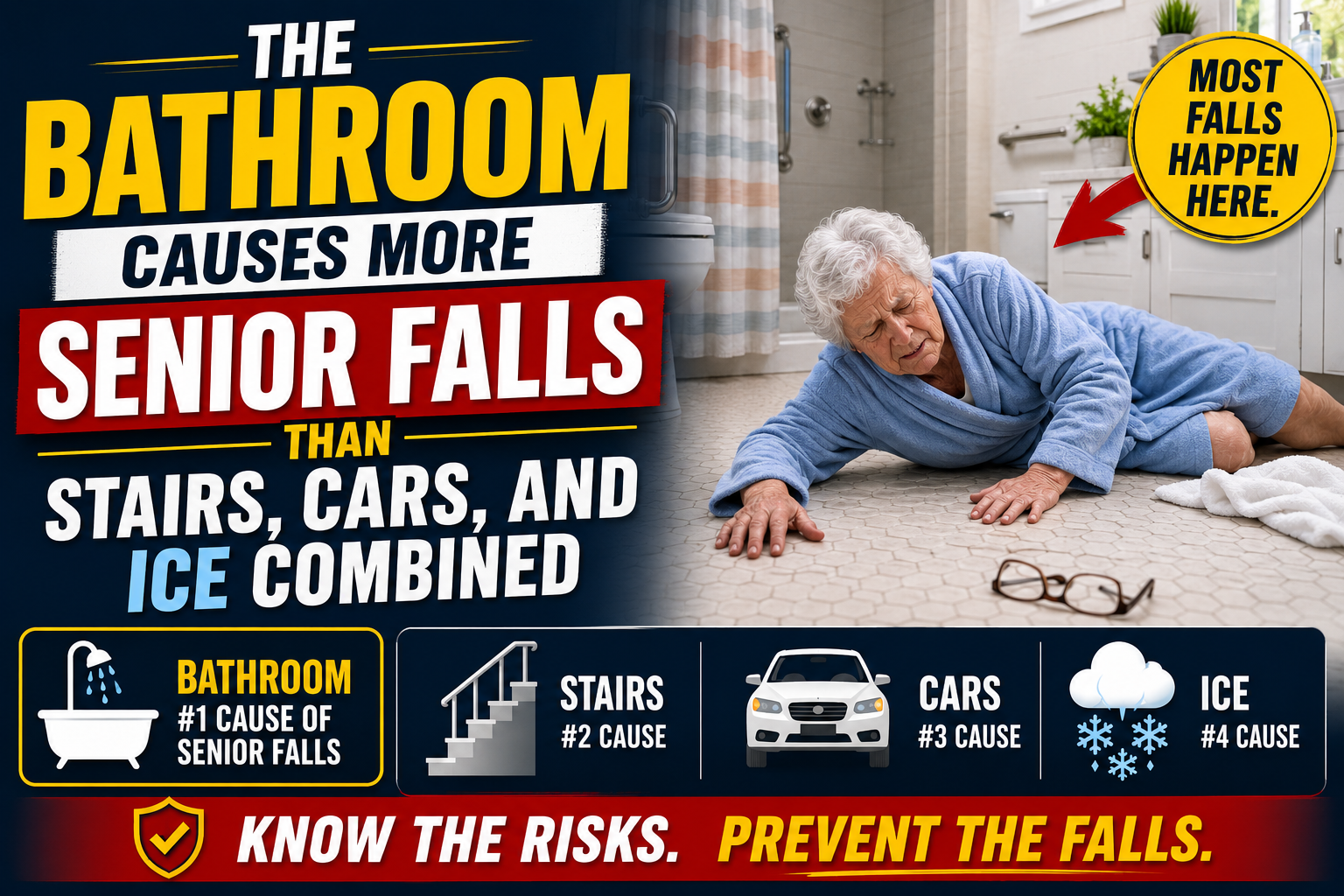
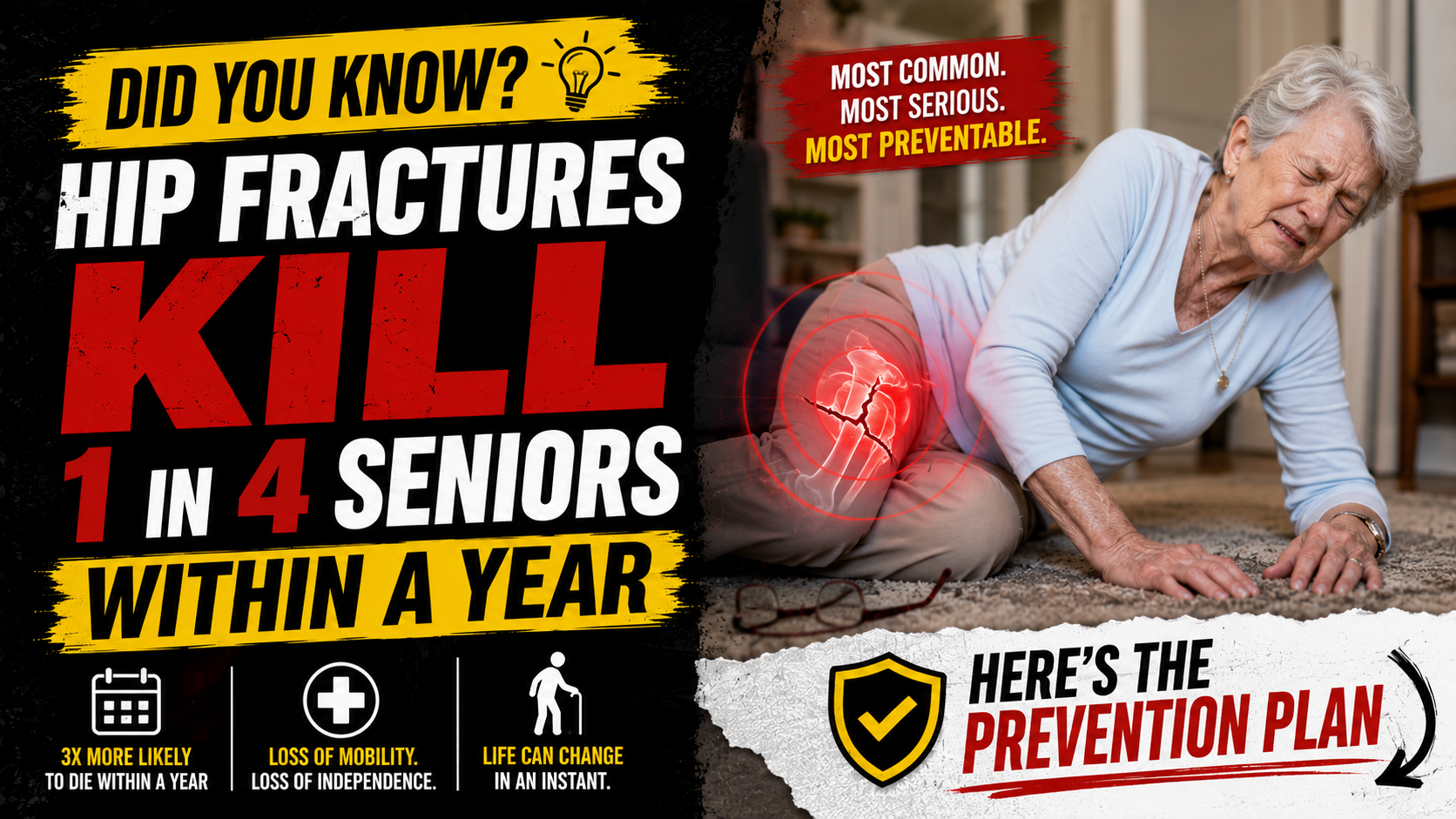
Medication Mistakes Can Cause Falls
This connection surprises many families.
Certain medications affect:
- Balance
- Blood pressure
- Alertness
- Coordination
Missing medications or taking incorrect doses can dramatically increase fall risk.
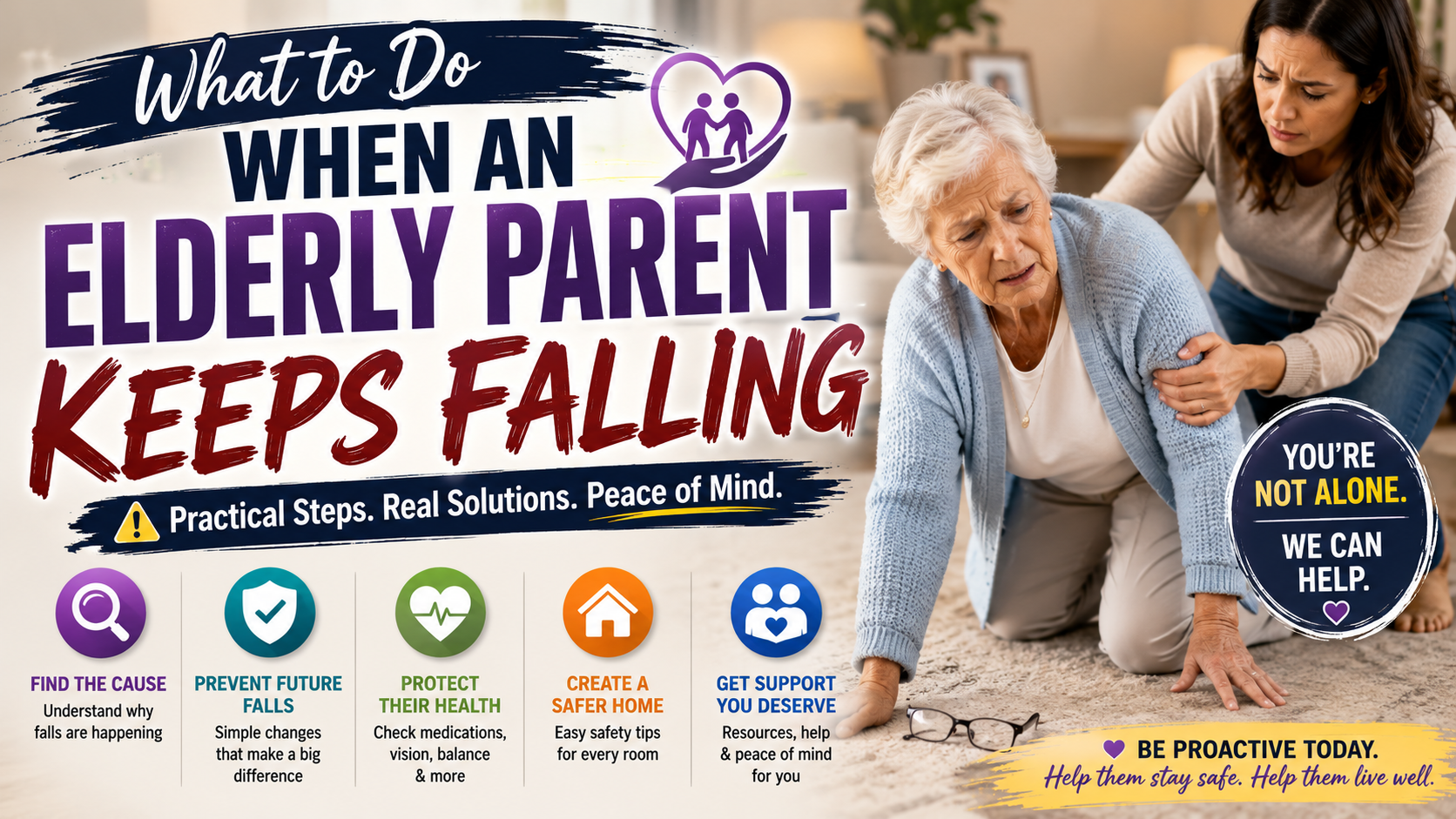
If your parent has recently experienced falls, read what to do when an elderly parent keeps falling and fall prevention for seniors.
Medication errors are often hidden contributors.
Vision Problems May Be The Real Cause
Sometimes memory isn’t the issue.
Vision is.
A senior may struggle to:
- Read labels
- Identify pills
- Read dosage instructions
- See expiration dates
Families often assume cognitive decline when eyesight may be contributing significantly.



They Frequently Miss Doctor Instructions
Medication problems often extend beyond pills.
Pay attention if your parent:
- Cannot explain why they take certain medications
- Doesn’t understand dosage changes
- Frequently misunderstands doctor instructions
- Confuses multiple prescriptions
These situations may indicate growing difficulty managing healthcare independently.


Memory Changes Should Never Be Ignored
Medication mistakes can be one of the earliest signs of cognitive decline.
That doesn’t automatically mean dementia.
However, it deserves attention.
Families should review normal aging vs something worth worrying about to better understand the difference between common age-related forgetfulness and potential warning signs.

Long Distance Families Often Miss Medication Problems
One challenge I’ve seen repeatedly is distance.
A parent may sound perfectly fine during phone calls.
Meanwhile:
- Medications are being missed
- Refills aren’t happening
- Instructions are being misunderstood
If you live far away, read how to help aging parents from a distance.
Medication management is one of the first areas that can quietly begin slipping.


Other Warning Signs Often Appear At The Same Time
Medication mistakes rarely happen in isolation.
Families often notice other changes such as:
- Weight loss
- Missed appointments
- Hygiene concerns
- Driving problems
- Falls
- Social withdrawal
- Confusion
If multiple warning signs are appearing, review signs your elderly parent needs more help at home.
The bigger picture matters.
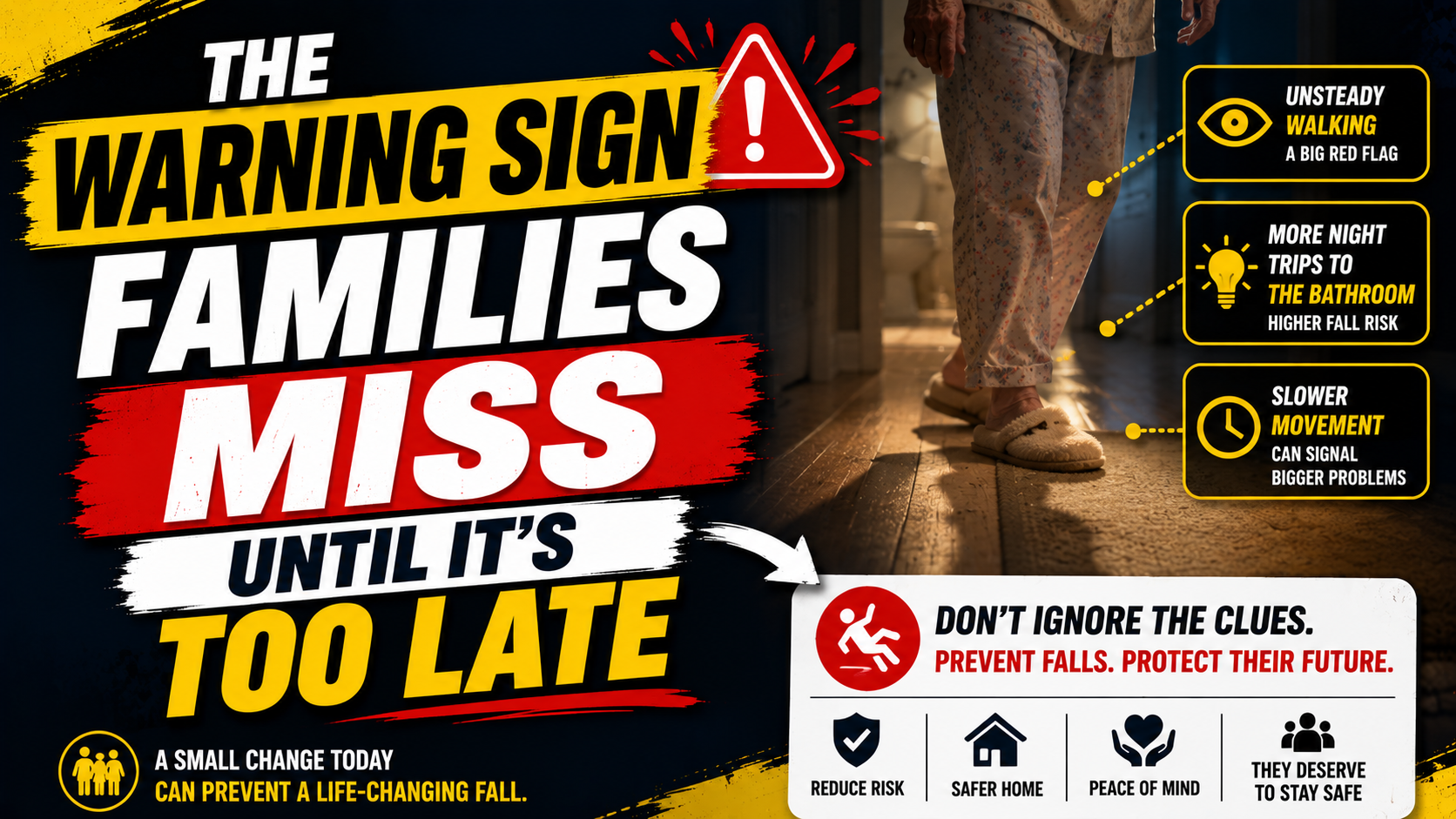
When Medication Mistakes Become Dangerous
Some medications carry greater risks than others.
Repeated mistakes involving:
- Heart medications
- Diabetes medications
- Blood thinners
- Blood pressure medications
- Seizure medications
can become serious very quickly.
This is especially true when a parent lives alone.
Families concerned about independent living should also read warning signs you may not be safe living alone anymore.
Medication management is a major factor in safe aging at home.
What Families Should Not Do
Avoid treating your parent like a child.
That approach usually creates resistance.
Instead of saying:
- “You can’t manage your medications.”
- “You’re messing this up.”
- “You need someone to take over.”
Try:
- “How can we make this easier?”
- “Would a system help?”
- “Let’s figure this out together.”
Respect goes a long way.



Helpful Solutions That Actually Work
Fortunately, many medication problems can be solved.
Options include:
- Pill organizers
- Medication reminder apps
- Automatic pill dispensers
- Family check-ins
- Pharmacy packaging services
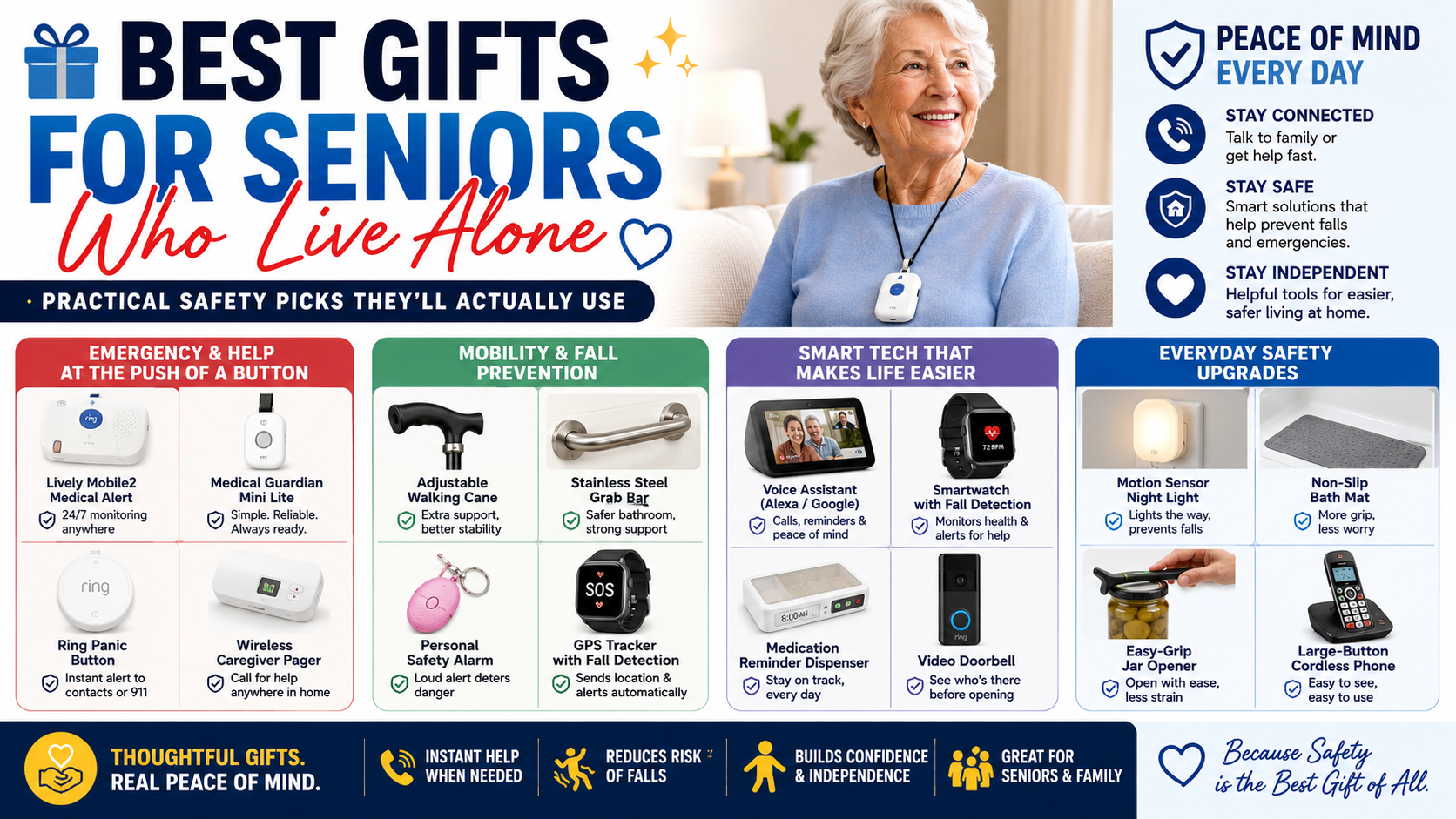
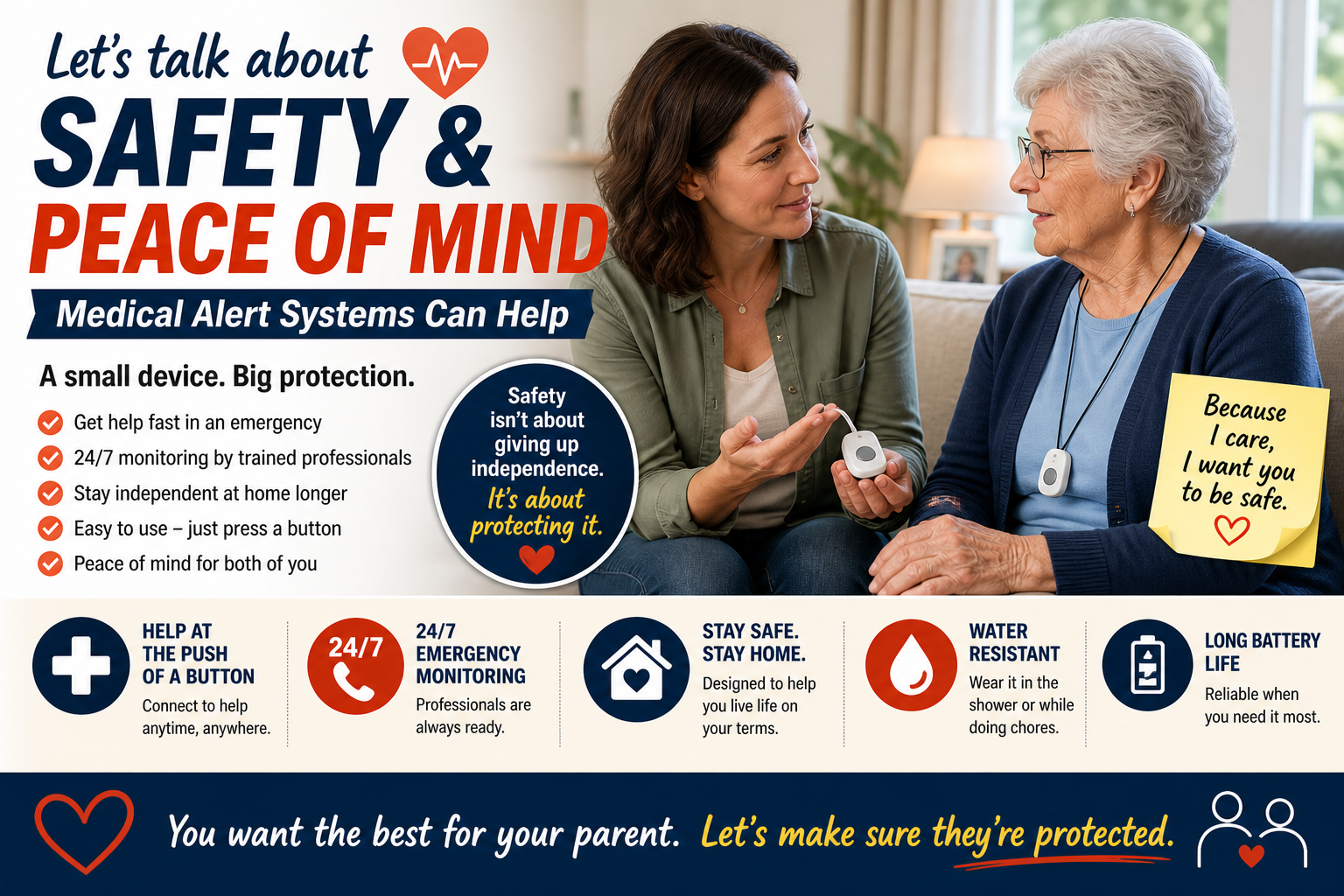
One option many families find helpful is an automatic pill dispenser for seniors, which can reduce missed doses and simplify complex medication schedules.
When Refusing Help Becomes Part Of The Problem
Sometimes the issue isn’t the medication.
The issue is refusing assistance.
Many seniors know they’re struggling but don’t want to admit it.
If every conversation about medications turns into an argument, read elderly parent refuses help.
Understanding the reasons behind resistance often helps families make far more progress.
How To Monitor Medication Problems Without Taking Away Independence
This is a balance many families struggle with.
The goal shouldn’t be control.
The goal should be safety.
If you’re trying to stay informed while respecting your parent’s independence, our guide on how to monitor an elderly parent at home provides practical ideas that don’t feel intrusive.
The Medication Mistake Is Often Just The First Clue
I’ve seen many families focus entirely on the missed medication.
What they eventually discover is that the medication issue was only the first visible sign.
The real problem was:
- Memory decline
- Vision changes
- Mobility limitations
- Depression
- Hidden health issues
- Increasing dependence
That’s why medication mistakes deserve attention.
Not because every missed pill is an emergency.
But because repeated mistakes often reveal challenges that need to be addressed before a crisis occurs.
The earlier families recognize these warning signs, the more options they usually have to keep an aging parent safe, healthy, and independent.
About the Author
Michael Carter is a senior safety researcher and writer for Elder Safety Guide. He specializes in aging in place, fall prevention, caregiver education, dementia safety, medication management, and helping families recognize warning signs before they become emergencies. His goal is to provide practical, easy-to-understand guidance that helps older adults stay safe while maintaining their independence.