There are hundreds of fall prevention products for seniors. Here are the ones that actually make a difference — ranked by real-world impact and honest reviews.
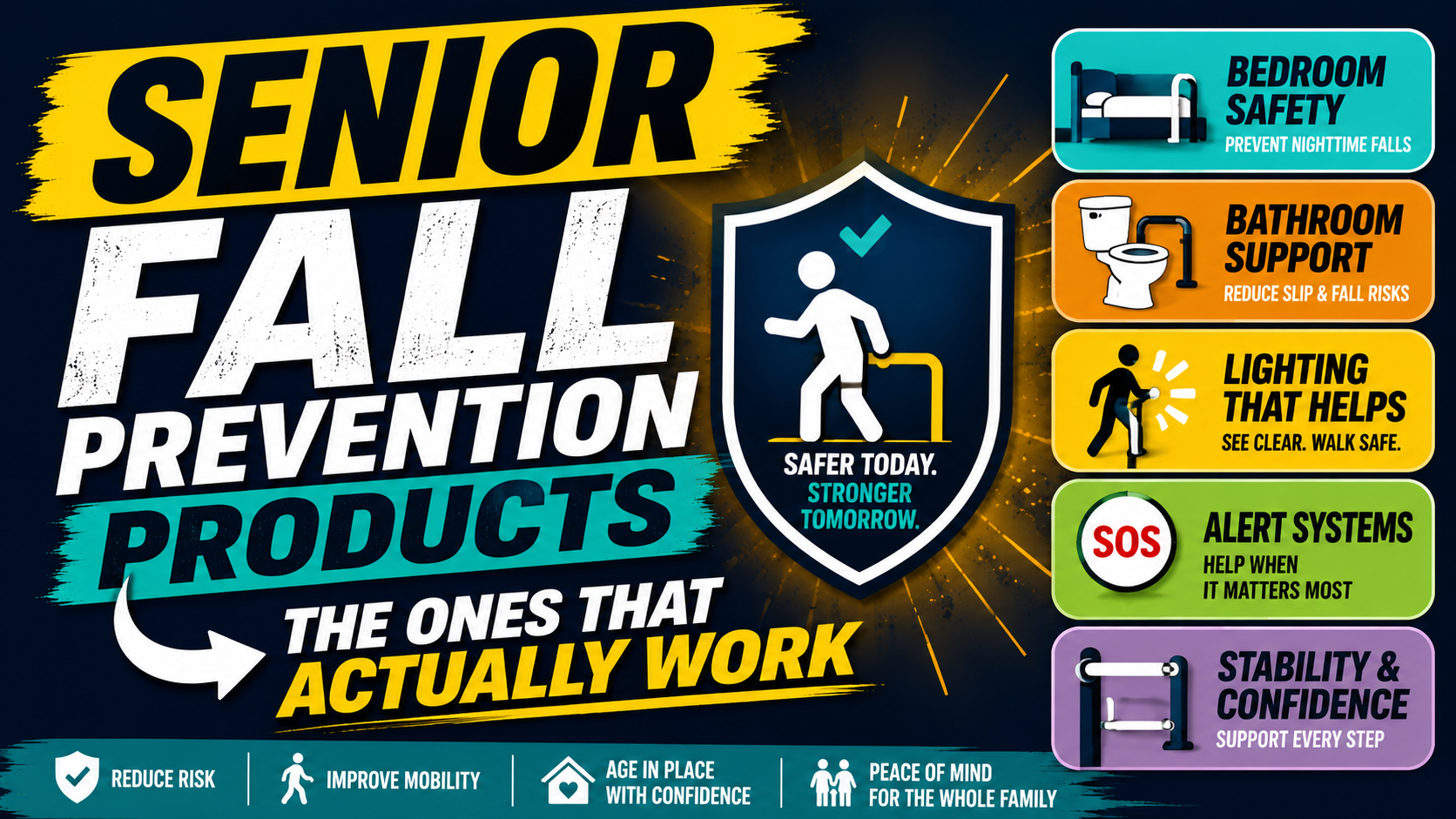
Search “fall prevention products for seniors” and you’ll find hundreds of options — grip socks, bed alarms, hip protectors, sensor mats, wearable airbags, laser canes, and dozens of gadgets that promise to prevent falls in older adults.
Some of them work extremely well. Some provide minimal real-world benefit. And a few are genuinely useful but only for specific situations that don’t apply to most people.
This guide cuts through the noise. Every product here is ranked by real-world impact — how much actual fall risk reduction it produces per dollar and per day of use. The highest-impact products are first. The niche products that only matter for specific situations are last. Work down the list and you’ll spend your money where it makes the most difference.
Tier 1 — Highest Impact, Get These First
These products address the most frequent, most dangerous fall risks in daily life. If budget is limited start here and only here until these are covered.
#1 — Grab Bars
Impact: Maximum. Cost: Low. Daily use: Multiple times every day.
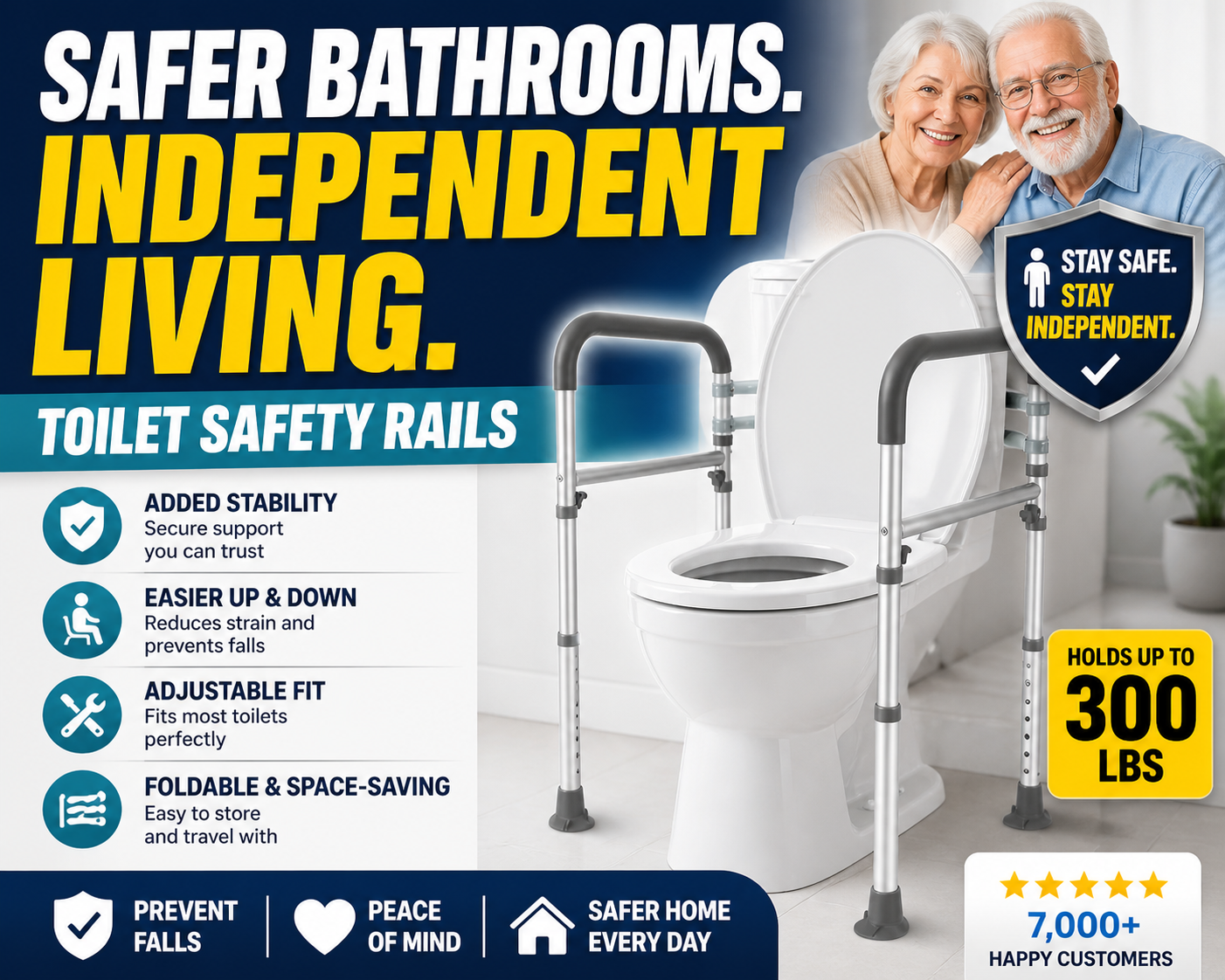
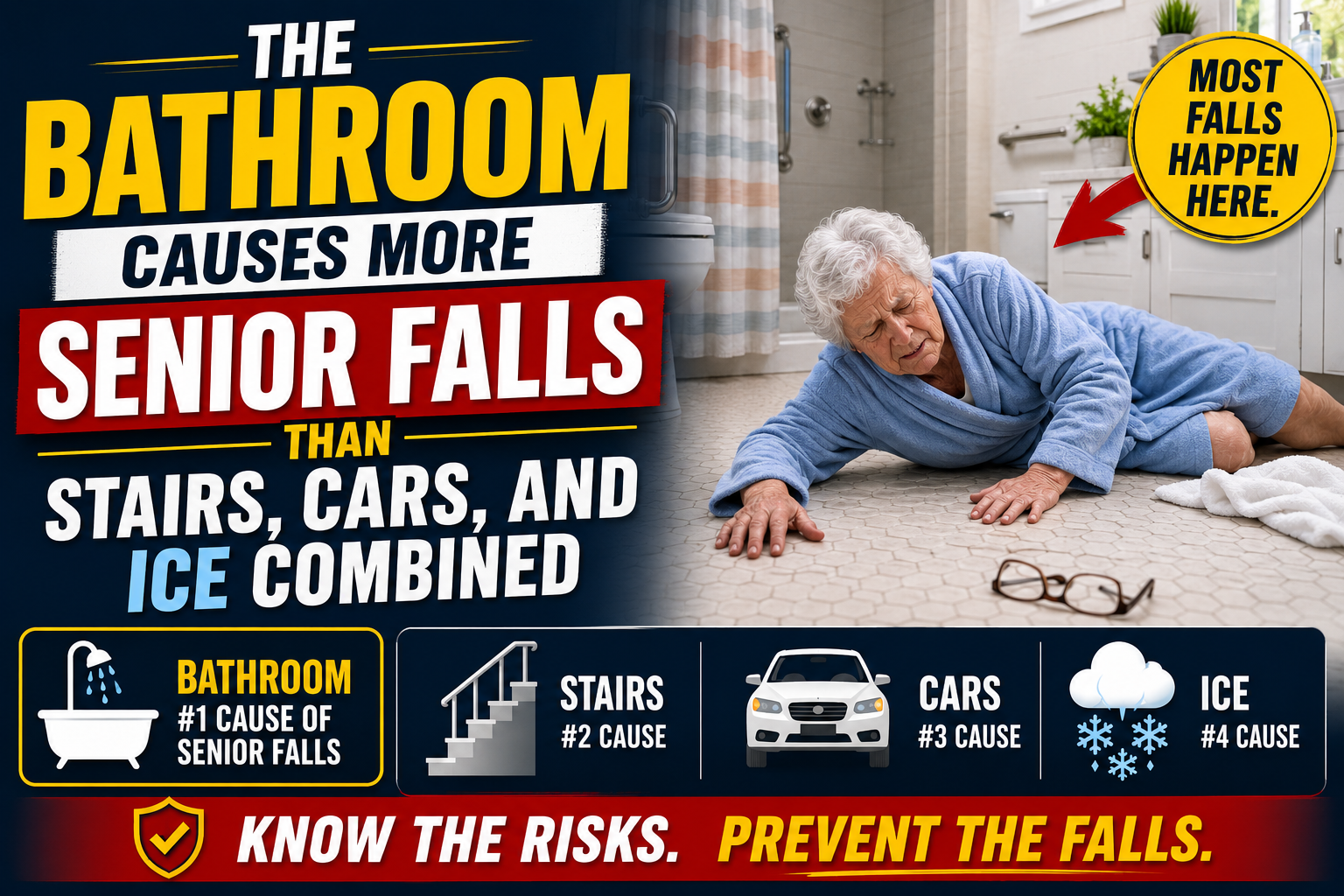
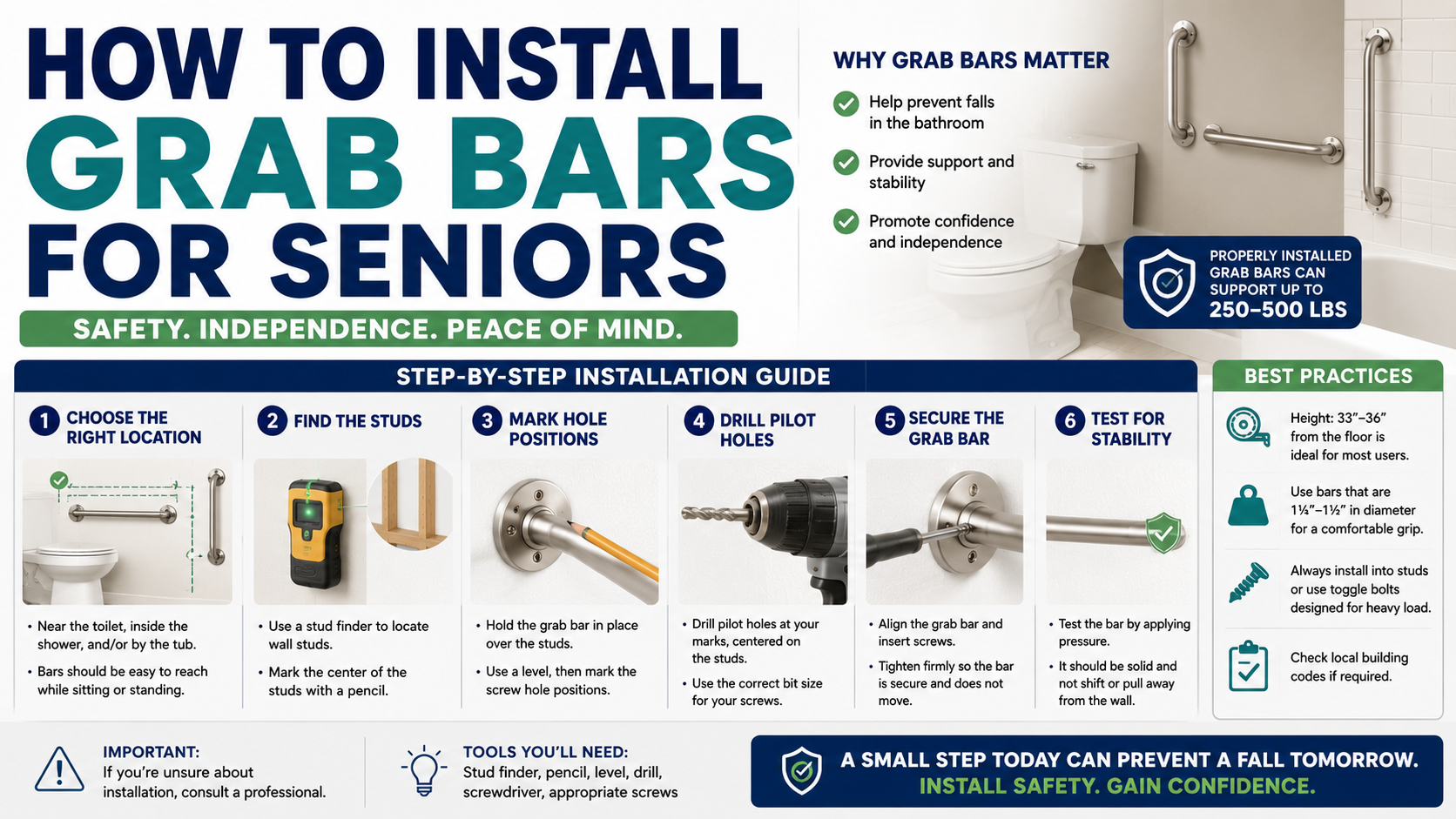
Nothing in fall prevention comes close to the impact-per-dollar of correctly installed grab bars at the shower entry and next to the toilet. The bathroom is the most dangerous room in the home for older adults — and grab bars at these two specific locations address the highest-risk daily transitions directly and permanently. For the toilet transition specifically, Best Toilet Safety Rails for Seniors — What to Look for and Why This One Wins provides a focused review of the support frame features that matter.
The distinction that gets missed: towel bars are not grab bars. They will pull out of the wall under body weight. Proper grab bars are load-rated for 250+ pounds and mounted into studs. That difference matters when someone puts their full weight on it during a transition.
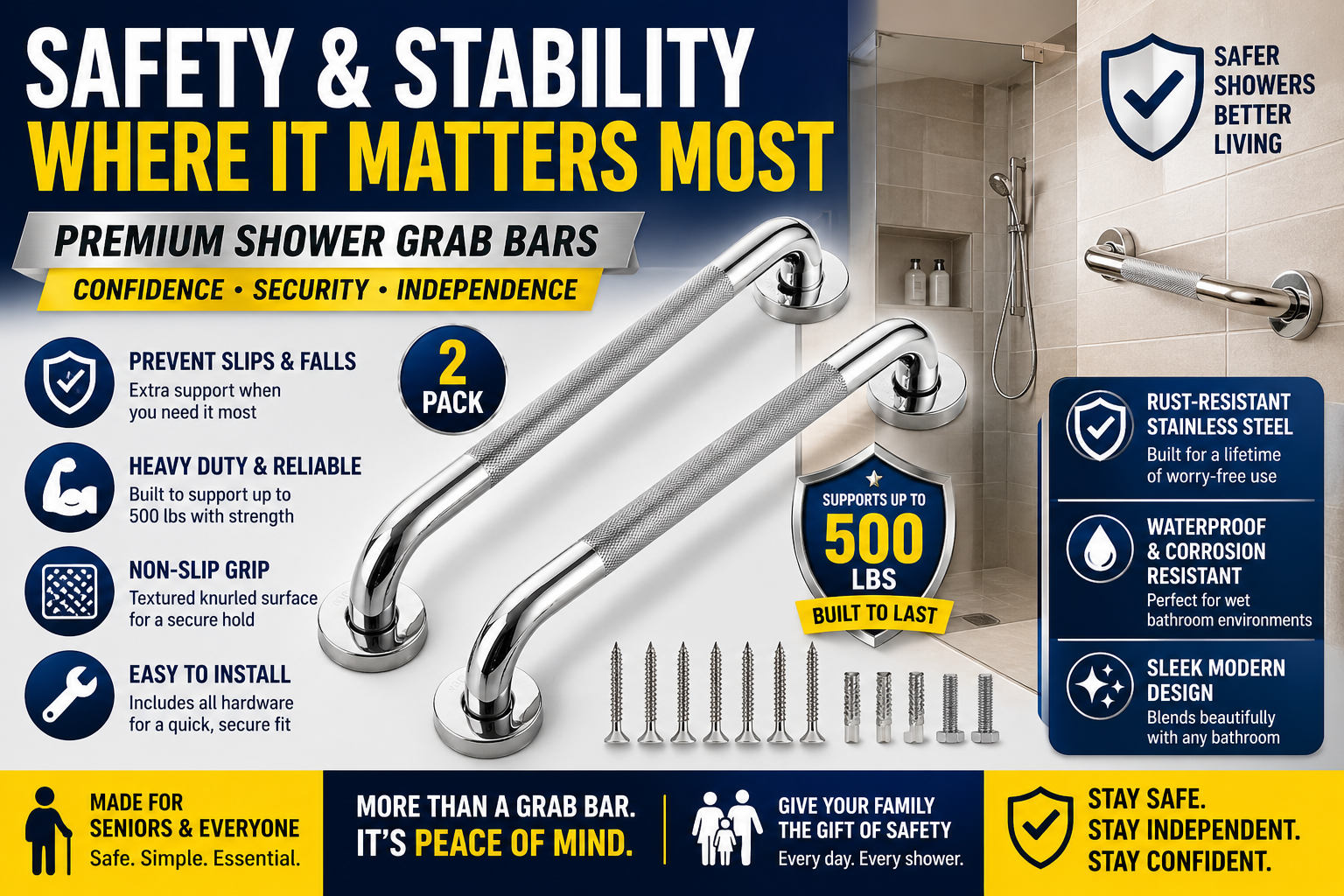
Our review of the best grab bars for seniors covers exactly what to buy. Our grab bar placement guide covers where to put them with precise measurements.
#2 — Medical Alert Device With Automatic Fall Detection
Impact: Maximum. Cost: Medium device + low monthly. Daily use: Continuous.
This one doesn’t prevent falls — it determines what happens after one. But for anyone living alone or spending meaningful time without others nearby, what happens after a fall is the most important question in their safety picture. Automatic fall detection that alerts family without requiring the person to press anything provides the protection that matters most in the worst-case scenarios.
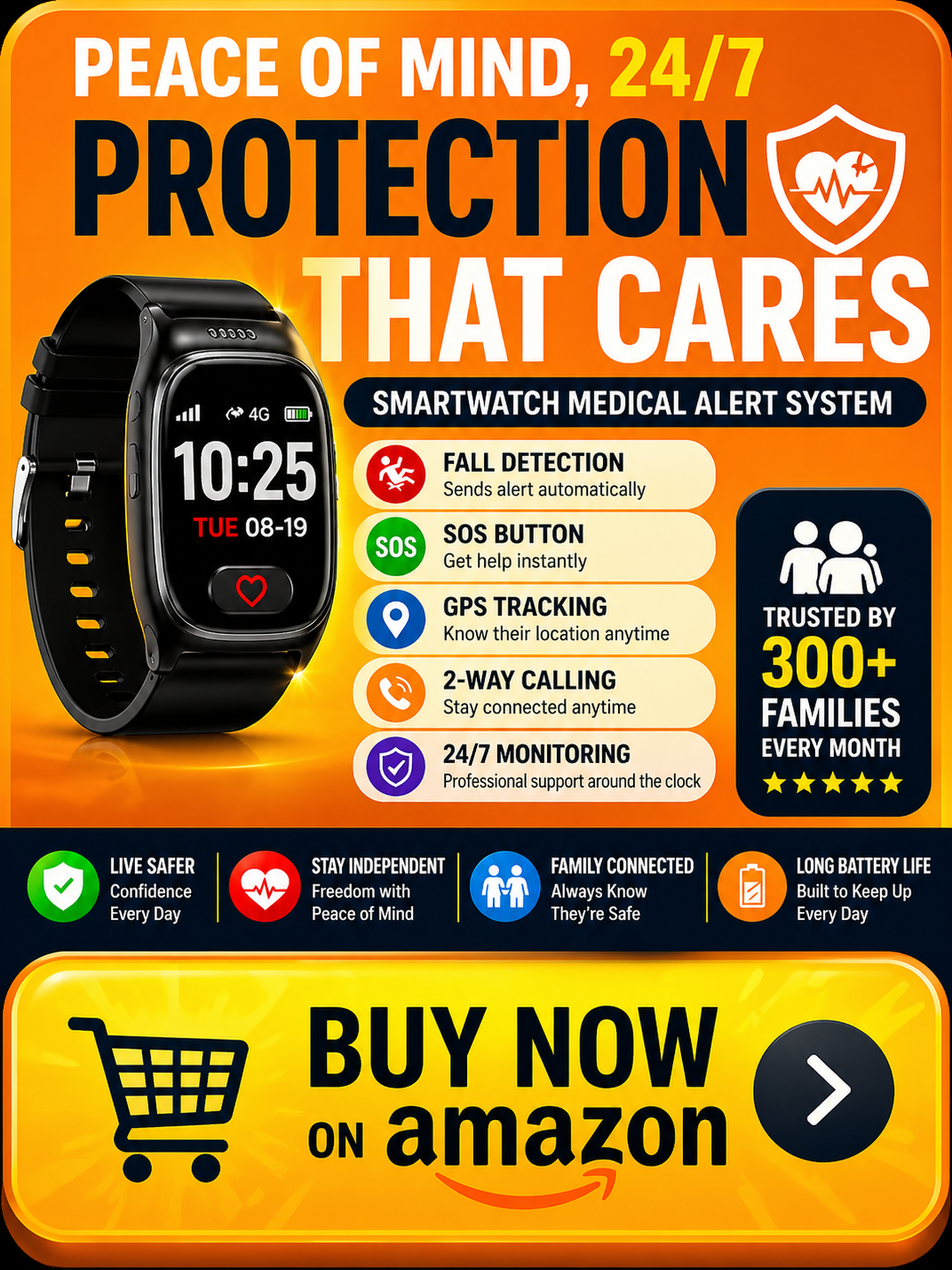
The SecuLife Smartwatch is the option we recommend — worn on the wrist, automatic fall detection, real-time GPS, two-way calling. A device that gets worn consistently because it looks like a regular watch rather than a medical device.
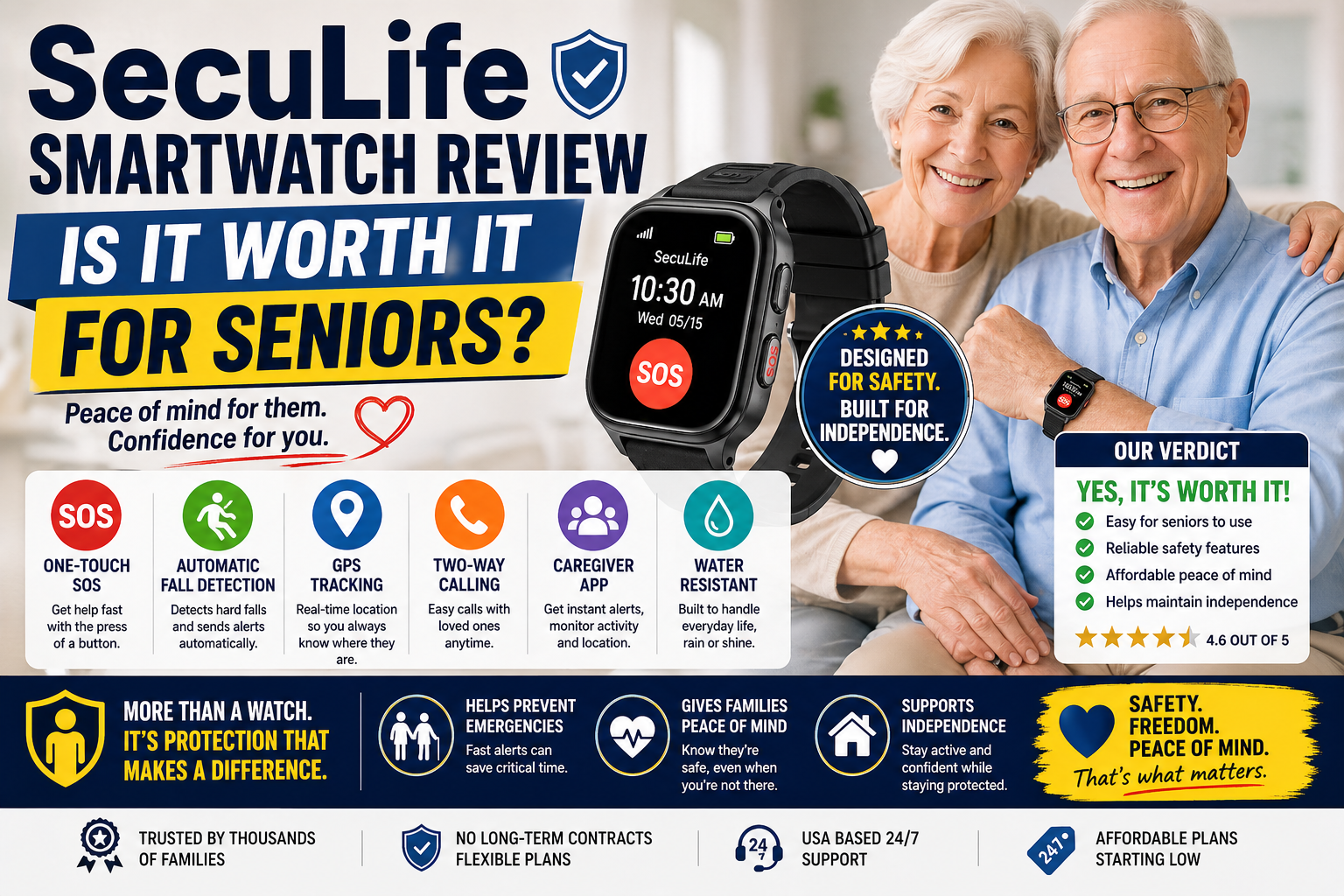
Our complete review at SecuLife Smartwatch Review covers everything worth knowing. Our guide on signs it’s time for a medical alert system covers when to start.
→ Get the SecuLife Smartwatch on Amazon
#3 — Toilet Safety Rails
Impact: Very High. Cost: Low. Daily use: Multiple times every day.
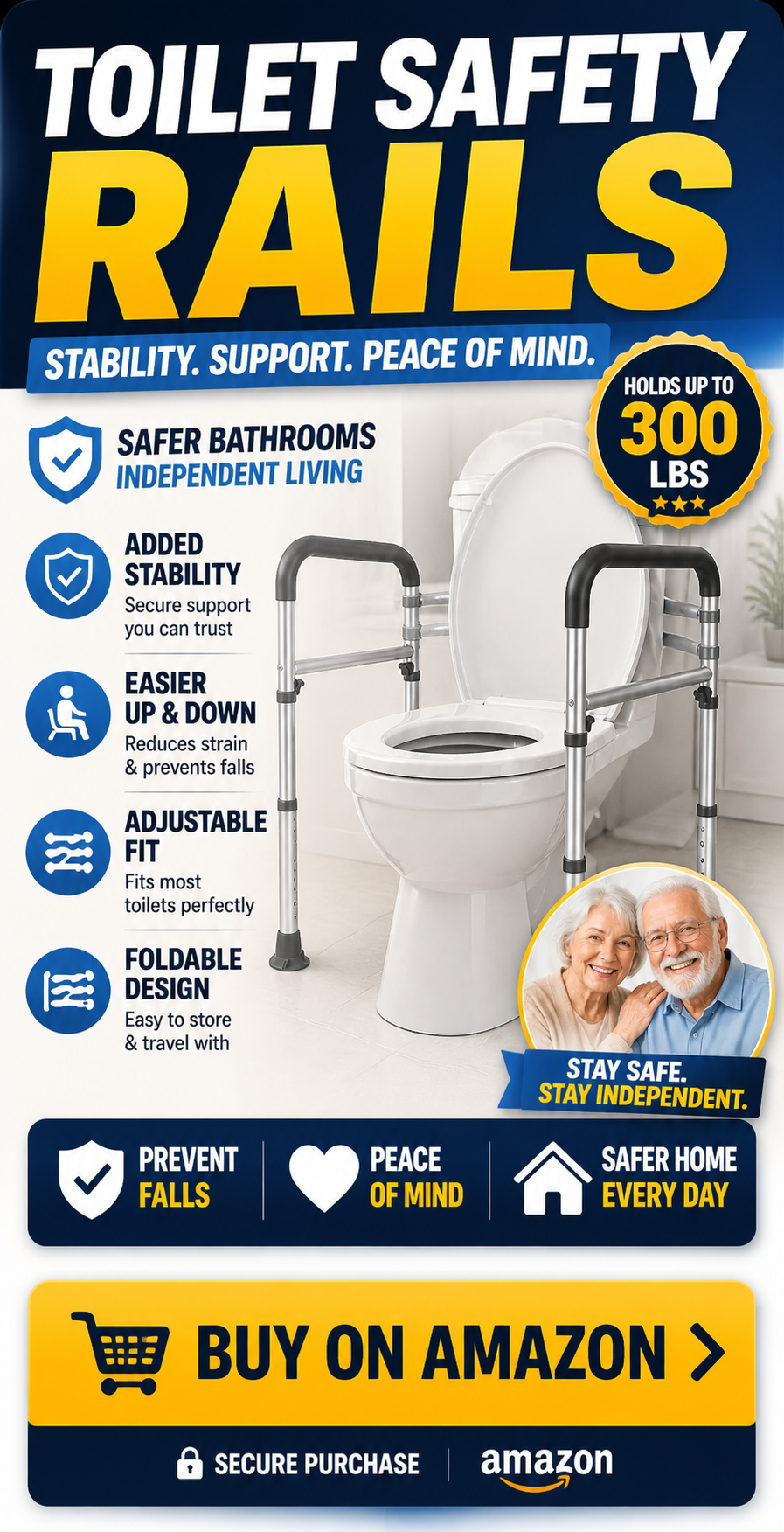
Getting on and off the toilet happens multiple times every single day — and the sit-to-stand movement from a low surface is one of the most physically demanding transitions older adults make regularly. Toilet safety rails with armrests transform this from a fall risk into a supported, managed movement. Tool-free installation. Fits any toilet. Immediate daily impact from day one.
The frequency alone makes this Tier 1 — this isn’t a once-a-week risk. It’s multiple times every day without exception.
→ Get the Toilet Safety Rails on Amazon
#4 — Non-Slip Bath Mat
Impact: Very High. Cost: Very Low. Daily use: Every shower.
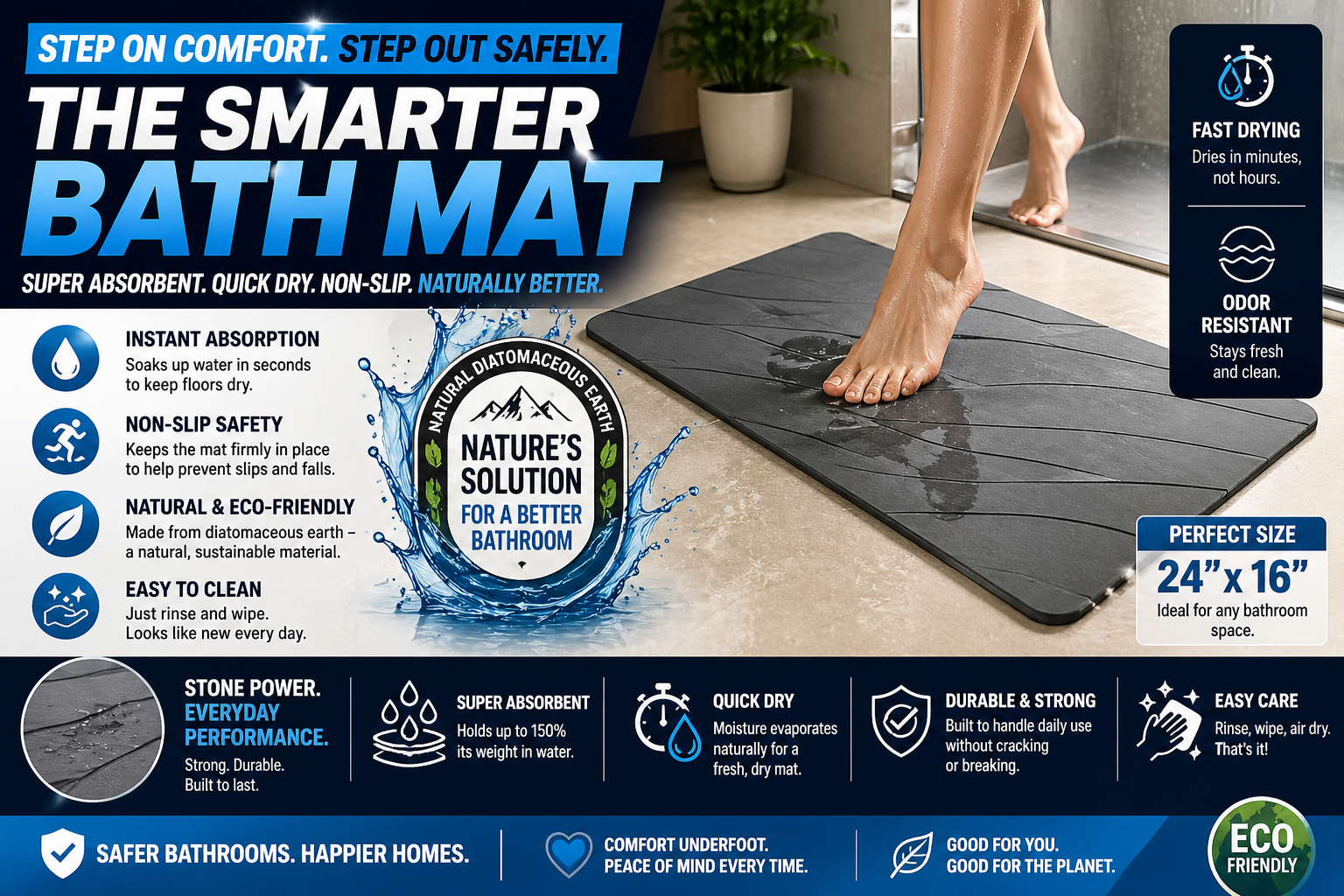
Stepping out of the shower onto a bath mat that shifts under the first wet footstep is one of the most common fall mechanisms in the bathroom — and one of the most preventable. A diatomaceous earth stone bath mat absorbs water instantly, never shifts under load, and maintains its grip performance indefinitely. Standard fabric bath mats fail all three of these criteria over time.
The impact-to-cost ratio here is exceptional. One purchase that provides maximum protection every single day at minimal cost.
Our review of the best non-slip bath mat for seniors covers why most mats fail and what to use instead.
→ Get the Diatomaceous Earth Bath Mat on Amazon
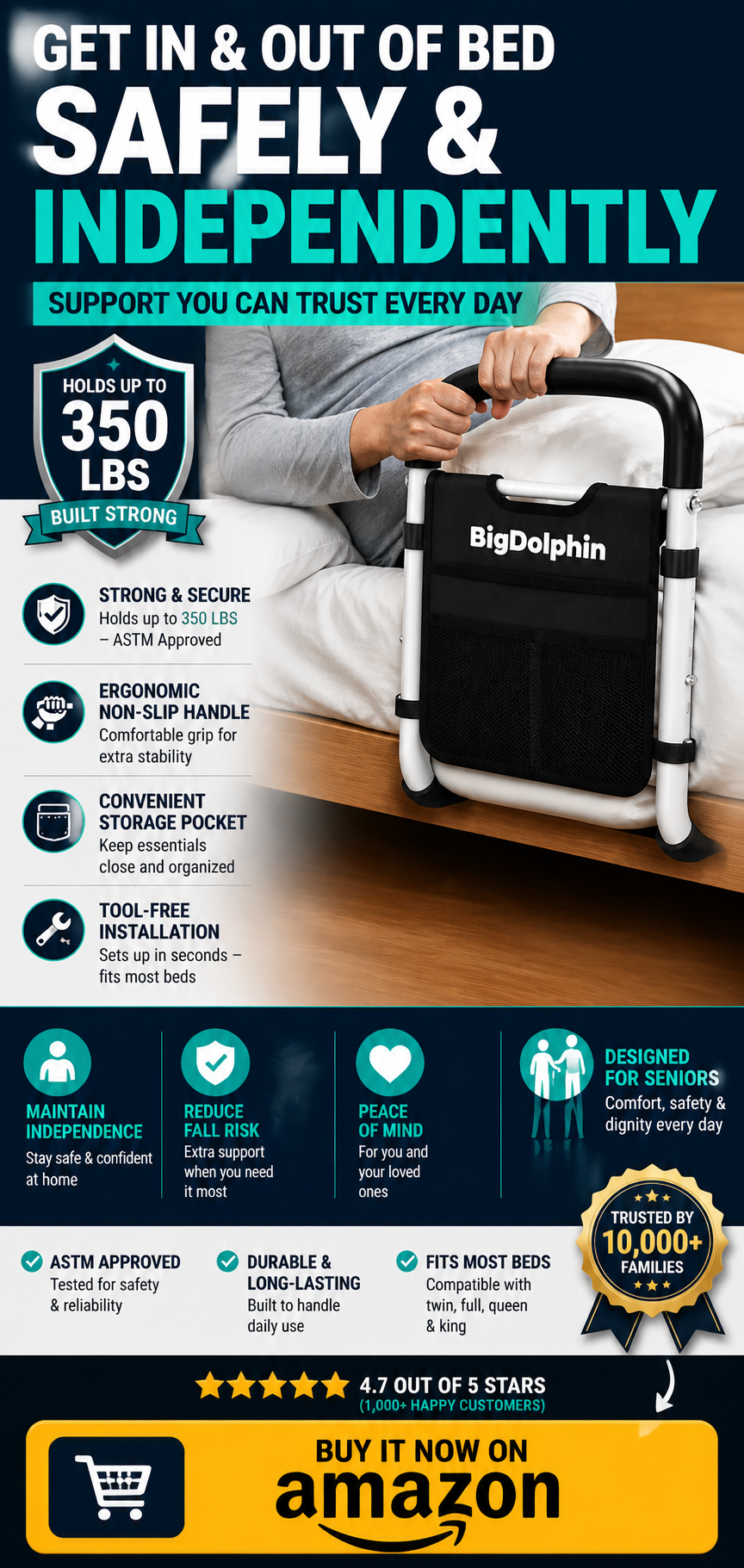
#5 — Bed Rail
Impact: Very High. Cost: Low. Daily use: Every morning and every nighttime bathroom trip.
Getting out of bed is high-risk at the two most vulnerable times of day — first thing in the morning when blood pressure hasn’t normalized and alertness is low, and during nighttime bathroom trips in the dark. A bed rail gives a firm handle to push against during the sit-to-stand transition. Mattresses compress under body weight — there’s nothing solid to push from without one.
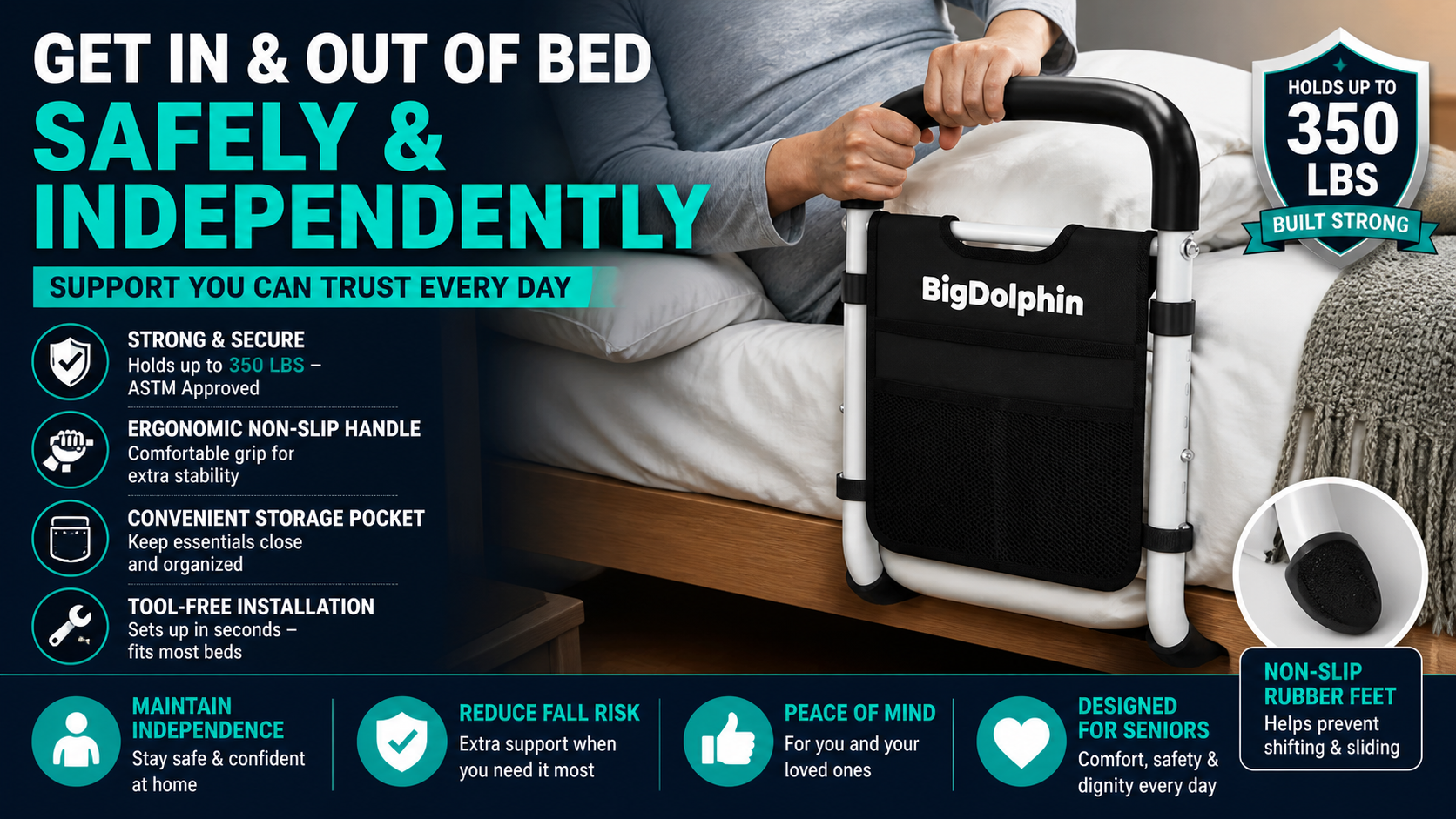
Our review of the best bed rail for seniors covers the ASTM certified option with storage pocket we recommend.
#6 — Auto-On Night Lights
Impact: High. Cost: Very Low. Daily use: Every nighttime bathroom trip.
Nighttime bathroom trips are disproportionately dangerous — darkness, partial sleep, urgency, and reduced alertness combine into a high-risk scenario that repeats multiple times per week. The path from bed to bathroom needs to be lit automatically — not after fumbling for a switch in the dark. Three plug-in auto-on units covering bedroom, hallway, and bathroom for under $50 is one of the best safety investments available at any price point.
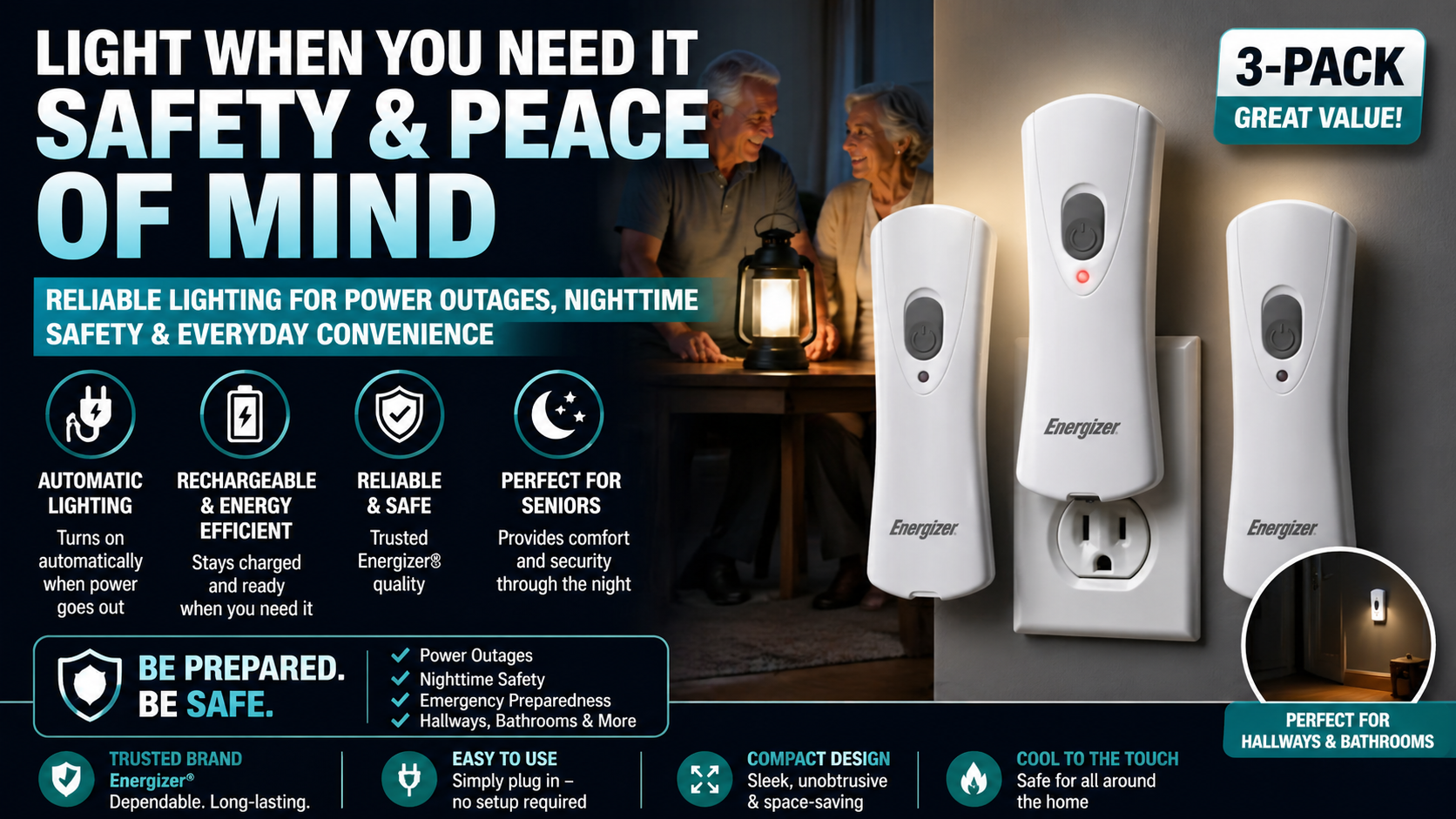
Our review of the best auto-on rechargeable lights covers the Energizer 3-pack that also serves as power outage protection simultaneously.
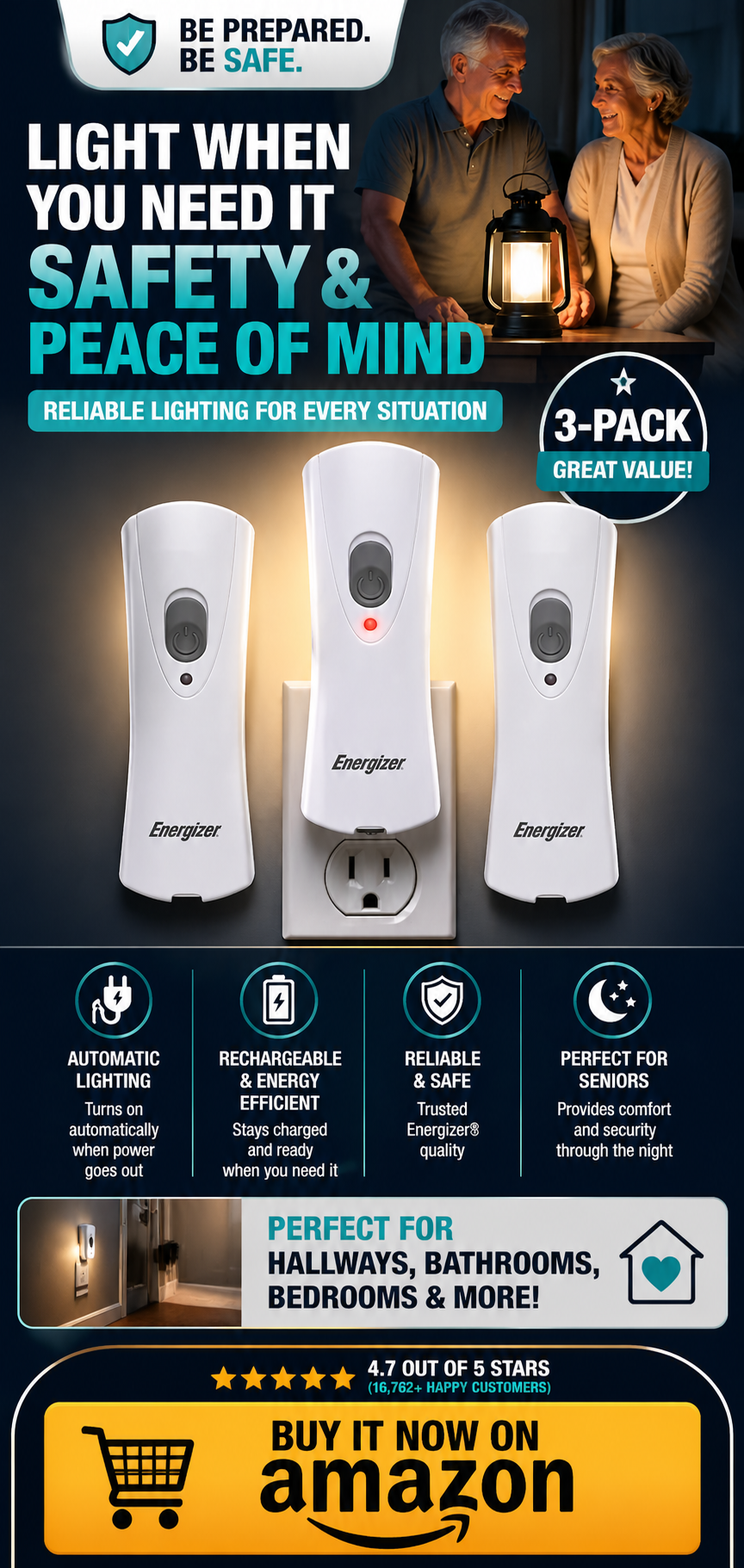
→ Get the Auto-On Night Lights 3-Pack on Amazon
Tier 2 — High Impact, Get These Next
These products address significant fall risks with meaningful daily impact. All worth getting — after Tier 1 is covered.
#7 — Shower Chair
Impact: High. Cost: Low. Daily use: Every shower.
Standing in a wet shower is a daily fall risk. A shower chair eliminates it entirely by allowing showering from a seated position. The resistance most people feel toward shower chairs is psychological — once tried most find seated showering more comfortable and less physically demanding than standing. The framing that works: this makes showering less tiring, not just safer.
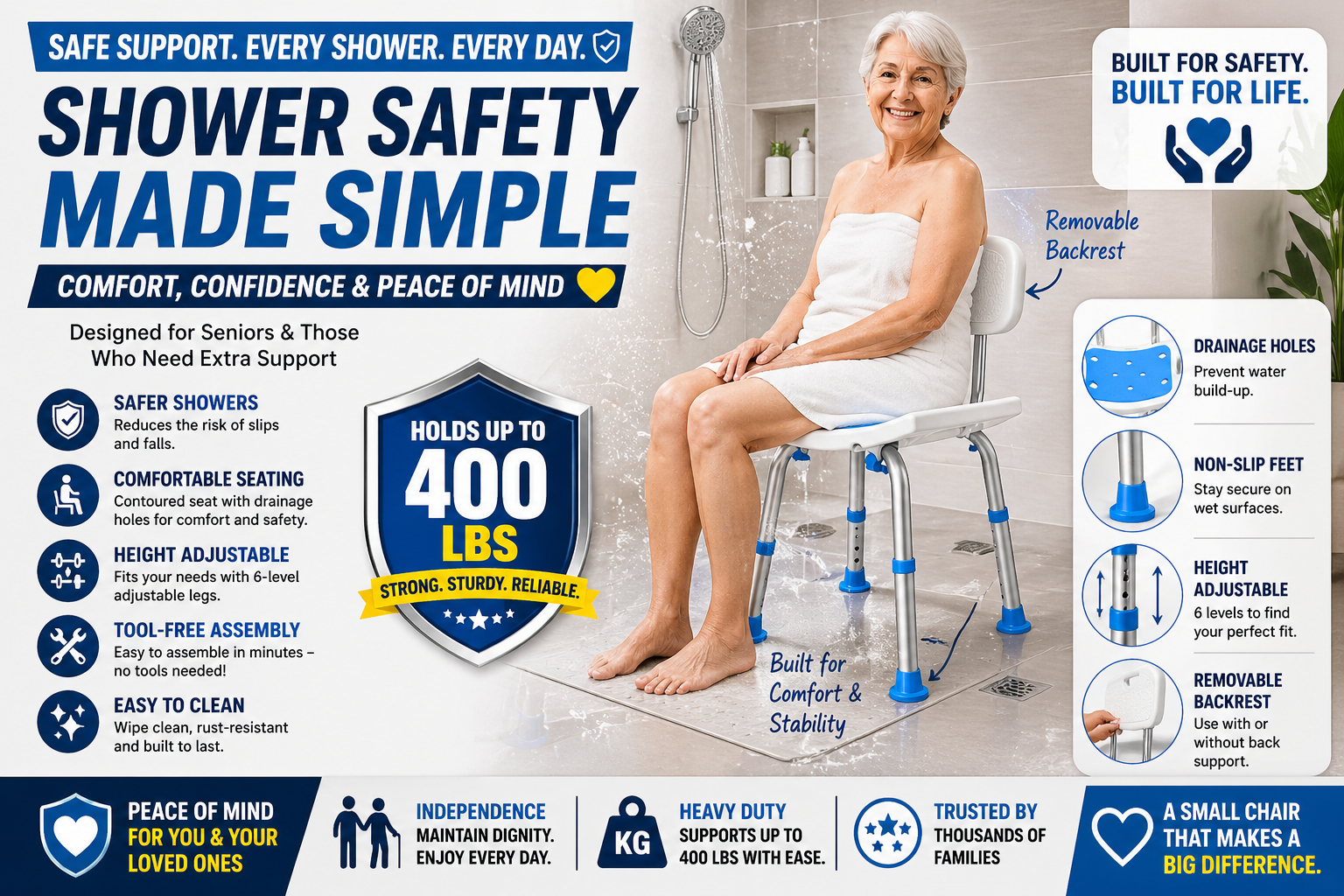
Our review of the best shower chair for seniors covers the specific product we recommend.
→ Get the Shower Chair on Amazon
#8 — Walking Cane
Impact: High for the right person. Cost: Low. Daily use: Continuous when outside or on uneven surfaces.
A walking cane used proactively — before a fall happens — is one of the highest-impact mobility interventions available for someone who has noticed balance changes. A third point of ground contact meaningfully improves stability particularly on uneven surfaces, wet pavement, and any terrain that challenges balance.
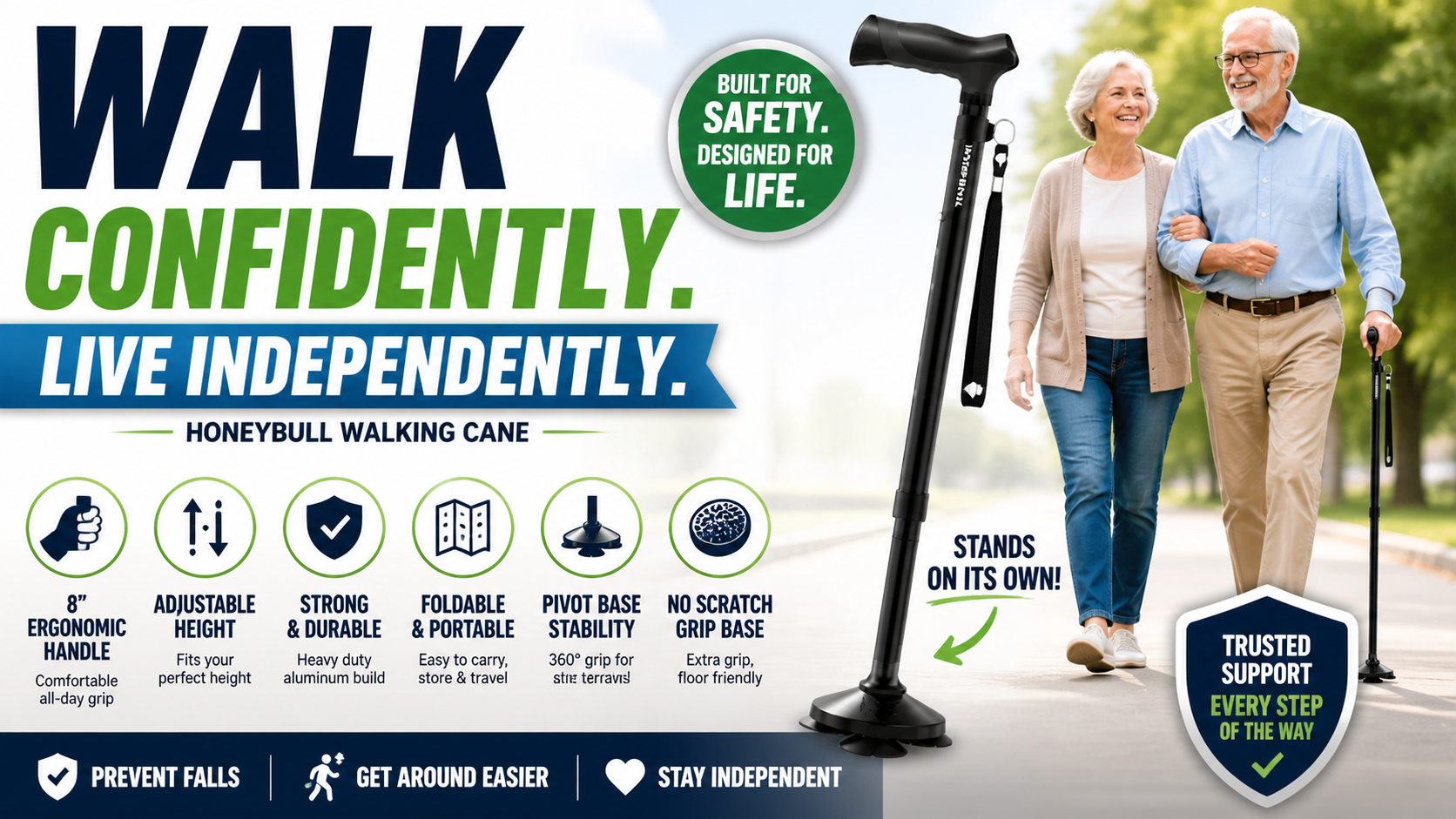
The foldable format is essential — a cane that goes everywhere is one that’s there when needed. Our review of the best walking cane for seniors covers the free-standing foldable option we recommend.
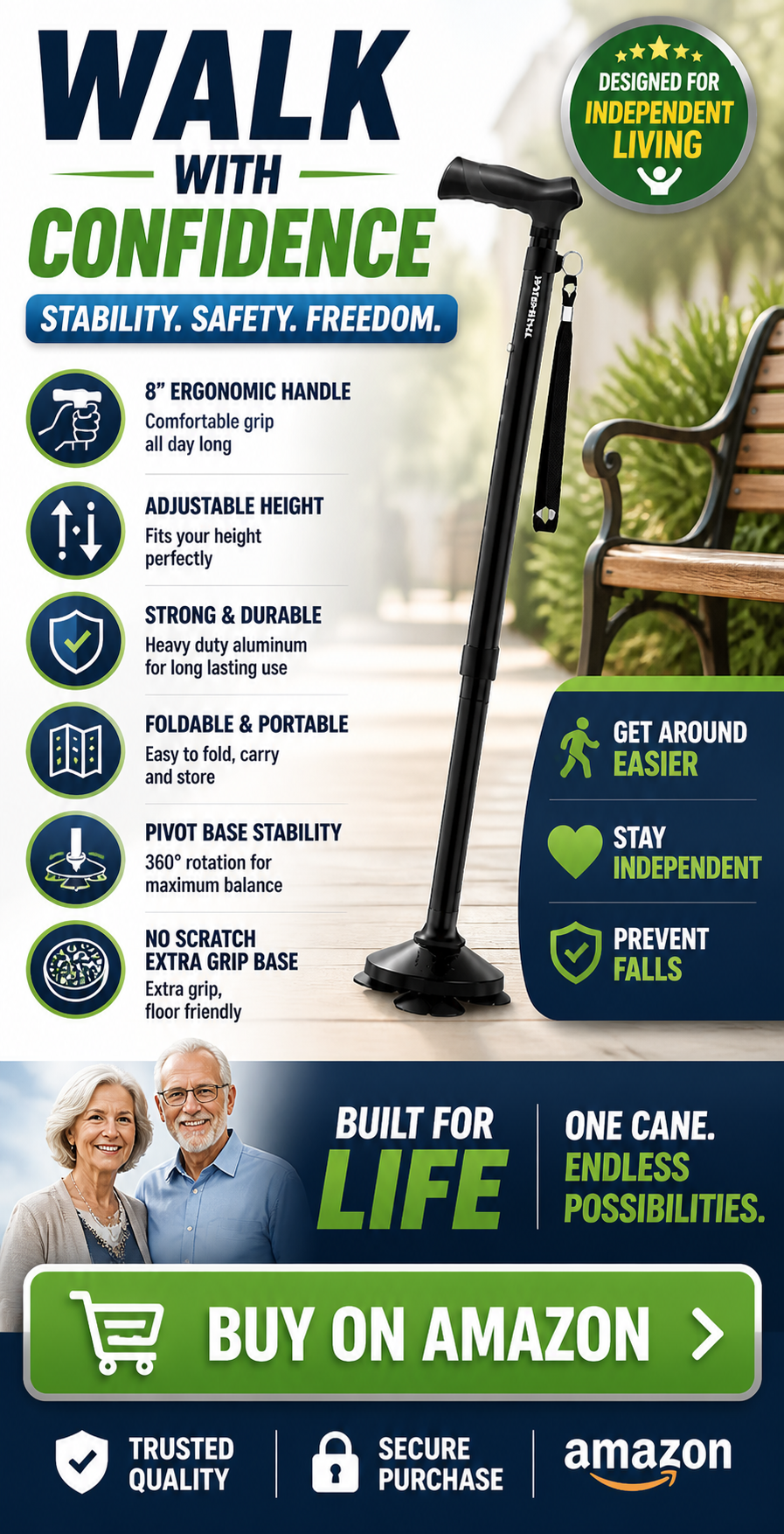
→ Get the HONEYBULL Walking Cane on Amazon
#9 — Rollator Walker
Impact: High for the right person. Cost: Medium. Daily use: Any mobility outside the home.
For someone whose balance and endurance needs have progressed beyond what a cane addresses — bilateral support needed, rest breaks during walks necessary — a rollator walker with a seat extends independent mobility significantly. The seated rest option means longer outings without the risk of fatigue-driven falls.
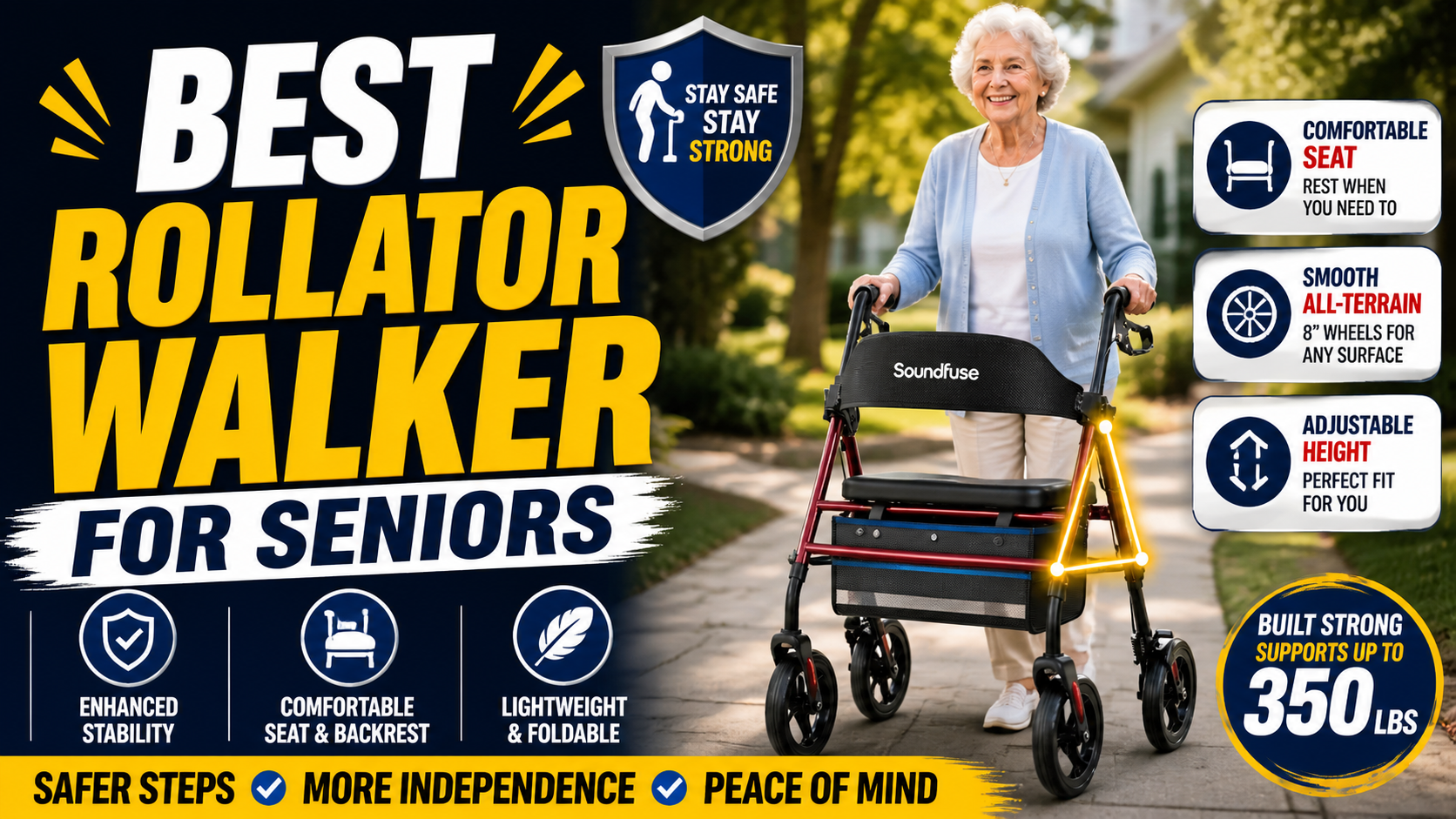
Our review of the best rollator walker for seniors covers the all-terrain option with 8-inch wheels we recommend.
→ Get the SOUNDFUSE Rollator Walker on Amazon
#10 — Automatic Pill Dispenser
Impact: High — indirectly. Cost: Medium. Daily use: Every dose time.
Medication errors directly increase fall risk — blood pressure medications taken inconsistently cause more variable orthostatic hypotension, sleep medications double-dosed cause over-sedation. An automatic pill dispenser that ensures the right medications at the right times reduces the medication-related contribution to fall risk that most families don’t think about until something goes wrong.
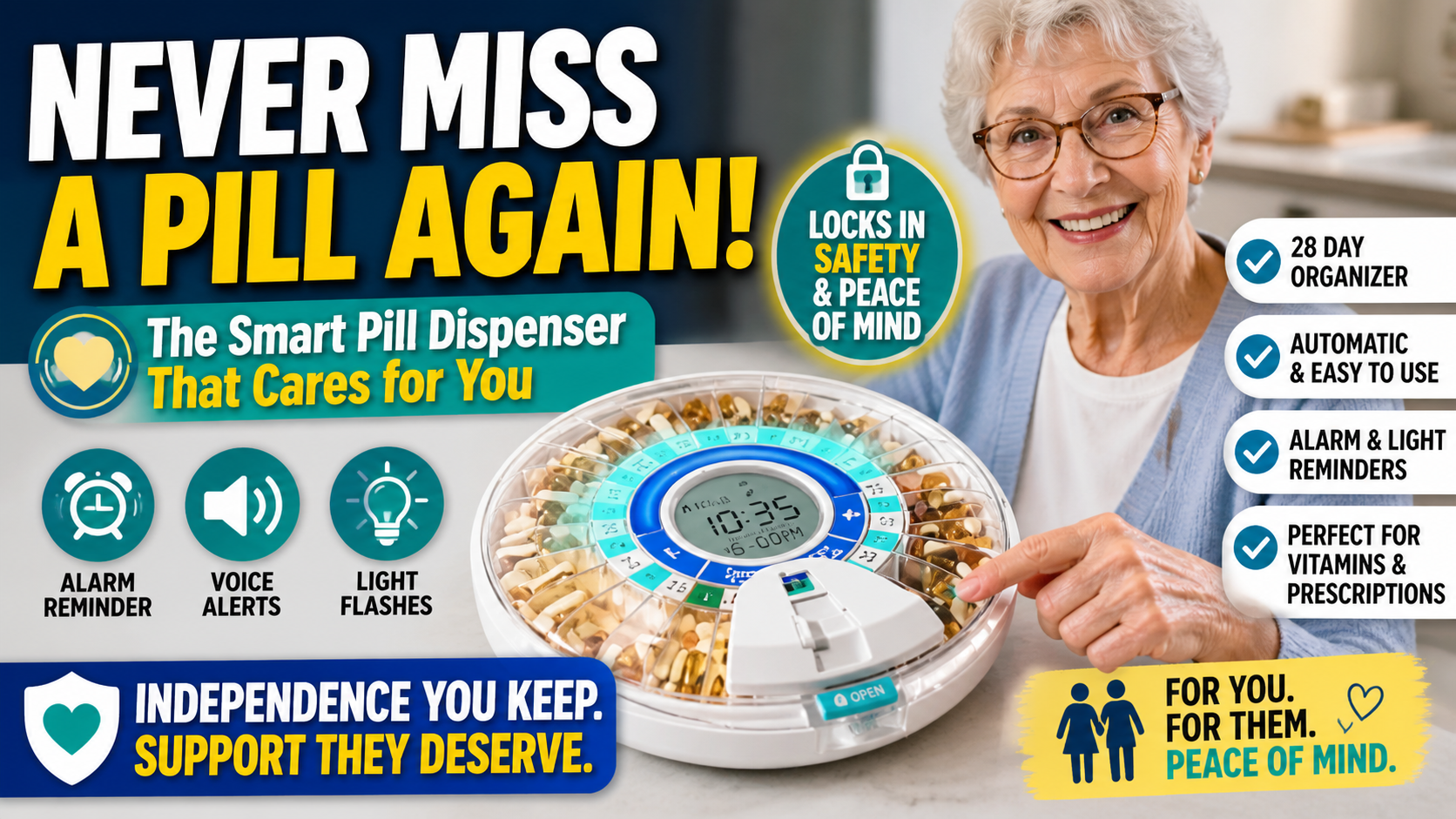
Our review of the best automatic pill dispenser for seniors covers the 28-day smart lock option we recommend.
→ Get the Windtrace Pill Dispenser on Amazon
#11 — Blood Pressure Monitor
Impact: High — indirectly. Cost: Low. Daily use: Once or twice daily.
Orthostatic hypotension — blood pressure that drops on standing — is one of the most common medication-related fall risk factors and one that home monitoring catches directly. Readings taken at home at consistent times reveal patterns that clinic readings taken infrequently can’t show. The data from home monitoring enables medication timing adjustments that meaningfully reduce this specific fall risk factor.
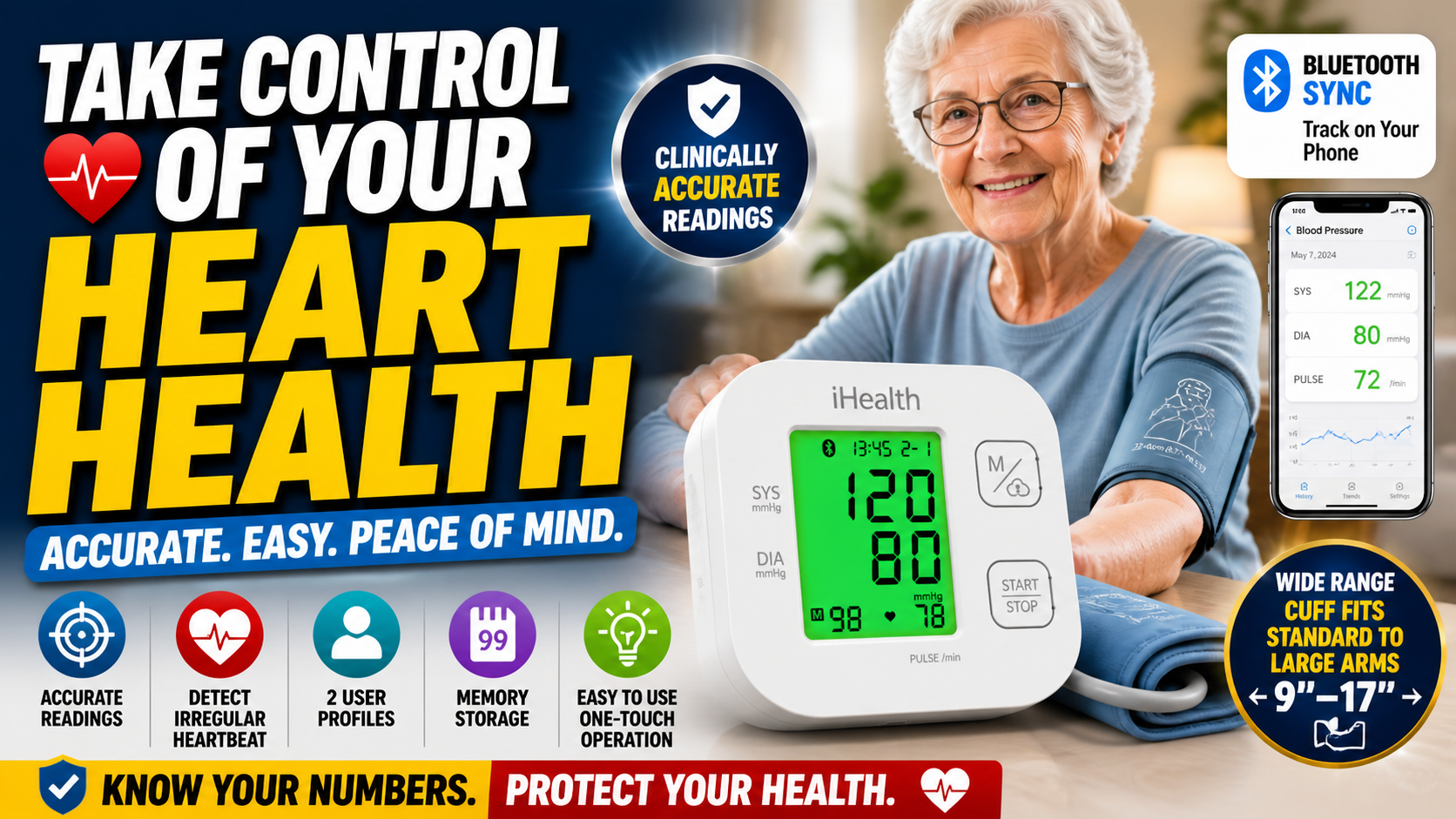
Our review of the best blood pressure monitor for seniors covers the Bluetooth-connected option with automatic app logging we recommend.
→ Get the iHealth Blood Pressure Monitor on Amazon
Tier 3 — Meaningful for Specific Situations
These products provide real value — but for more specific situations rather than for every older adult universally.
Power Lift Recliner
Best for: Anyone who struggles with getting up from a standard chair or recliner.
The sit-to-stand transition from a recliner happens dozens of times per week and becomes increasingly risky as leg strength declines. A power lift recliner uses a motorized mechanism to bring the person to a near-standing position — removing the muscular demand of the transition entirely. For the right person this is Tier 1 impact. For someone with no difficulty rising from chairs it’s not needed.
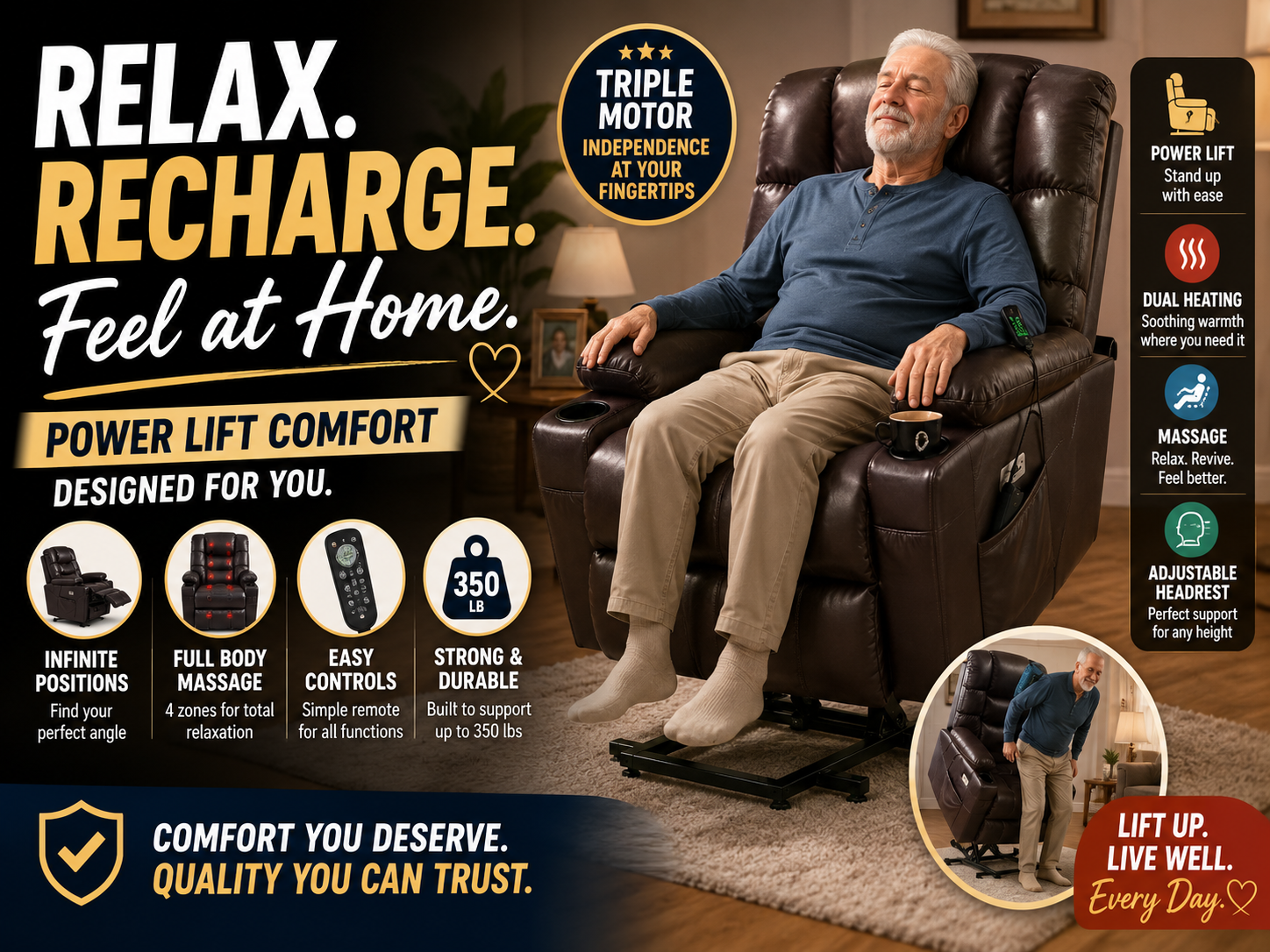
Our review of the best power lift recliner for seniors covers the MCombo triple motor option with heat and massage.
→ Get the MCombo Power Lift Recliner on Amazon
Adjustable Bed Base
Best for: Anyone with acid reflux, circulation issues, back pain, or difficulty with the morning getting-up transition.
An adjustable bed base that elevates the head assists the morning getting-up transition by reducing the distance from lying to sitting — meaningful for anyone with reduced upper body strength or back pain. The therapeutic positioning benefits — acid reflux relief, circulation improvement, back pain reduction — improve sleep quality which directly affects daytime balance and alertness.
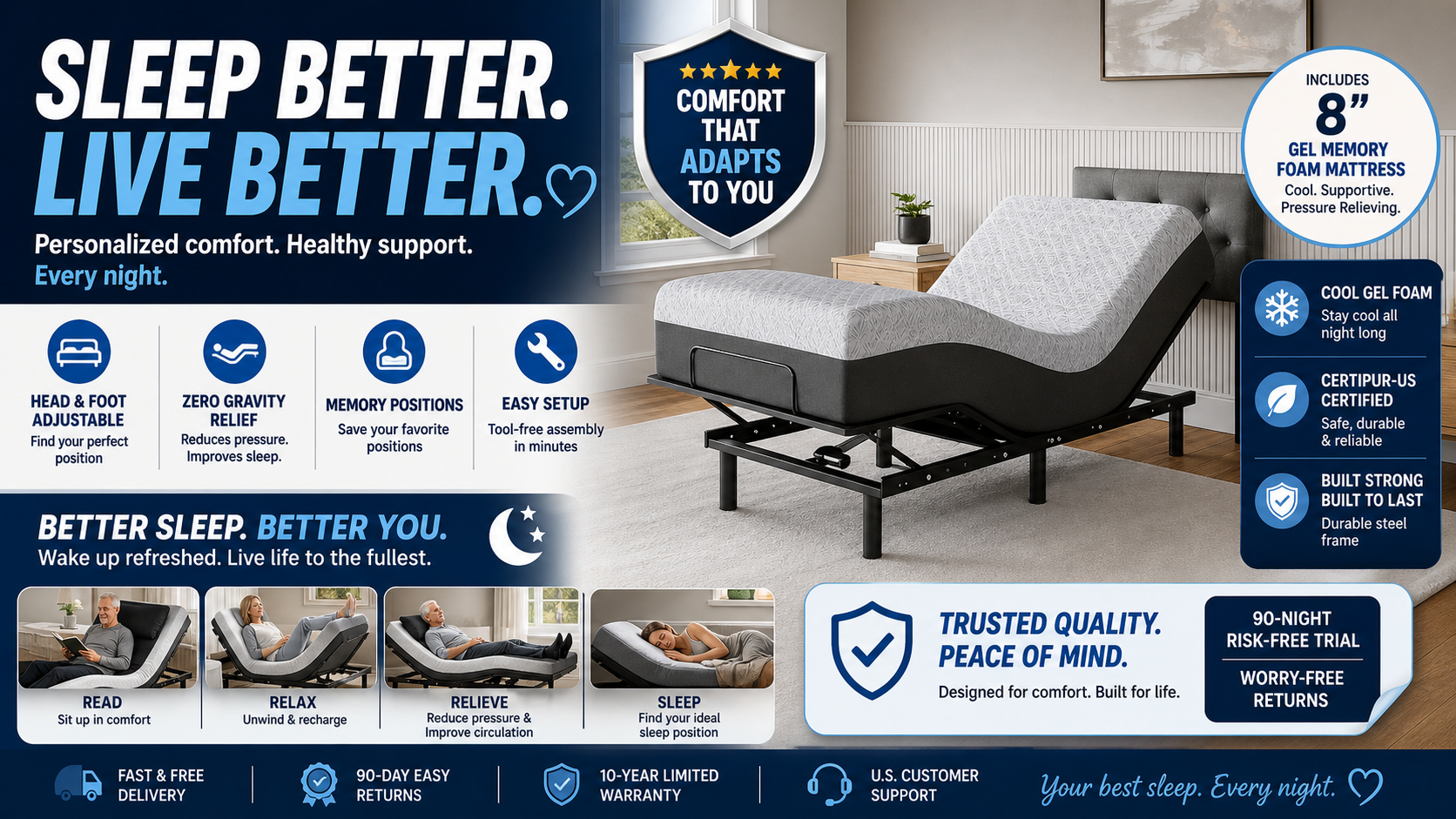
Our review of the best adjustable bed for seniors covers the Celestial Aurora base and mattress package.
→ Get the Celestial Aurora Adjustable Bed on Amazon
Video Doorbell
Best for: Anyone who makes repeated trips to the door or is at risk from unwanted visitors.
Every unnecessary trip to the door to see who’s there is a fall opportunity — particularly for someone who moves quickly in response to a doorbell. A video doorbell eliminates the trip entirely — see who’s there from any room without getting up. The safety benefit is real though less direct than the bathroom modifications above.
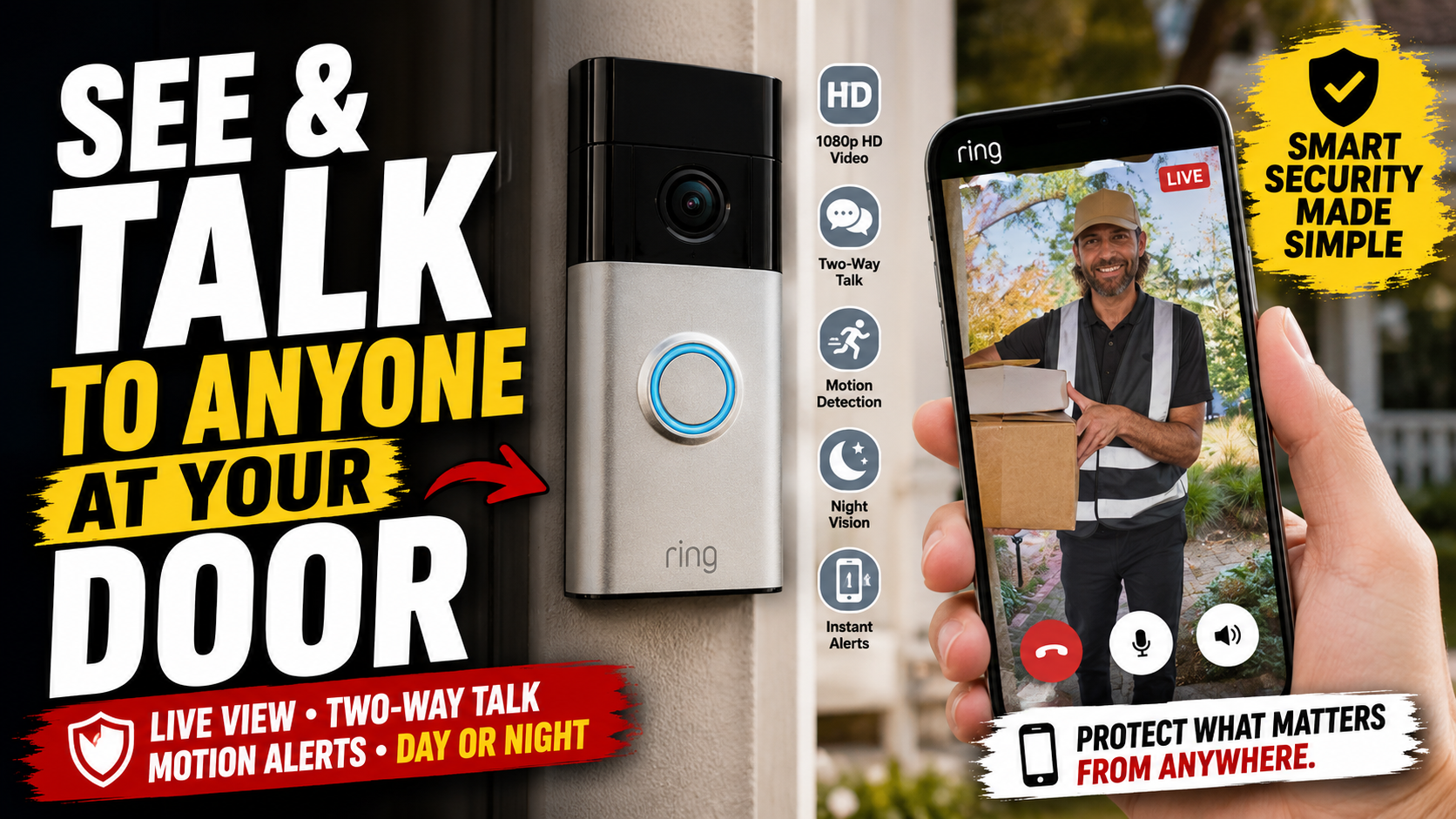
Our review of the Ring Battery Doorbell covers the setup and features worth knowing.
→ Get the Ring Battery Doorbell on Amazon
Hearing Aids or Hearing Amplifier
Best for: Anyone with untreated hearing loss.
Untreated hearing loss is associated with significantly increased fall risk — partly through increased cognitive load that competes with balance processing. Addressing hearing loss reduces this cognitive load and improves spatial awareness. Not a fall prevention product in the traditional sense but one with genuine evidence for fall risk reduction.
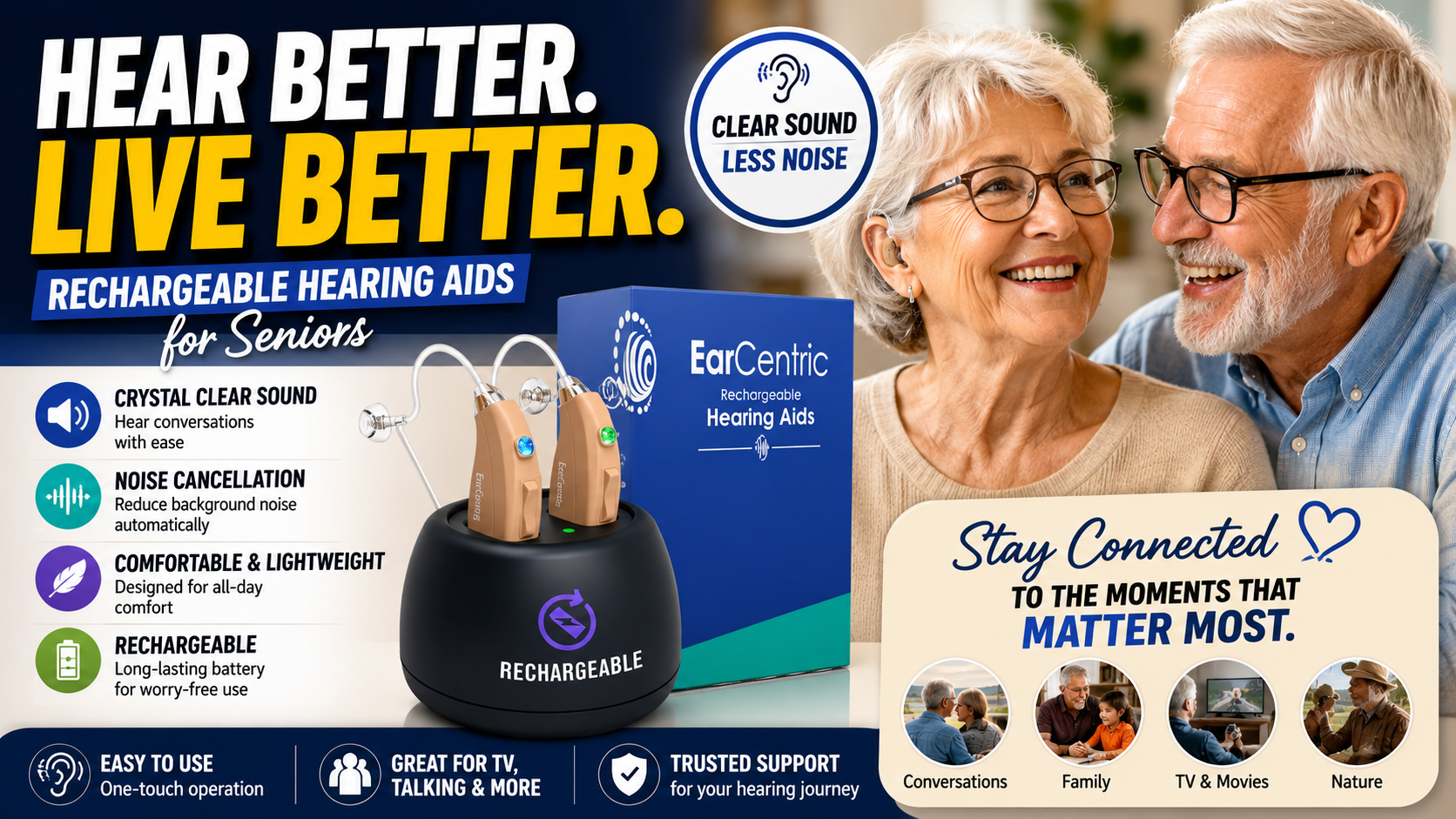
Our review of the best rechargeable hearing aids covers OTC options. Our review of the best hearing amplifier covers the more affordable PSAP option.
→ Get the EarCentric Hearing Aids on Amazon
Portable Wheelchair Ramp
Best for: Anyone with significant mobility limitations navigating exterior steps.
Exterior steps are a fall risk that home modifications inside the house don’t address. A portable ramp at the primary entry eliminates the step-over entirely for wheelchair and scooter users and reduces the fall risk at the most commonly used exterior transition.
Our review of the best portable wheelchair ramp covers the Gardhom 5-foot option with 800 lb capacity.
→ Get the Gardhom Wheelchair Ramp on Amazon
Products That Sound Good But Deliver Less Than Expected
Honest assessment includes products that are widely marketed but provide less real-world fall prevention than their marketing suggests.
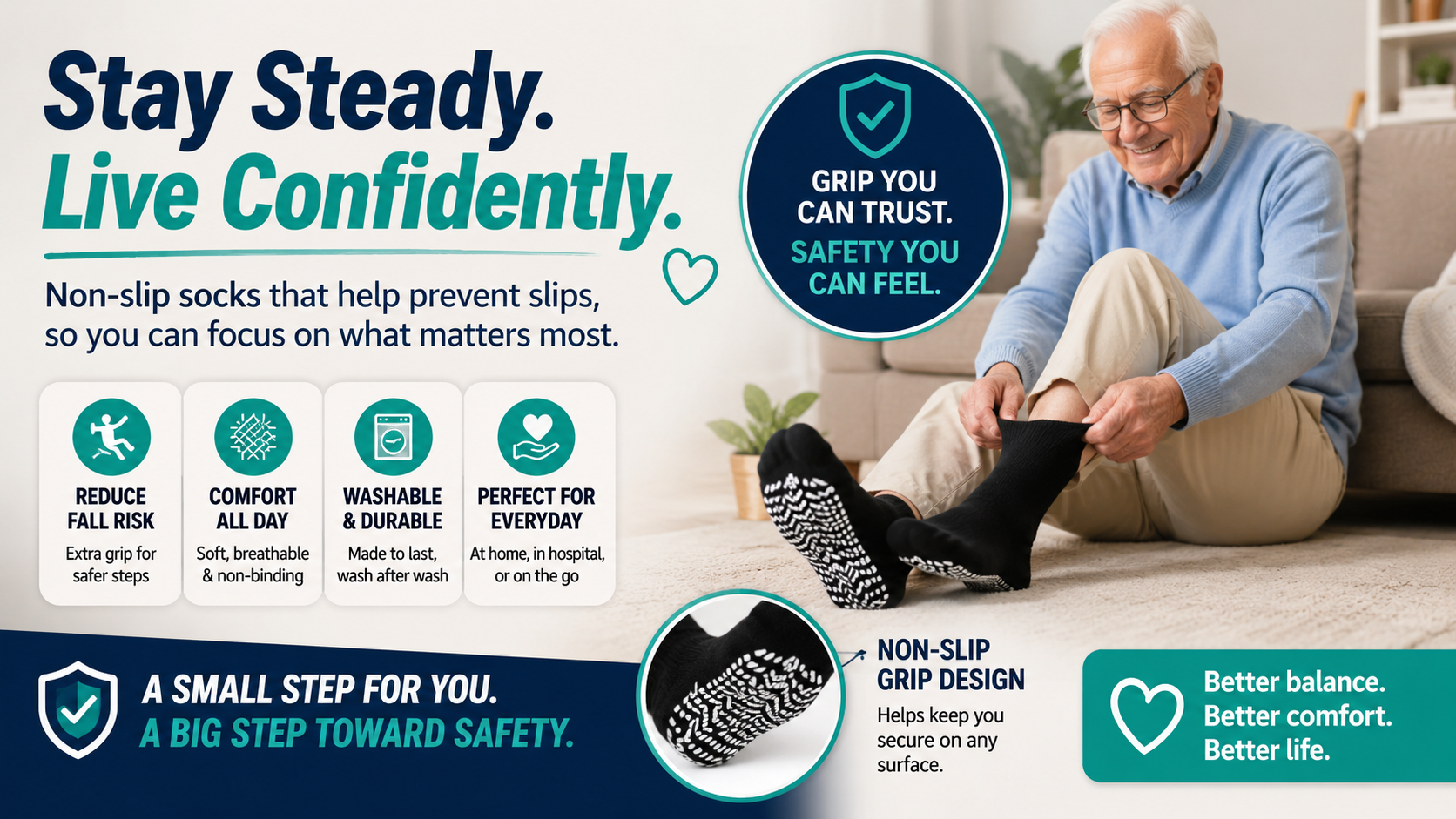
Non-Slip Grip Socks
Hospital-style grip socks with rubberized soles are useful in specific institutional settings where bare feet on smooth floors are common. In a home setting where shoes or slippers are typically worn, the benefit is marginal. If the floor is the problem, address the floor — non-slip rugs, removing slipping hazards — rather than relying on grip socks as the primary intervention.
Hip Protectors
Hip protectors — padded undergarments designed to absorb the impact of a hip fall — have mixed research support. Some studies show meaningful reduction in hip fracture rates. Others show poor wearing compliance that undermines real-world effectiveness. For someone with very high hip fracture risk and the willingness to wear them consistently, they have a role. For most seniors they’re not the highest-value fall prevention investment available.
Laser Canes
Canes with built-in laser lines projected on the floor were primarily developed for Parkinson’s patients with freezing gait. For this specific population they have genuine evidence. For general fall prevention they don’t provide meaningful benefit over a standard well-fitted cane.
Bed Alarms
Pressure-sensitive bed alarms that sound when someone gets out of bed are genuinely useful in care facility settings where staff can respond. In a home setting where the only person to hear the alarm is the person leaving the bed — or a caregiver in another room who may take minutes to respond — the benefit is much more limited than in institutional use.
What No Product Can Replace
Products address environmental and equipment risk factors. Three fall risk factors that products don’t directly address but that deserve equal attention:
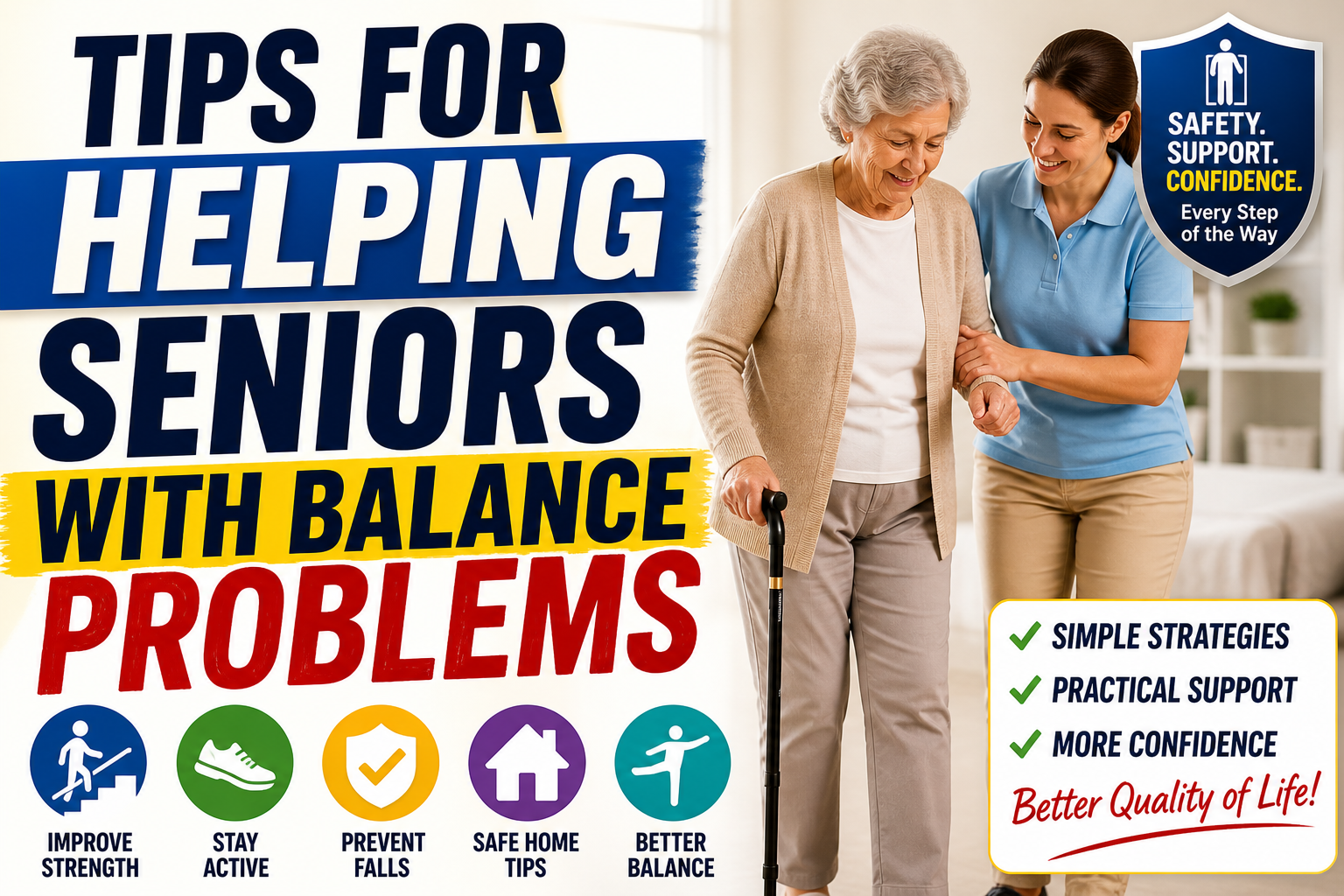
Exercise — particularly balance and strength training. Physical activity specifically targeting balance and leg strength reduces fall rates by 20 to 30 percent in research studies — a larger effect than most individual products. Tai Chi has the strongest evidence and is available through most senior community programs. Our guide on tips for balance problems covers the exercise interventions with the best evidence.
Medication review specifically for fall risk. A physician-requested medication review focused on fall risk side effects — orthostatic hypotension, sedation, vestibular effects — frequently identifies timing adjustments that meaningfully reduce fall risk without changing medications. Ask for this specifically by name at the next appointment.
Vision assessment. Reduced depth perception and contrast sensitivity directly affect the visual contribution to balance. An annual vision check and current prescription are genuine fall prevention interventions. Our guide on elderly safety tips for independent living covers health management alongside equipment in the complete fall prevention picture.
The Complete Fall Prevention Picture
The products in Tier 1 — grab bars, medical alert device, toilet rails, bath mat, bed rail, night lights — together address the highest-frequency, highest-consequence fall risks in the home. Getting all six in place is a meaningful, achievable goal that most families can accomplish in a single weekend plus one Amazon order.
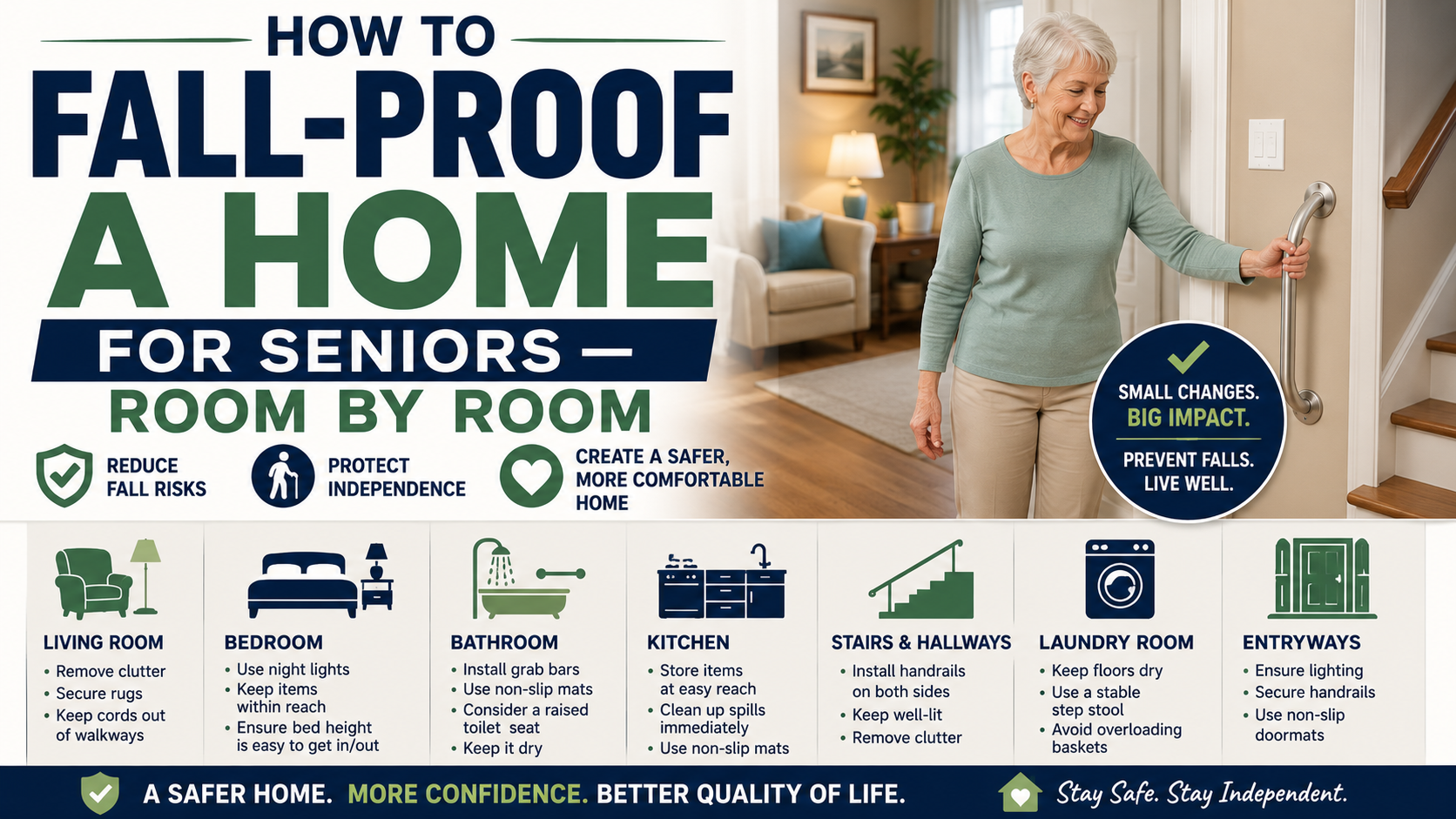
Our complete guide on fall prevention tips at home covers every factor worth addressing — environmental, equipment, physical, and medical. Our guide on home modifications ranked by impact covers the structural modifications that complement the products above. Our home safety checklist gives you the systematic room-by-room assessment tool to work through.
Frequently Asked Questions
What is the most effective fall prevention product for seniors?
Grab bars installed at the shower entry and next to the toilet — these two modifications address the highest-frequency, highest-consequence fall risks in the home at the lowest cost. Nothing else in the fall prevention product category comes close to the impact-per-dollar of correctly installed grab bars in the bathroom. After grab bars, a medical alert device with automatic fall detection provides the safety net that determines what happens when prevention isn’t enough.
Do fall prevention products actually work?
The ones in Tier 1 have strong evidence for real-world fall risk reduction. Grab bars specifically have been shown in research to significantly reduce bathroom falls. Medical alert devices don’t prevent falls but dramatically improve outcomes after falls. The effectiveness of any product depends entirely on correct installation, consistent use, and addressing the right risk factors for the individual — a product that addresses a risk that isn’t actually present for the person provides no benefit regardless of its general effectiveness.
How much should I budget for senior fall prevention products?
The Tier 1 products — grab bars, toilet rails, bath mat, bed rail, night lights — total approximately $200 to $400 in product costs plus $100 to $150 for grab bar installation if hiring a handyman. Adding a shower chair brings the total to $250 to $500. The medical alert device adds $100 to $200 upfront plus $20 to $25 per month for service. For a total investment of under $600 upfront plus a modest monthly fee every major fall risk in the home can be addressed. Compare that to a single emergency room visit from a fall — typically $1,500 to $3,000 before any treatment costs.
Are fall prevention products covered by Medicare?
Original Medicare doesn’t cover most fall prevention products — grab bars, bath mats, bed rails, and night lights are not classified as durable medical equipment. Walking canes, rollator walkers, and power lift recliners may qualify for Medicare Part B durable medical equipment coverage with a physician’s prescription and documented medical necessity. Medical alert devices are not covered by original Medicare. Some Medicare Advantage plans cover home safety modifications — check your specific plan.
What fall prevention products are most important for someone with dementia?
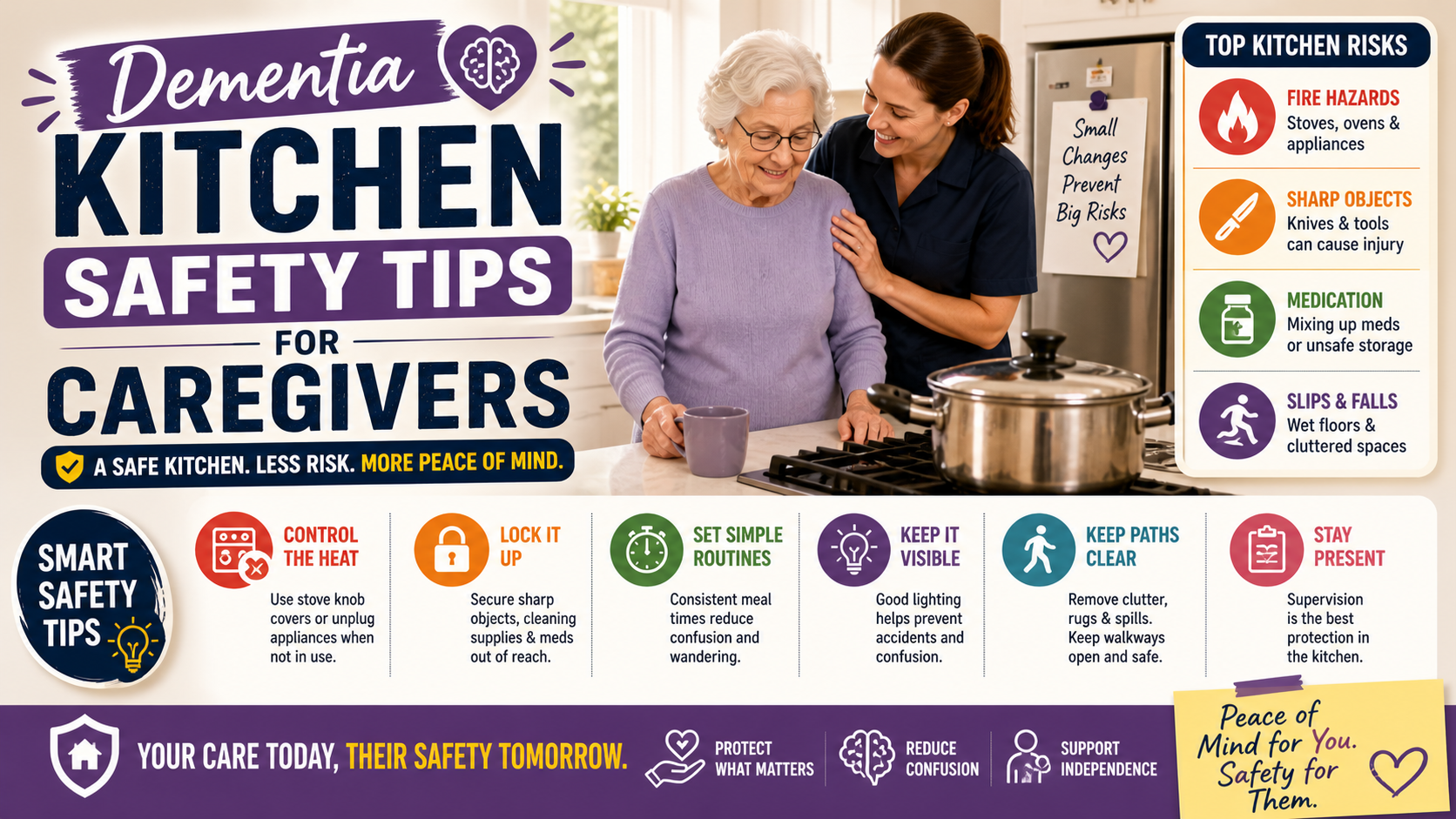
All of the Tier 1 products apply — but the medical alert device with GPS takes on added importance for anyone with cognitive changes. Automatic fall detection covers falls regardless of whether the person can press a button or communicate their situation. GPS geofencing provides wandering protection alongside fall detection. Our guide on home safety tips for seniors with dementia covers the dementia-specific modifications that supplement standard fall prevention products.
Start With Tier 1 — This Weekend
The six Tier 1 products can be ordered today and most can be in place by the end of the weekend. Grab bars take a few hours to install. Everything else takes minutes. The protection they provide starts immediately and continues every single day.
Don’t let perfect be the enemy of good. You don’t need every product on this list before you have meaningful fall prevention in place. You need the Tier 1 products — and then you build from there.
→ Get the SecuLife Smartwatch on Amazon
→ Get the Toilet Safety Rails on Amazon
→ Get the Night Lights on Amazon
About the Author
Tom Garrett spent eight years as an EMT responding to fall-related injuries in older adults — seeing firsthand which environmental factors were consistently present and which products were consistently absent in the homes where the most serious falls occurred. That pattern recognition informs his product rankings here — not marketing claims or affiliate incentives, but the consistent real-world picture of what’s present in safe homes and absent in homes where falls happen. He writes for Elder Safety Guide to translate that firsthand experience into practical guidance families can act on.