15 Warning Signs Families Should Never Ignore
For many seniors, driving represents freedom.
It means being able to visit friends, attend church, go shopping, make doctor appointments, and maintain independence without relying on others.
That is why deciding when an elderly parent should stop driving is one of the most emotional and difficult situations families face.
Nobody wants to take away a loved one’s independence. At the same time, ignoring serious warning signs can put your parent, passengers, pedestrians, and other drivers at risk.
The reality is that most seniors do not suddenly become unsafe drivers overnight. Driving ability typically declines gradually. Families often notice warning signs months or even years before a major accident occurs.
Knowing what to look for can help you have the right conversation at the right time.
Does Age Alone Mean Someone Should Stop Driving?
No.
Age by itself is not a reason to stop driving.
Many people remain safe and capable drivers well into their 80s and even 90s.
The real concern is whether physical, cognitive, or medical changes are affecting driving ability.
A senior who remains alert, physically capable, and mentally sharp may continue driving safely for many years.
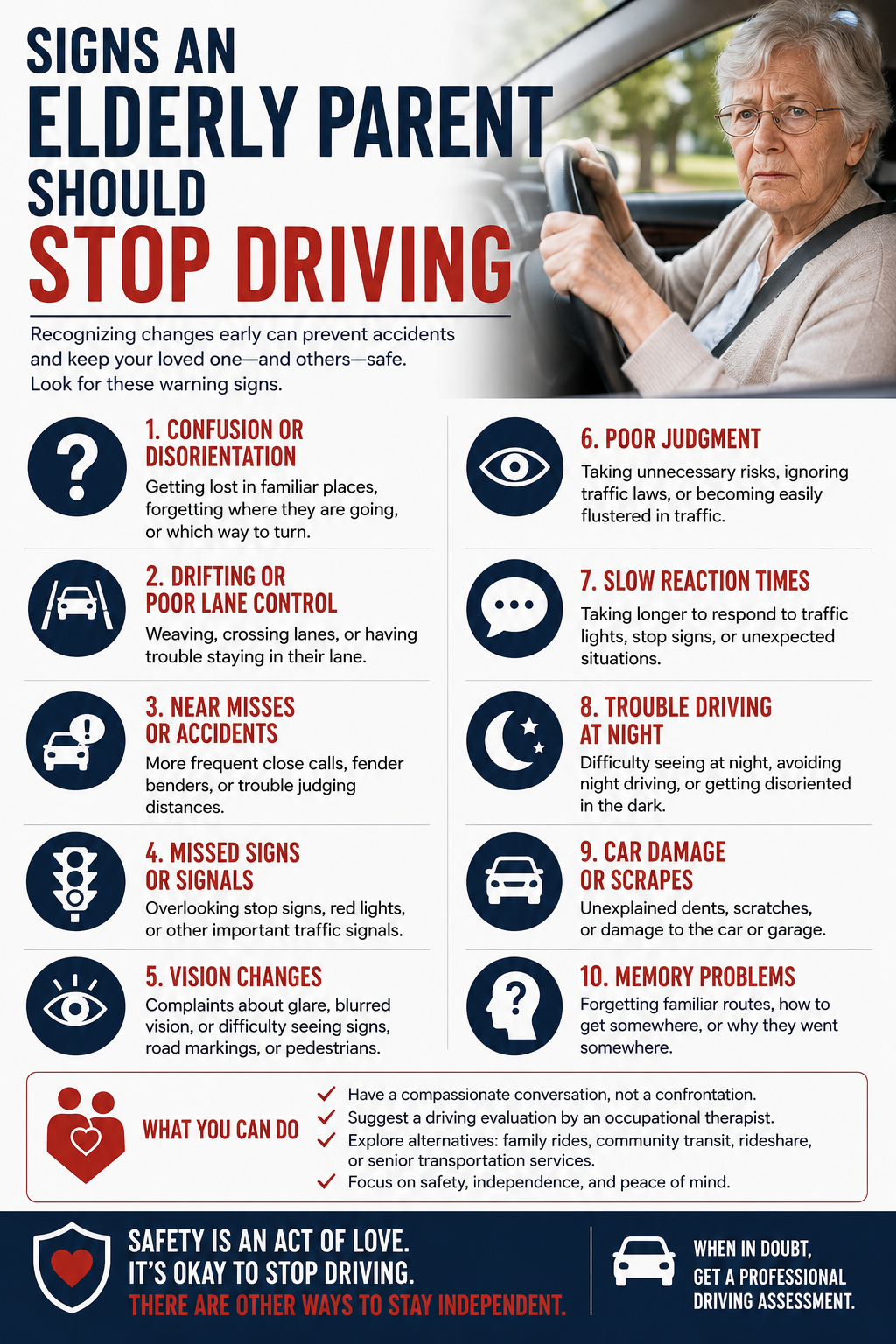
However, when multiple warning signs begin appearing together, it is time for families to pay attention.
1. They Get Lost in Places They Have Known for Years
One of the biggest red flags is getting lost while driving familiar routes.
Maybe your parent suddenly misses turns to the grocery store they have visited for decades. Perhaps they become confused driving home from church or a doctor’s office.
Occasional mistakes happen to everyone.
Repeated confusion in familiar areas is different.

Memory-related driving issues often overlap with other safety concerns inside the home. Families noticing these behaviors should also review our guide on home safety tips for seniors with dementia because driving confusion is often only one part of a larger problem.

2. New Dents, Scratches, and Vehicle Damage Keep Appearing
Minor accidents often happen before major accidents.
Pay attention if you notice:
- New dents on the car
- Scratches along the side panels
- Damaged mirrors
- Garage door impacts
- Mailbox collisions
- Curbed wheels
Many seniors will blame these incidents on bad luck.
When damage becomes frequent, it often signals declining awareness, slower reaction times, or vision problems.
3. Other Drivers Frequently Honk at Them
A horn occasionally goes off for everyone.
However, repeated honking may indicate unsafe driving habits.
This often happens when seniors:
- Drive too slowly
- Hesitate excessively
- Miss traffic signals
- Fail to merge properly
- Stop unexpectedly
Family members riding with an older driver often notice these situations long before the driver recognizes them.
4. They Avoid Driving at Night
Many seniors voluntarily restrict their driving.
At first glance, this may seem responsible.
However, avoiding nighttime driving can indicate worsening vision problems.
Difficulty with:
- Headlight glare
- Reading road signs
- Seeing pedestrians
- Judging distances
may all point to declining driving safety.
5. They Seem More Anxious Behind the Wheel
Loss of confidence is often an overlooked warning sign.
A senior who once enjoyed driving may suddenly appear:
- Nervous
- Easily frustrated
- Overwhelmed in traffic
- Reluctant to drive unfamiliar routes
Many older adults recognize changes in their abilities long before they openly discuss them.

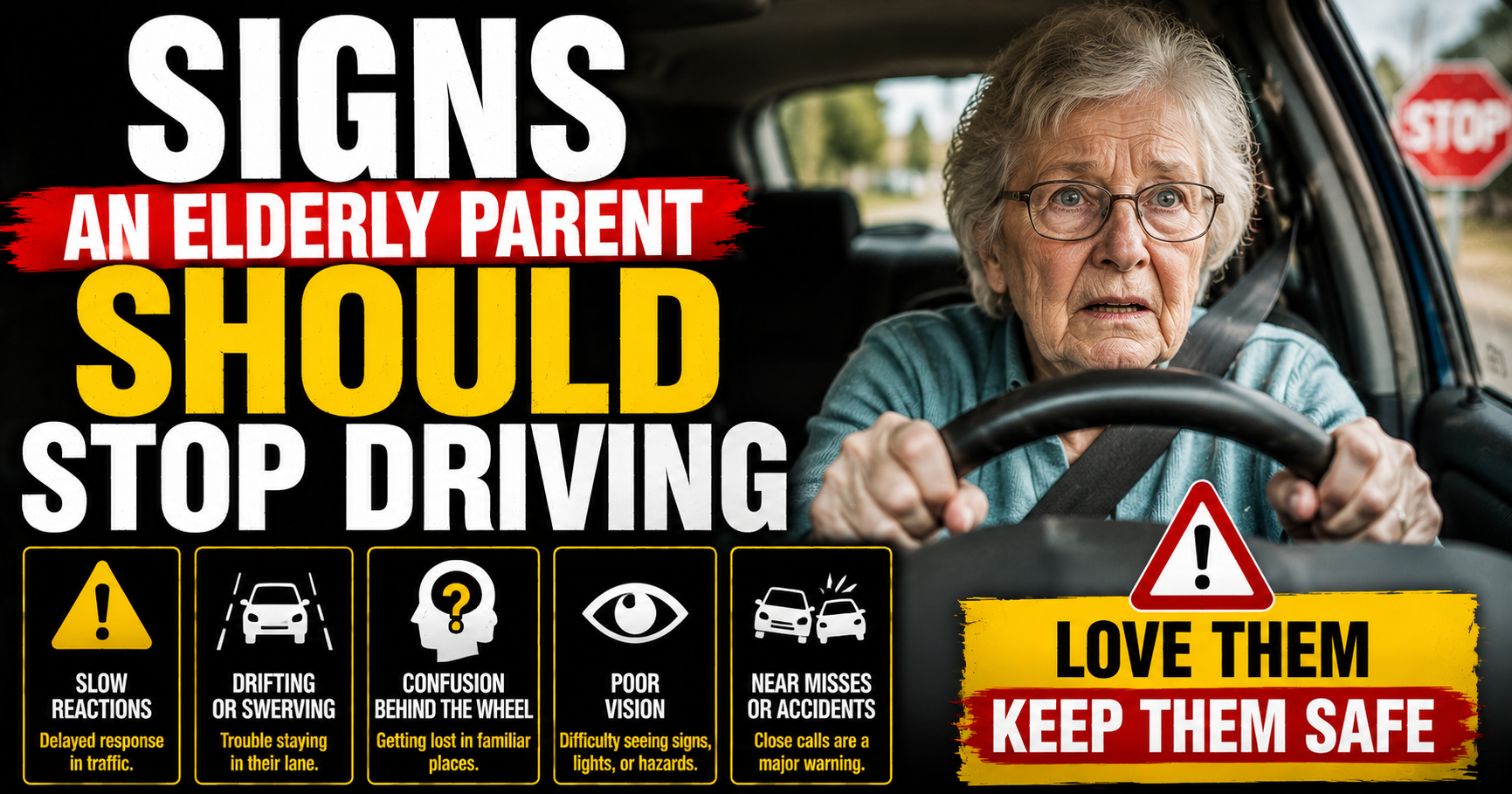
6. Their Reaction Time Has Slowed Noticeably
Safe driving requires quick decision-making.
Drivers must constantly react to:
- Traffic lights
- Pedestrians
- Sudden stops
- Lane changes
- Unexpected hazards
When reaction times slow, crash risk increases significantly.
7. They Have Experienced Recent Falls
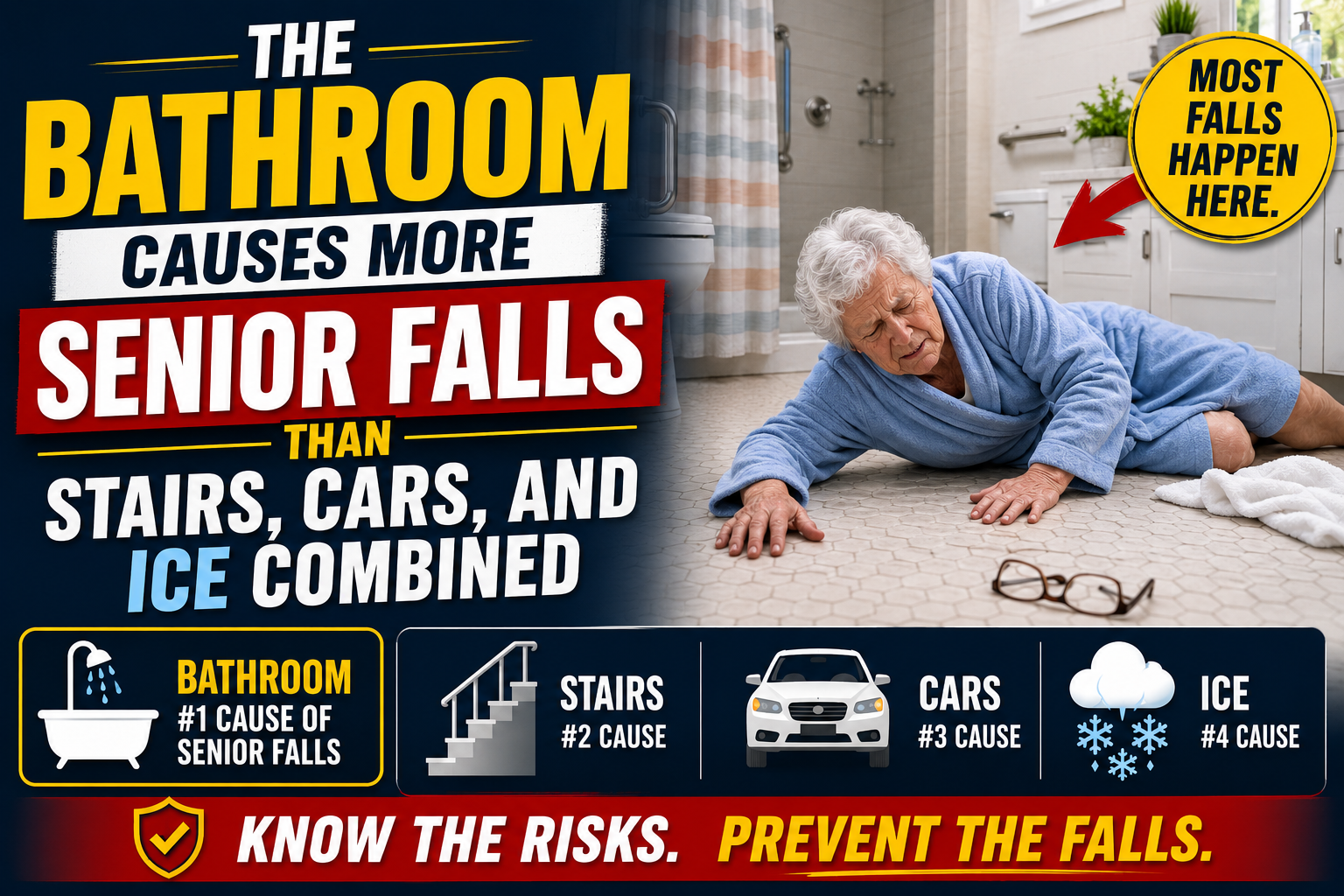
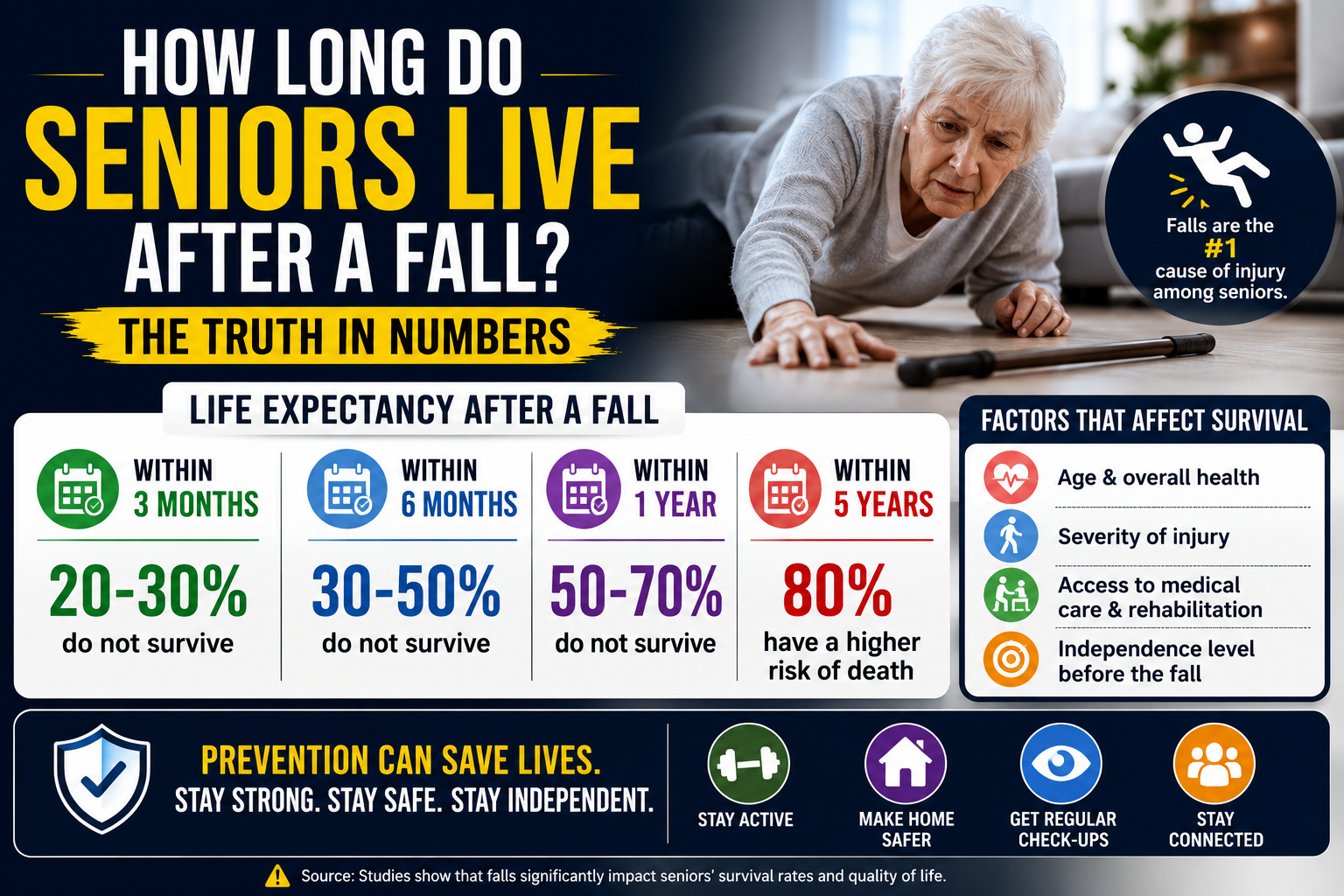
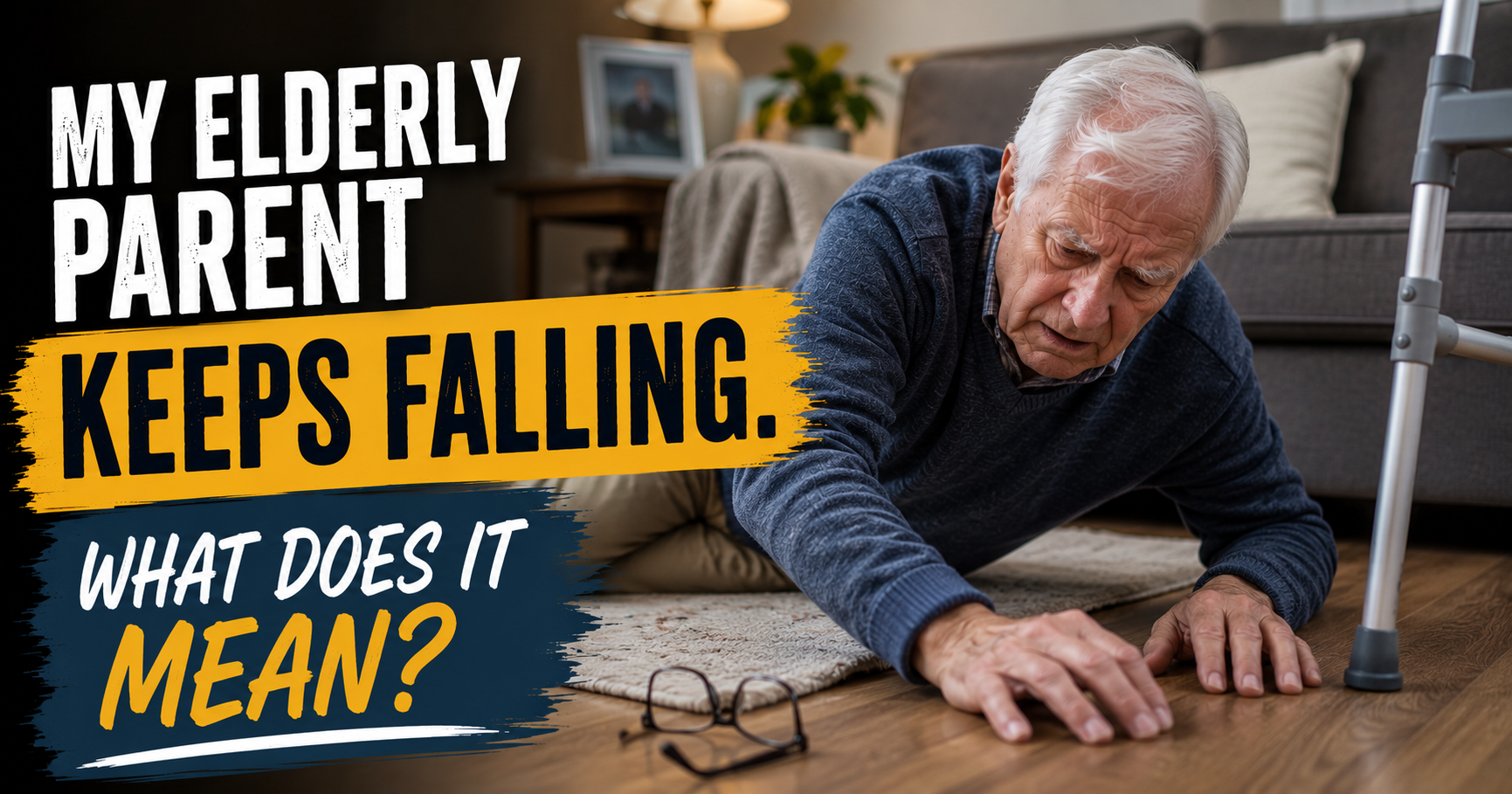
Families are often surprised to learn there is a strong connection between falls and driving problems.
Balance issues, mobility limitations, vision changes, and muscle weakness can affect both activities.
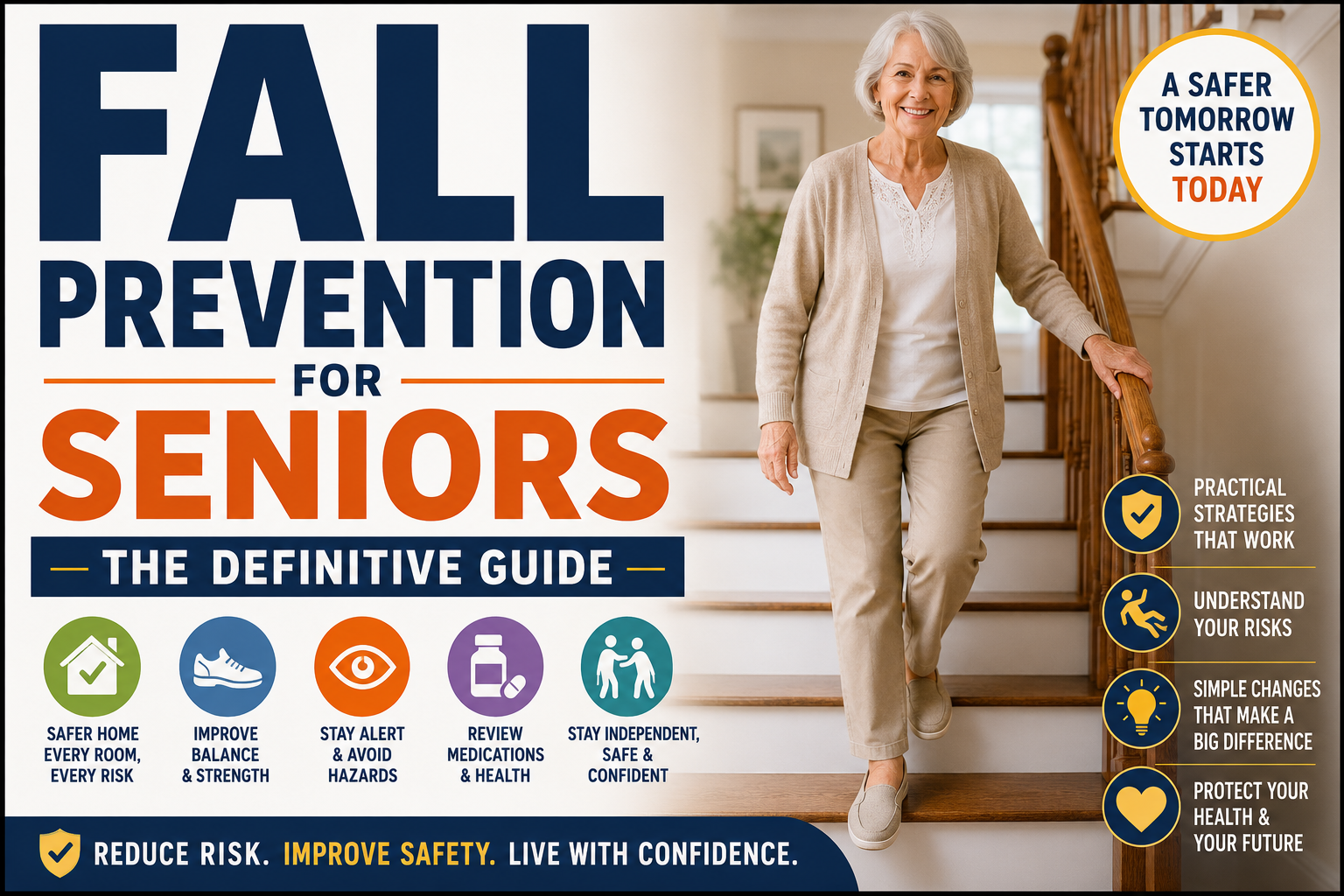
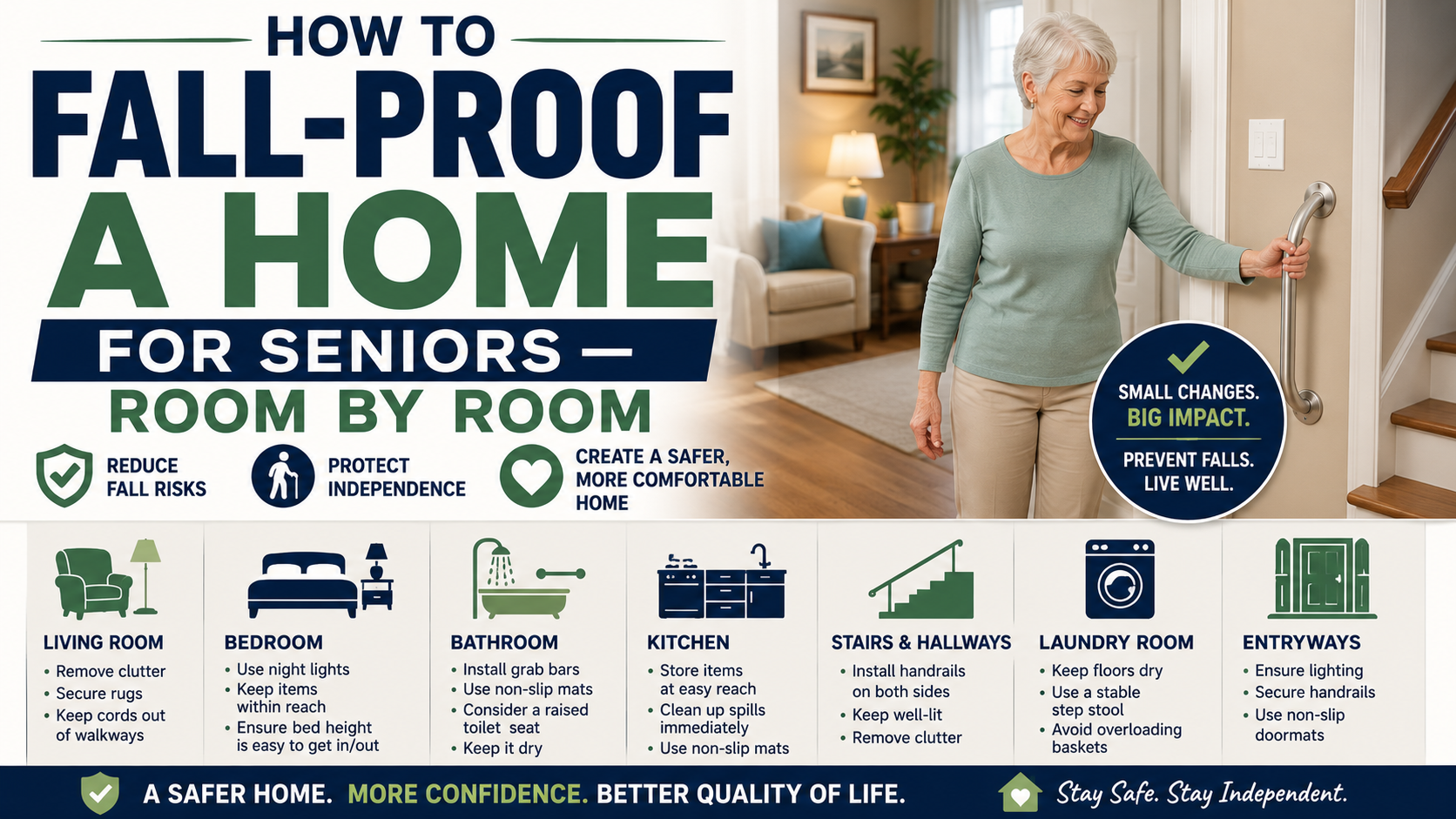
If your parent has experienced recent falls, review our comprehensive guide to fall prevention for seniors to identify potential risk factors.
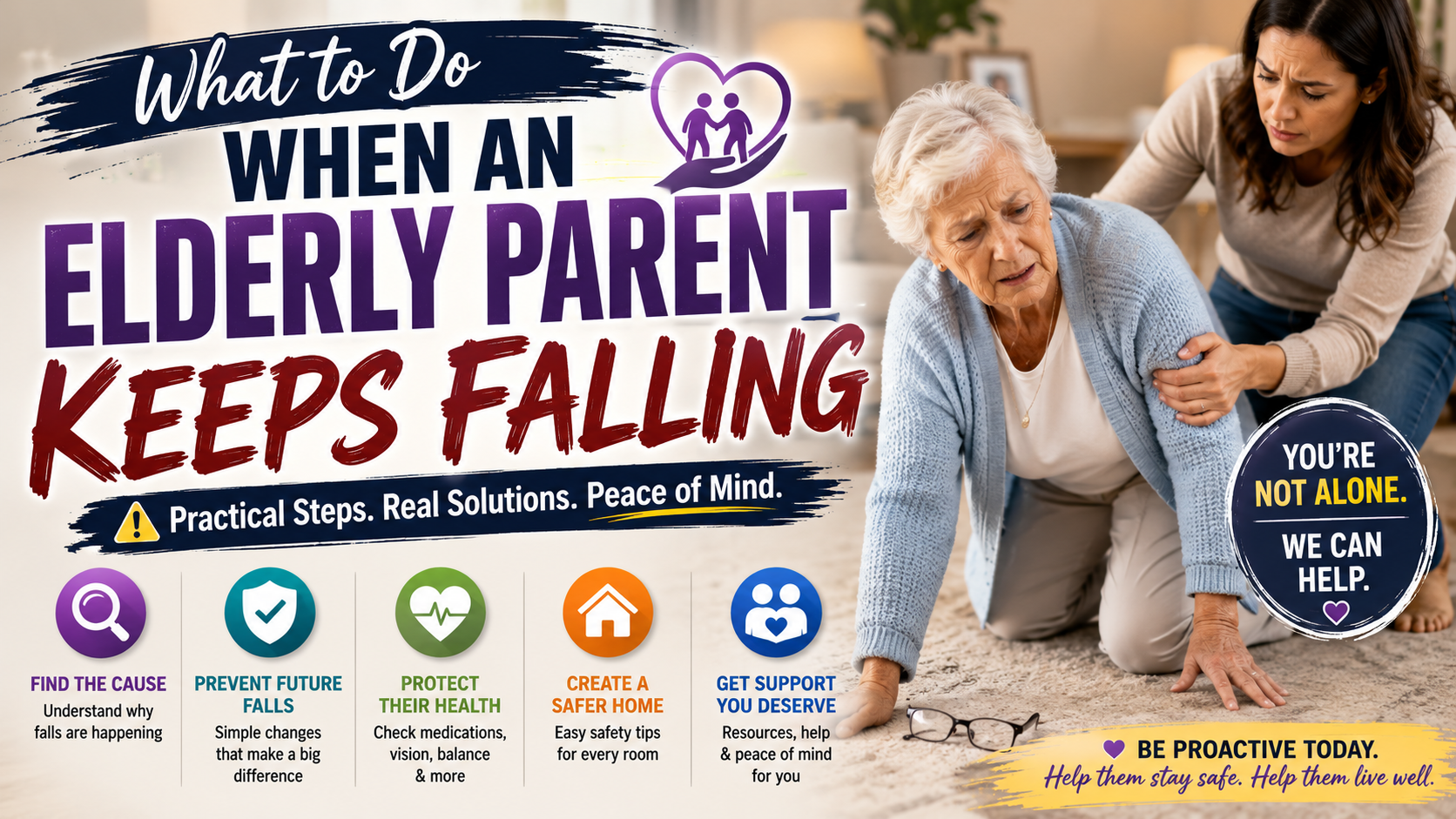
You should also read what to do when an elderly parent keeps falling because recurring falls frequently indicate larger health concerns.
8. They Frequently Miss Traffic Signs
Missing an occasional sign is normal.
Regularly missing:
- Stop signs
- Yield signs
- Traffic signals
- Speed limit signs
is not.
These mistakes can quickly lead to serious accidents.
9. They Have Trouble Turning Their Head
Safe driving requires checking blind spots.
Conditions such as arthritis, neck stiffness, and joint pain can make this difficult.
If your parent struggles to comfortably look over their shoulder, driving safely becomes much more challenging.


10. Medications Are Affecting Their Alertness
Many medications commonly prescribed to seniors can affect driving.
Potential side effects include:
- Drowsiness
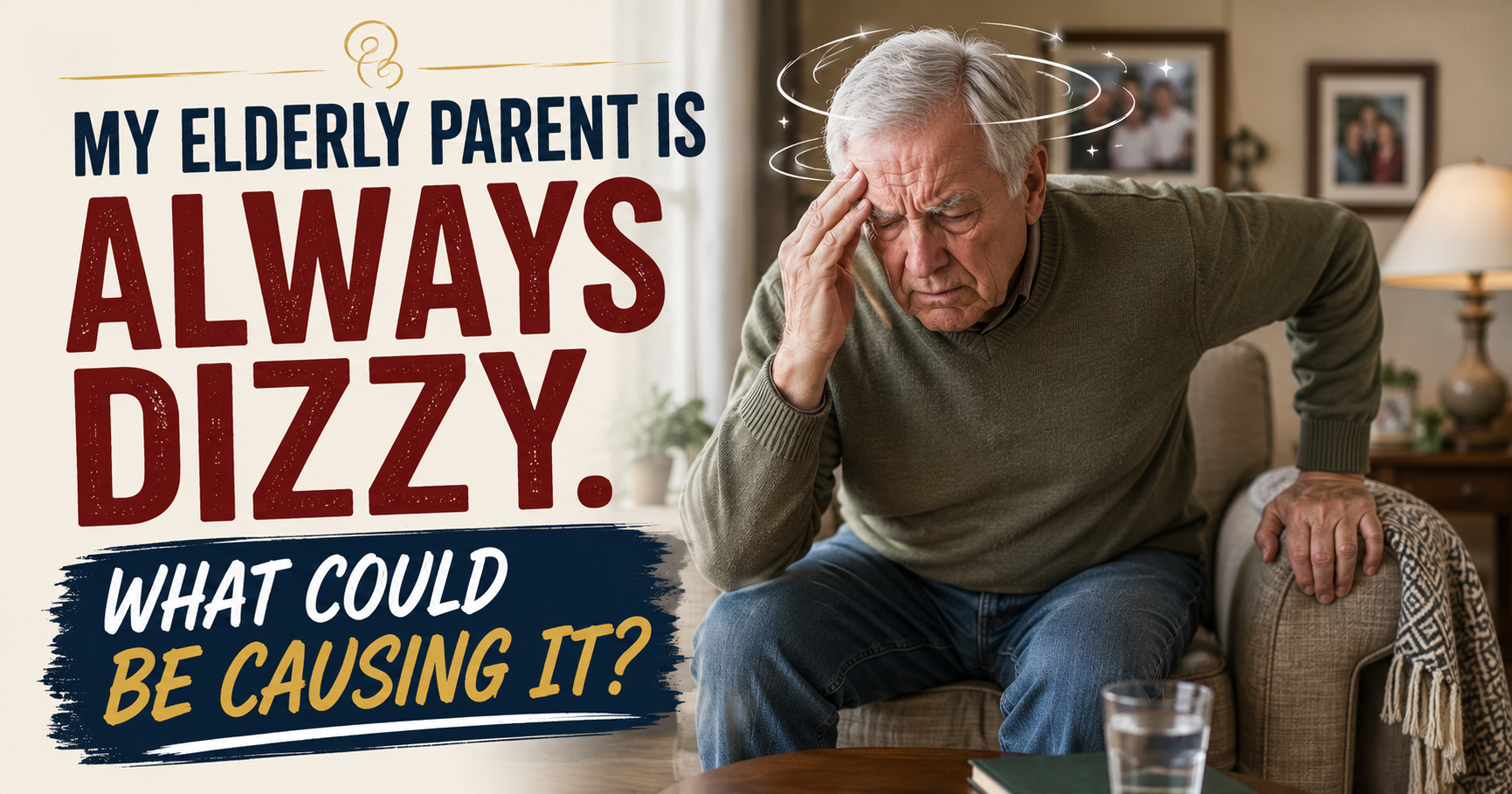
- Dizziness
- Confusion
- Blurred vision
- Slower thinking
A medication review with a healthcare provider can often reveal problems families may not recognize.
11. Family Members No Longer Feel Comfortable Riding With Them
This warning sign is often ignored.
Ask yourself honestly:
Would you feel comfortable putting your child in the vehicle with your parent driving?
Would your siblings?
Would your spouse?
If family members consistently avoid riding with a senior driver, there is usually a reason.
12. They Have Been Diagnosed With Cognitive Decline
Memory disorders do not automatically mean someone must stop driving immediately.
However, conditions affecting judgment and decision-making deserve careful monitoring.
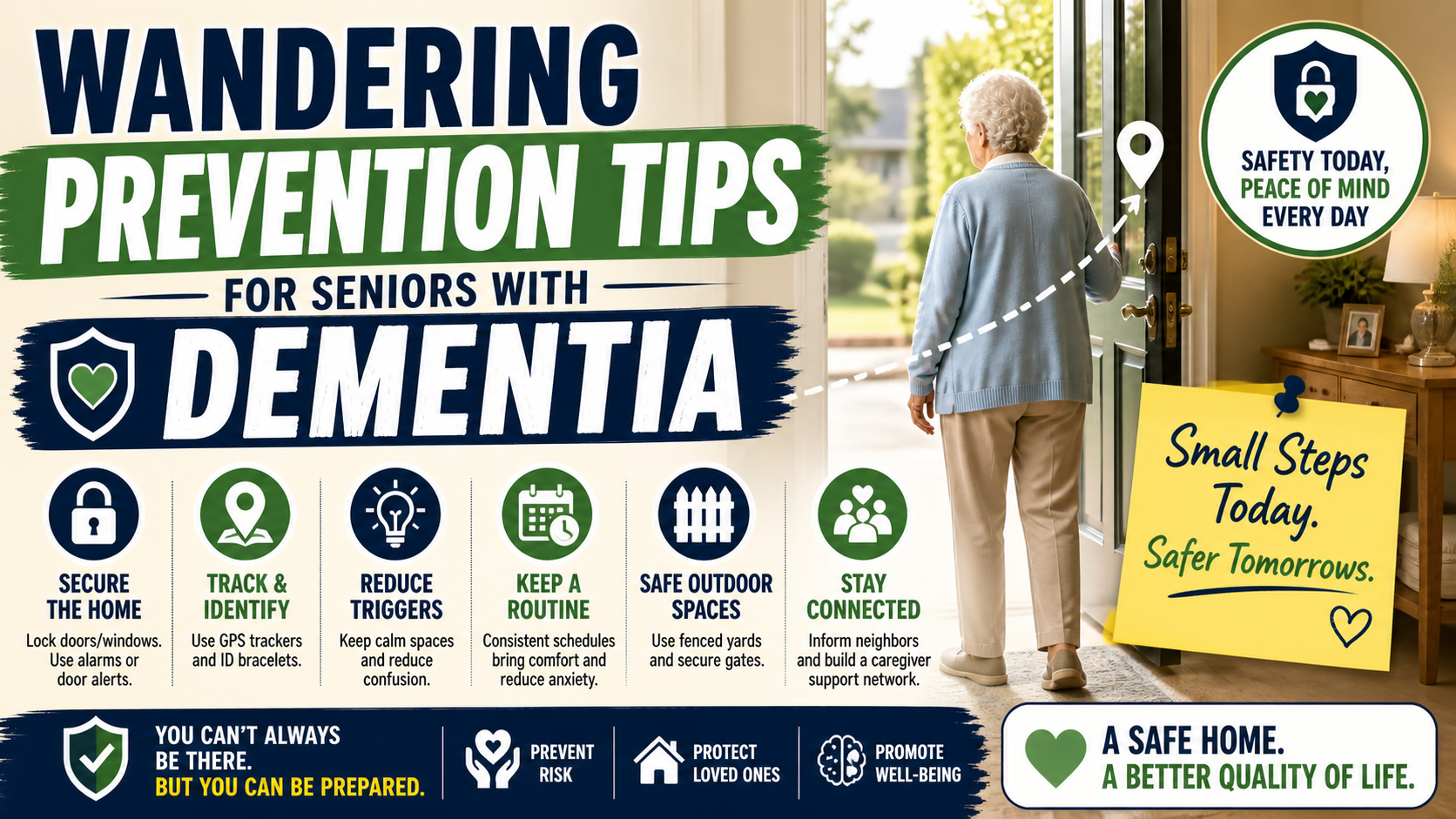
Families dealing with cognitive decline should also review wandering prevention tips for seniors with dementia and how to keep a parent with dementia safe at night because safety concerns rarely stop at driving alone.
13. They Have Been Involved in Multiple Close Calls
Near misses matter.
A senior who repeatedly says:
- “That was close.”
- “I didn’t see them.”
- “They came out of nowhere.”
may be experiencing declining awareness.
Many serious accidents are preceded by months of close calls.
14. Their Doctor Has Recommended Limiting Driving
Physicians often recognize concerns families miss.
Doctors may notice:
- Vision problems
- Cognitive decline
- Medication interactions
- Neurological changes
Medical advice regarding driving should never be ignored.
15. Several Warning Signs Are Happening at Once
The most important warning sign is not any single issue.
It is when multiple issues begin appearing together.
For example:
- Recent falls
- Memory concerns
- New dents on the car
- Getting lost
- Medication side effects
Taken individually, these may seem manageable.
Combined, they often indicate that driving is becoming unsafe.
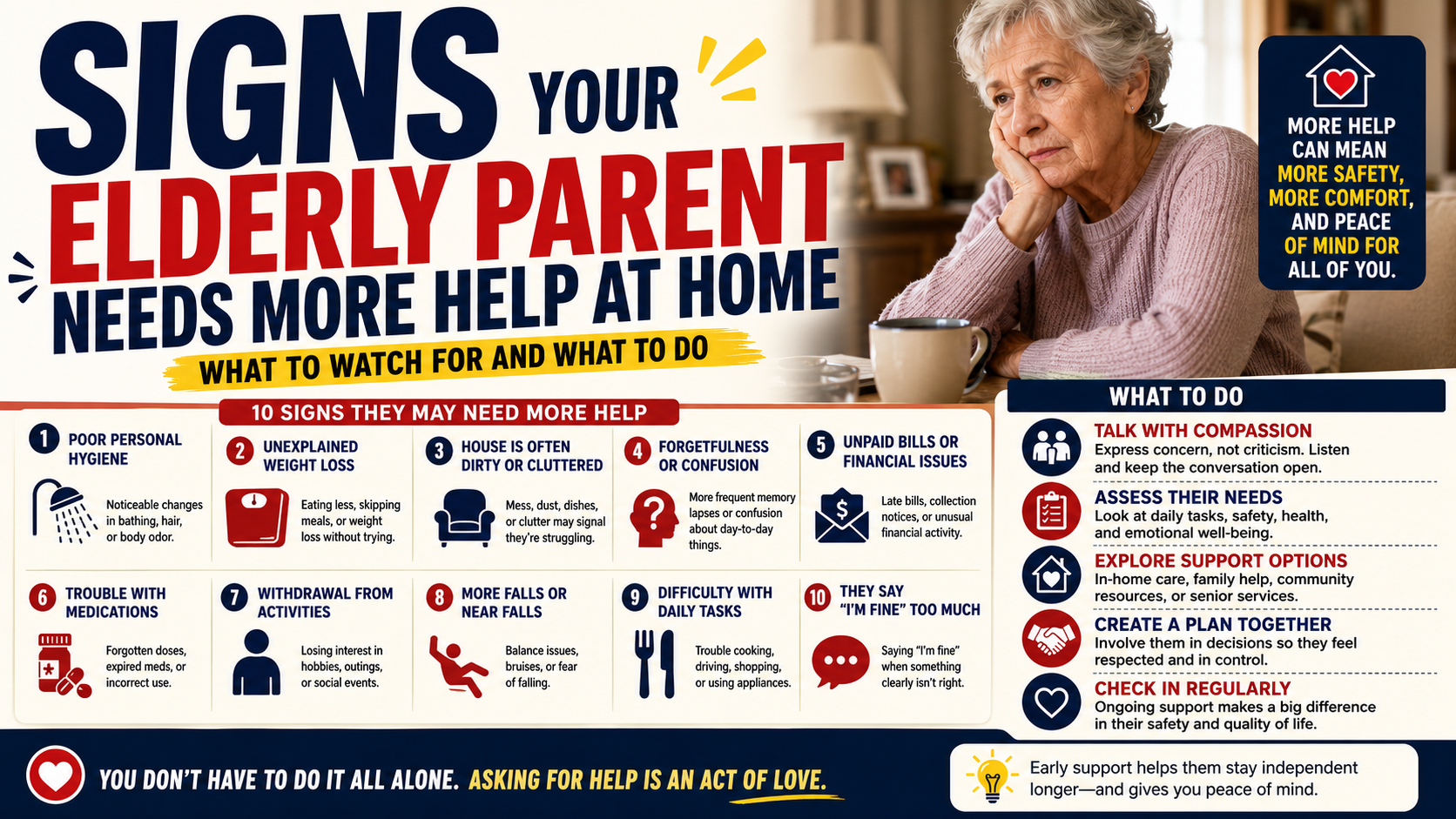
Families noticing multiple concerns should review warning signs your elderly parent needs more help at home and warning signs you may not be safe living alone anymore to evaluate the broader picture.
How to Talk to an Elderly Parent About Driving
The conversation matters just as much as the decision itself.
Approaching the issue aggressively usually creates resistance.
Instead:
- Focus on safety
- Use specific examples
- Listen carefully
- Remain calm
- Avoid blame
Avoid statements like:
- You’re too old to drive.
- You need to give up your keys.
- You’re becoming dangerous.
Instead say:
- I’m worried about your safety.
- I’ve noticed some things that concern me.
- I want to help you stay independent.
These approaches tend to produce far better results.
What If They Refuse to Listen?
This is common.
Many seniors see driving restrictions as a direct attack on their independence.
In these situations, families often face the same challenges discussed in how to talk to an aging parent about moving without damaging your relationship.
The goal should be collaboration rather than confrontation.
Alternatives That Help Seniors Stay Independent
Stopping driving does not mean giving up freedom.
Many seniors continue living independently through:
- Family transportation schedules
- Ride-sharing services
- Senior transportation programs
- Grocery delivery
- Prescription delivery
- Telehealth appointments
Creating alternatives before driving becomes a crisis often makes the transition much smoother.
Technology Can Help Fill the Gap
Many families worry about emergencies once a parent stops driving.
Safety technology can provide peace of mind.
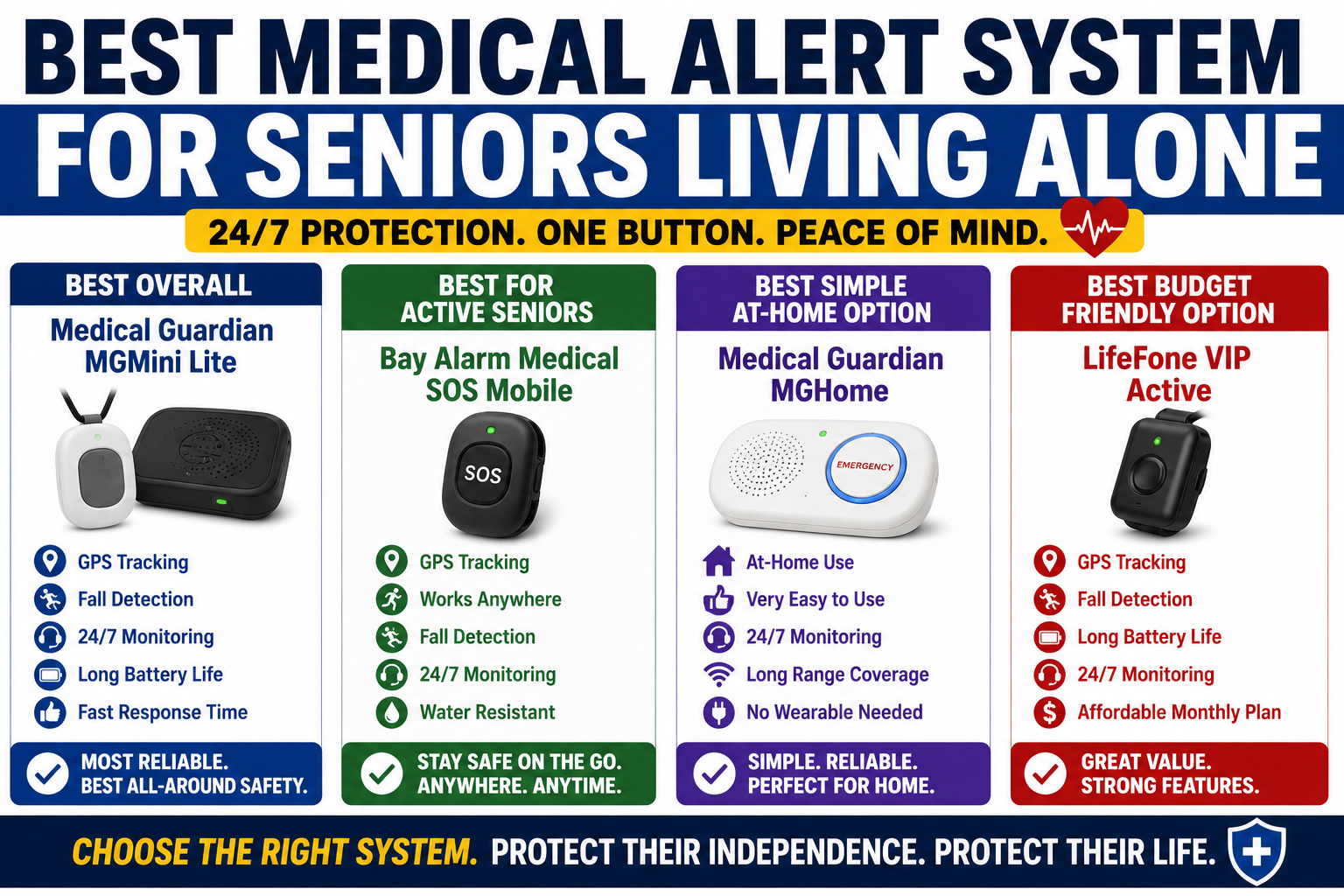
For seniors living independently, a best medical alert system for seniors living alone may provide immediate access to help during emergencies.
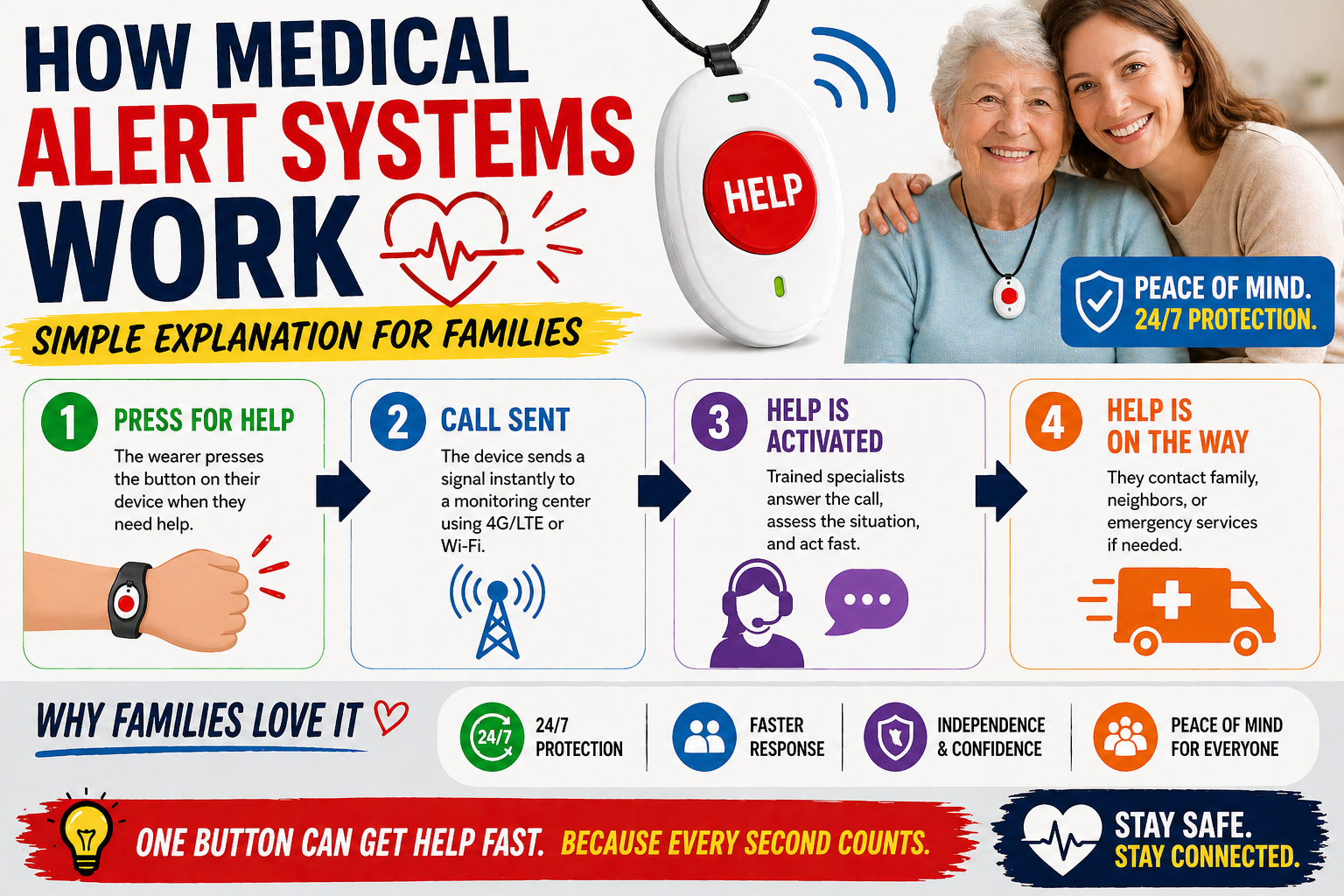
Families should also understand how medical alert systems work for seniors and review the warning signs discussed in do you need a medical alert system.
When Driving Problems May Signal Bigger Issues
One mistake families make is treating driving as a separate problem.
Driving difficulties often reveal broader concerns involving:
- Mobility
- Balance
- Memory
- Home safety
- Emergency preparedness
If driving concerns are appearing, it may also be time to evaluate overall safety.
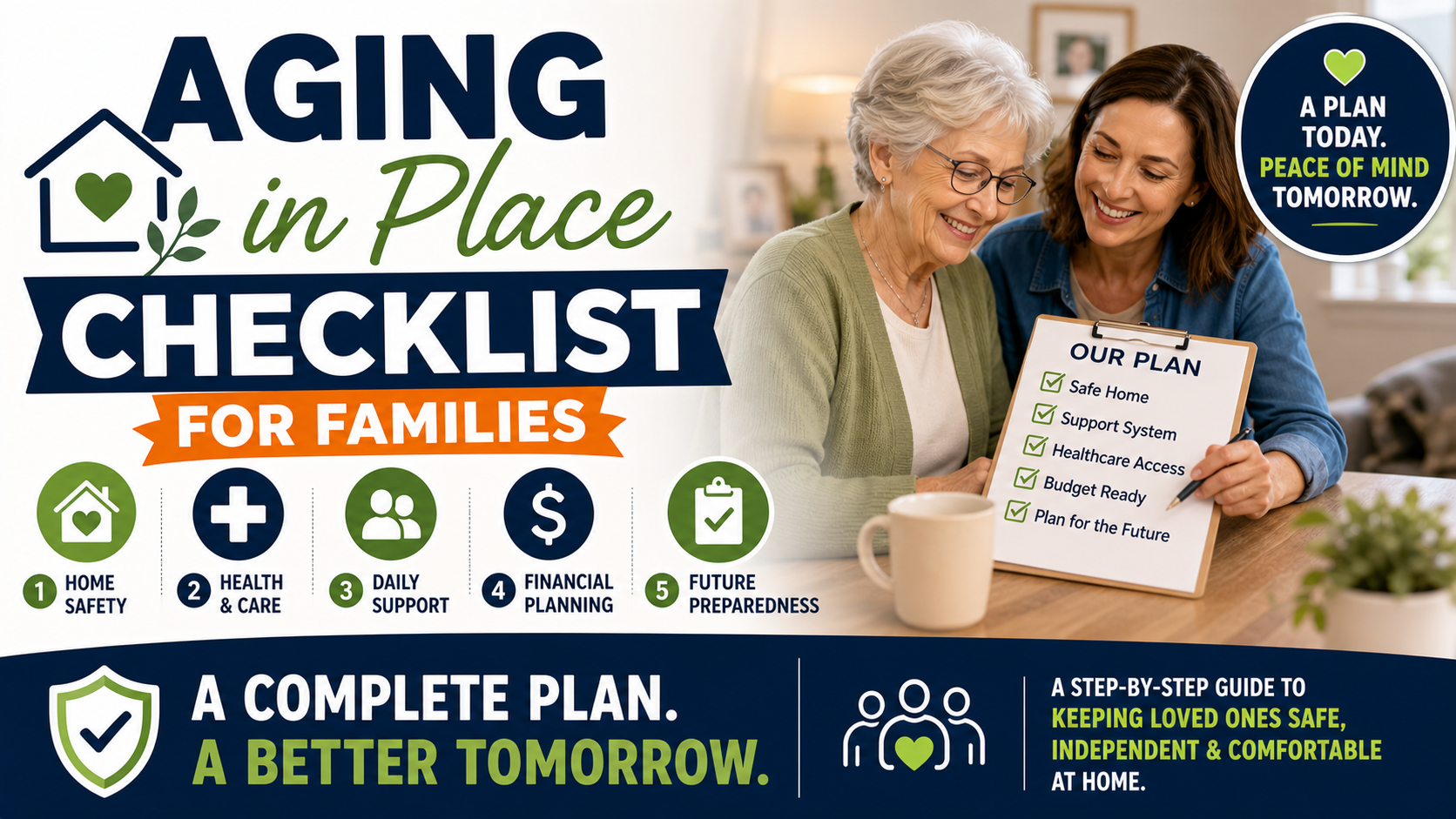
Our aging in place checklist for families can help identify areas where additional support may be needed.
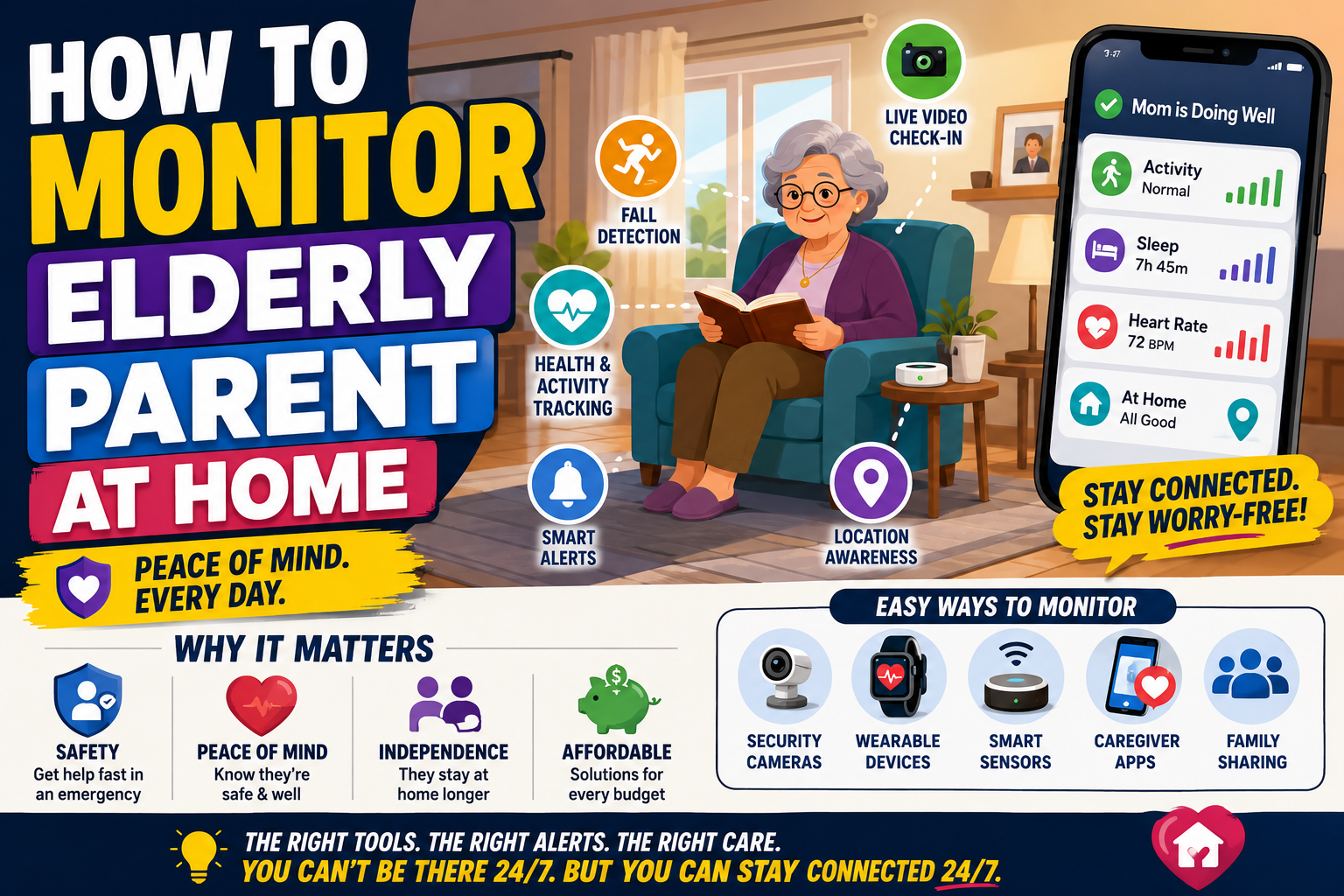
Families caring for loved ones from a distance should also review how to monitor an elderly parent at home to better understand available safety options.
The Goal Is Safety, Not Taking Away Independence
The decision to stop driving is never easy.
For many seniors, it represents one of life’s biggest transitions.
However, the goal is not to take away freedom.
The goal is to preserve health, safety, dignity, and quality of life.
When families recognize warning signs early, have compassionate conversations, and put support systems in place, older adults can remain independent and safe long after they stop driving.
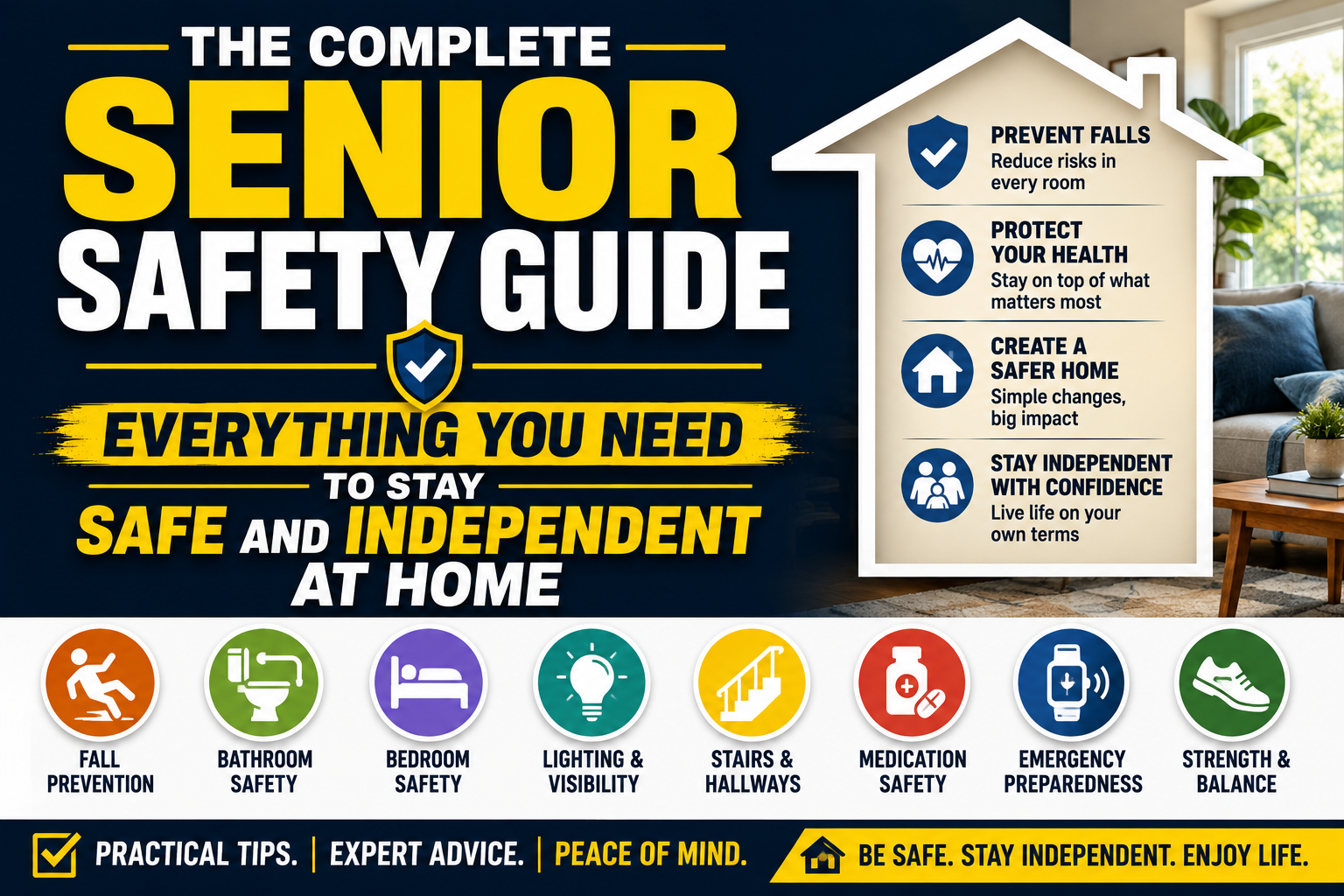
For a broader look at protecting an aging loved one, read our complete senior safety guide for aging in place, which covers home safety, fall prevention, emergency planning, mobility concerns, and much more.