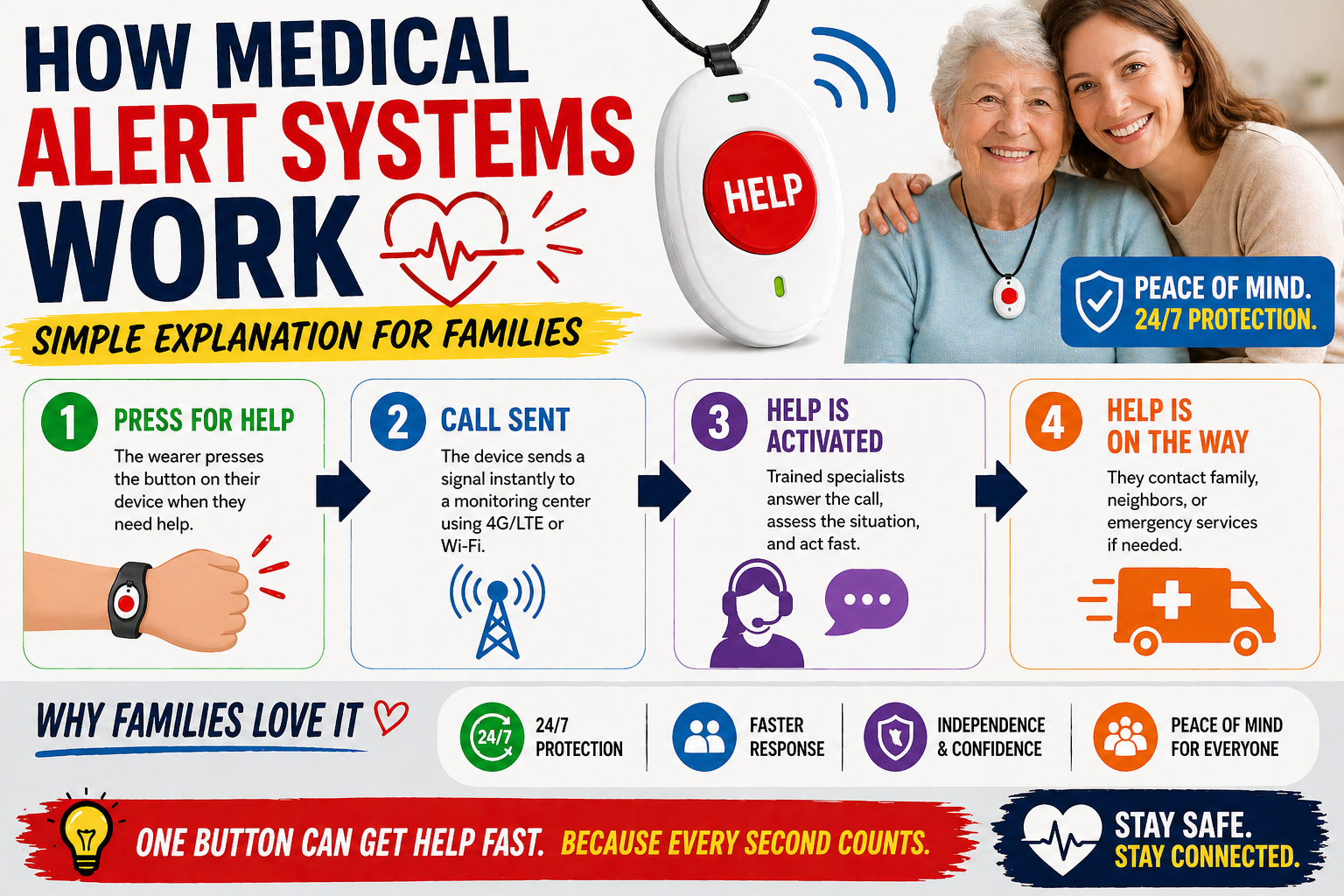
Confused about how medical alert systems work? Here’s a clear, simple breakdown of what happens when the button is pressed and how help gets there fast.
A Clear, No-Confusion Guide to How These Devices Actually Help in Emergencies
If you’ve been looking into medical alert systems, you’ve probably seen a lot of features listed:
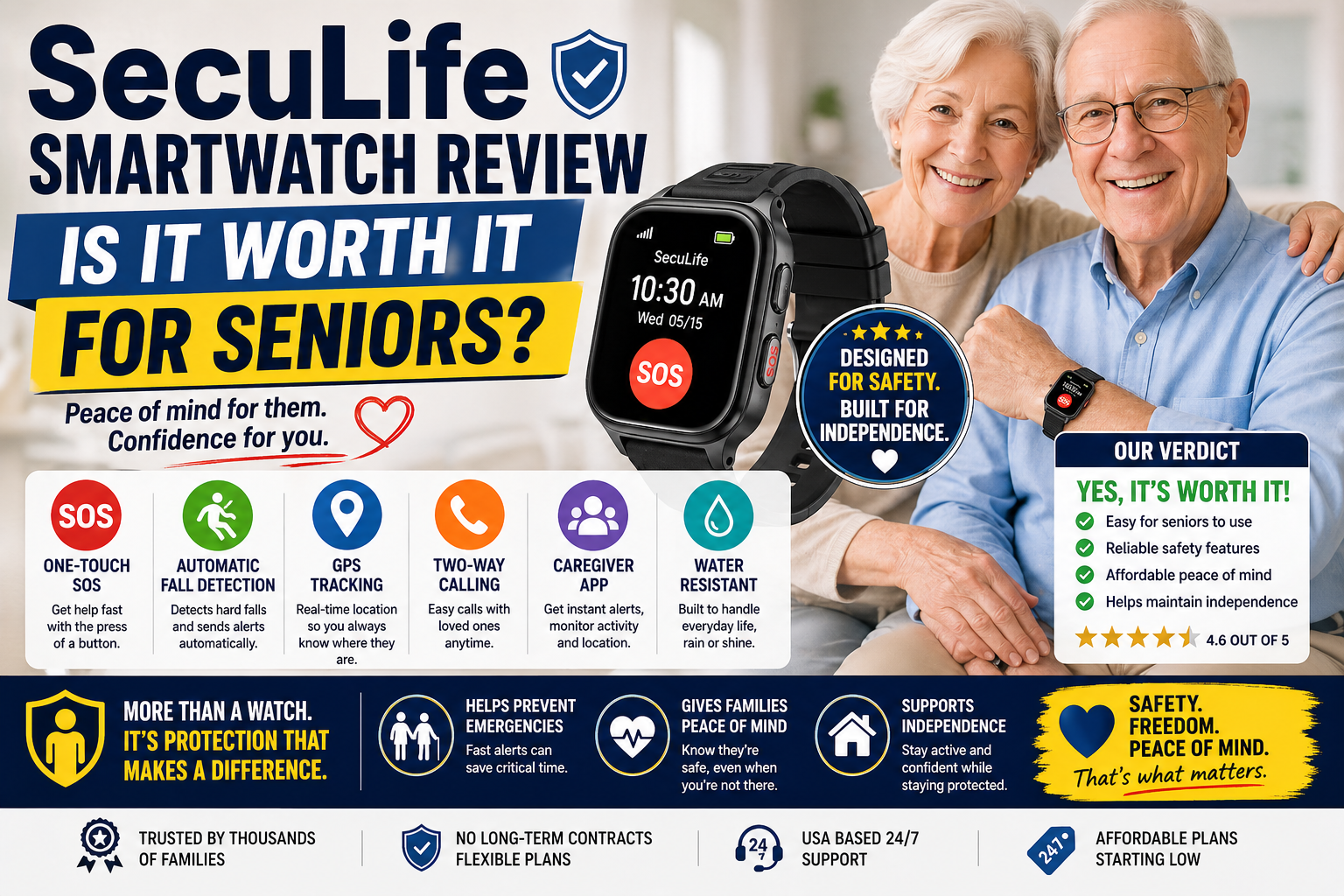
- Fall detection
- GPS tracking
- Emergency monitoring
- Mobile coverage
But what most people really want to know is simple:
How does this actually work when something goes wrong?
This guide breaks it down in plain English so you can understand exactly what happens in a real situation.
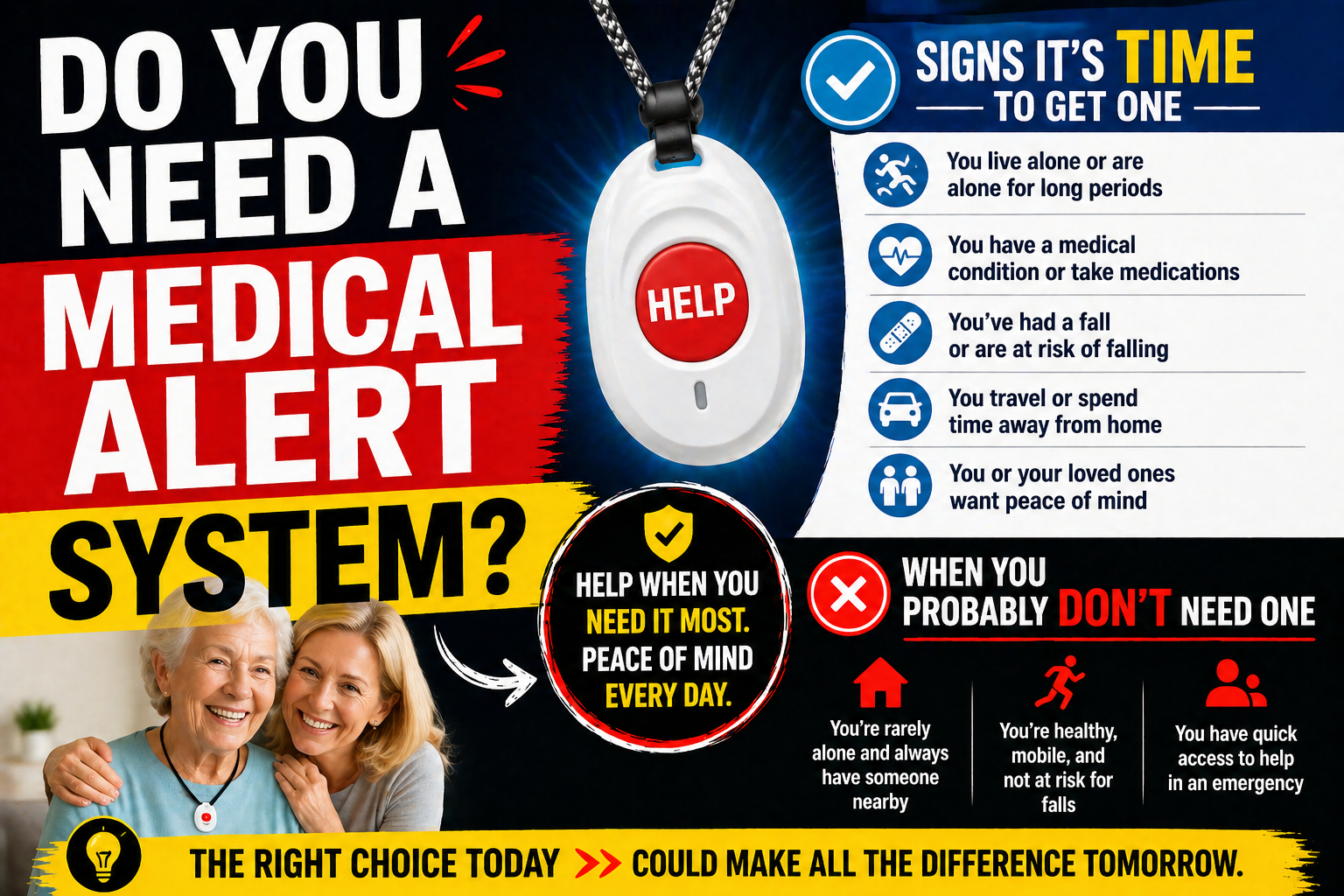
If you’re still deciding whether you even need one, start here first:
do you need a medical alert system? signs it’s time and when you don’t
What a Medical Alert System Actually Does
At its core, a medical alert system is designed to do one thing:
Get help fast when it’s needed
It gives a senior a simple way to:
- Call for help
- Be connected to emergency responders
- Alert family members
Most systems are built around a single button that can be pressed at any time.
What Happens When the Button Is Pressed
This is the part most people care about.
Here’s exactly what happens step by step:
1. The Button Is Pressed
The user:
- Presses a wearable button (necklace or wristband)
- Or presses a button on a mobile device
2. The System Connects Immediately
Depending on the system, it will:
- Call a monitoring center
- Call a family member
- Or connect to emergency services
This usually happens within seconds.
3. A Real Person Responds
If it’s a monitored system:
- A trained operator answers
- They speak through the device
They will ask:
- “Are you okay?”
- “Do you need help?”
4. Help Is Sent
Based on the situation:
- Emergency services may be dispatched
- A caregiver or family member is contacted
This happens even if the person can’t respond
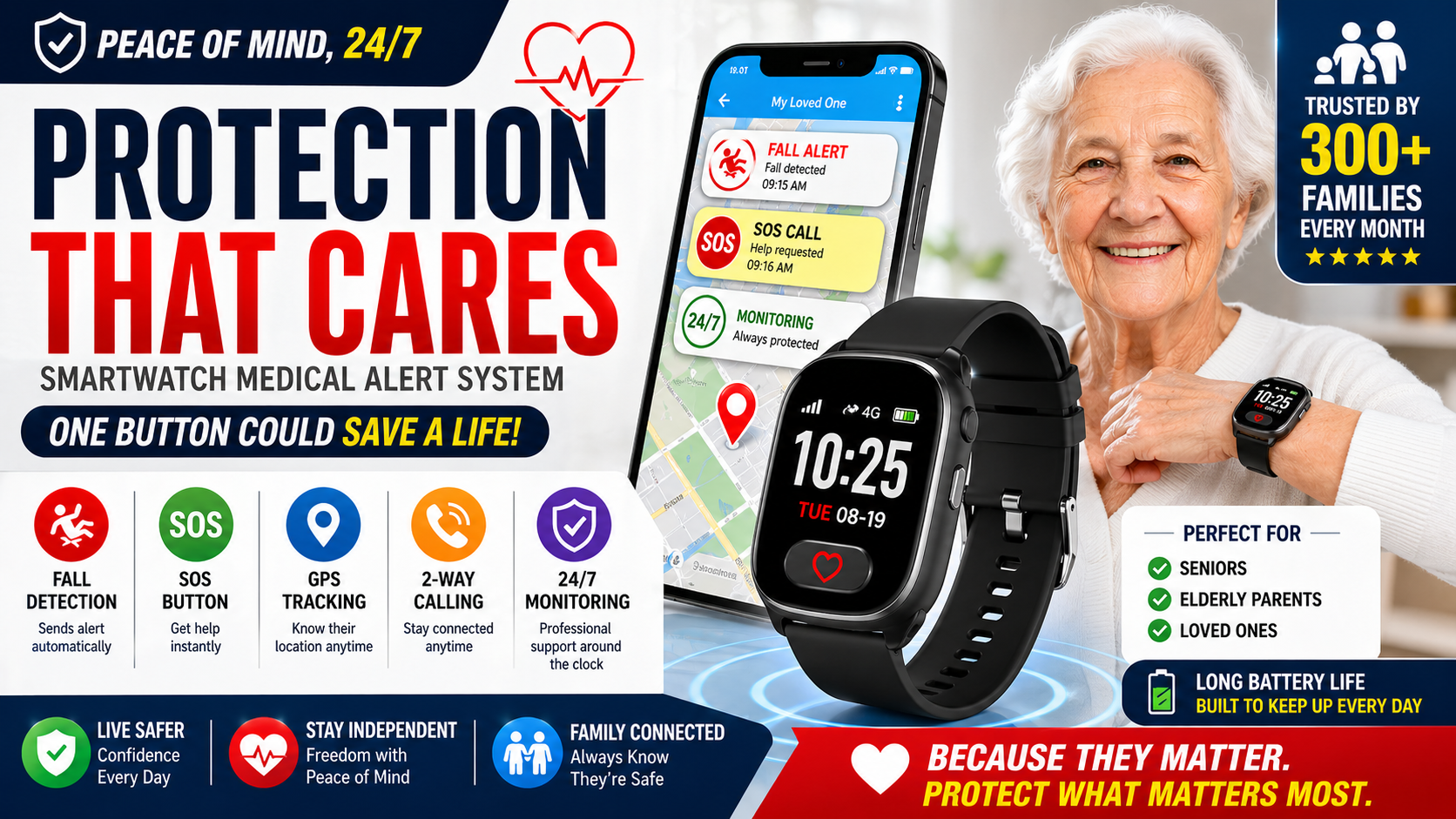
How Fall Detection Works
This is one of the most important features.
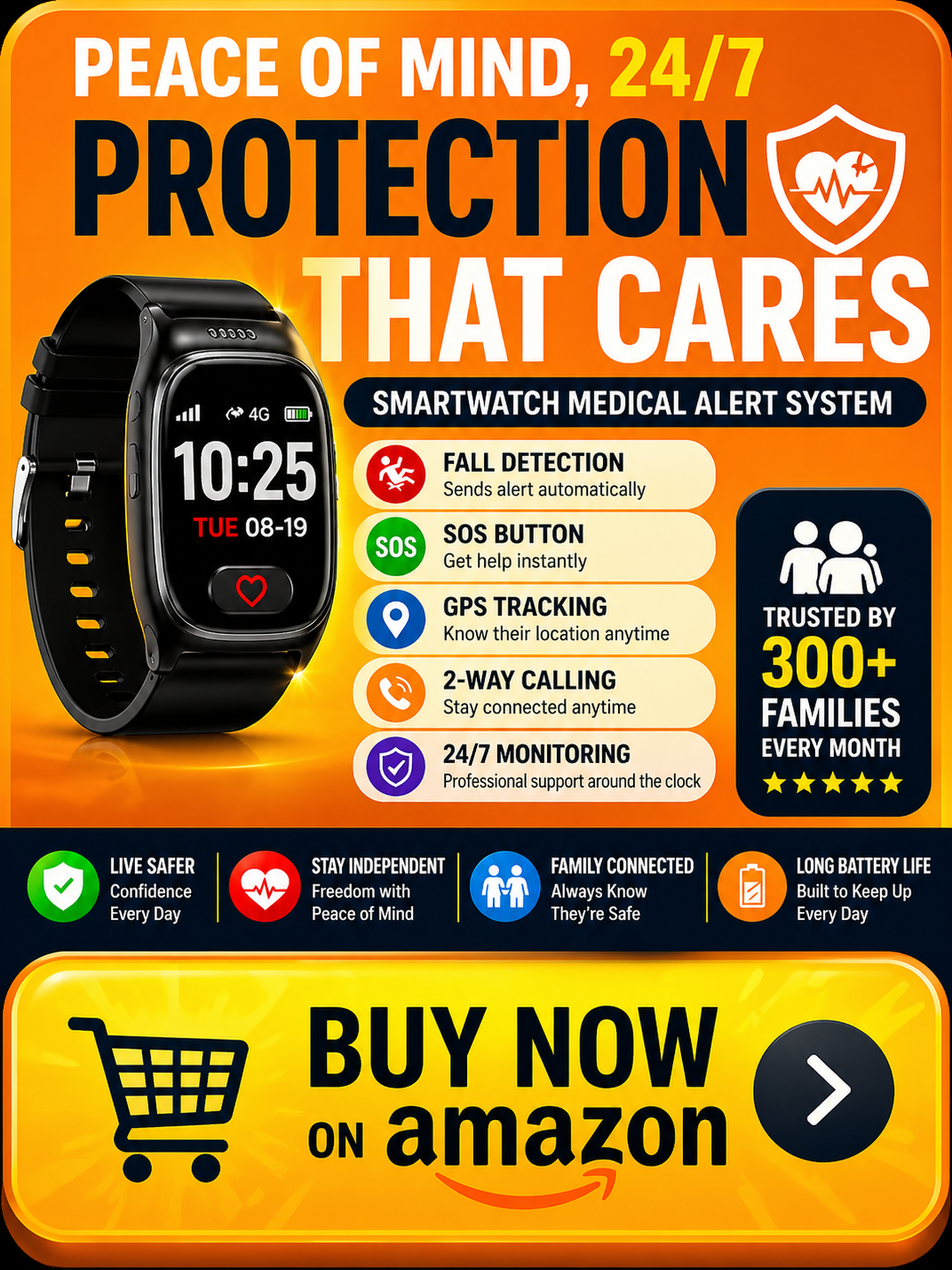
Fall detection uses sensors to:
- Detect sudden movement
- Recognize impact
- Identify lack of movement afterward
If a fall is detected:
- The system triggers an alert automatically
- Even if no button is pressed
Important to Know
- It’s not perfect
- Some systems are better than others
- False alerts can happen
But it still adds a huge layer of protection.
How GPS Tracking Works
For mobile systems:
- The device uses cellular networks
- GPS tracks location in real time
This allows:
- Family to locate a loved one
- Emergency responders to find them quickly
This is especially important for:
- Seniors who leave the house
- Those with memory concerns
Types of Medical Alert Systems (How They Differ)
At-Home Systems
How they work:
- Connect to a base unit in the house
- Use a wearable button
- Work within a certain range
Best for:
- Seniors who stay home most of the time
Mobile Systems
How they work:
- Use cellular networks
- Work anywhere with signal
- Often include GPS
Best for:
- Active seniors
Smart Devices
How they work:
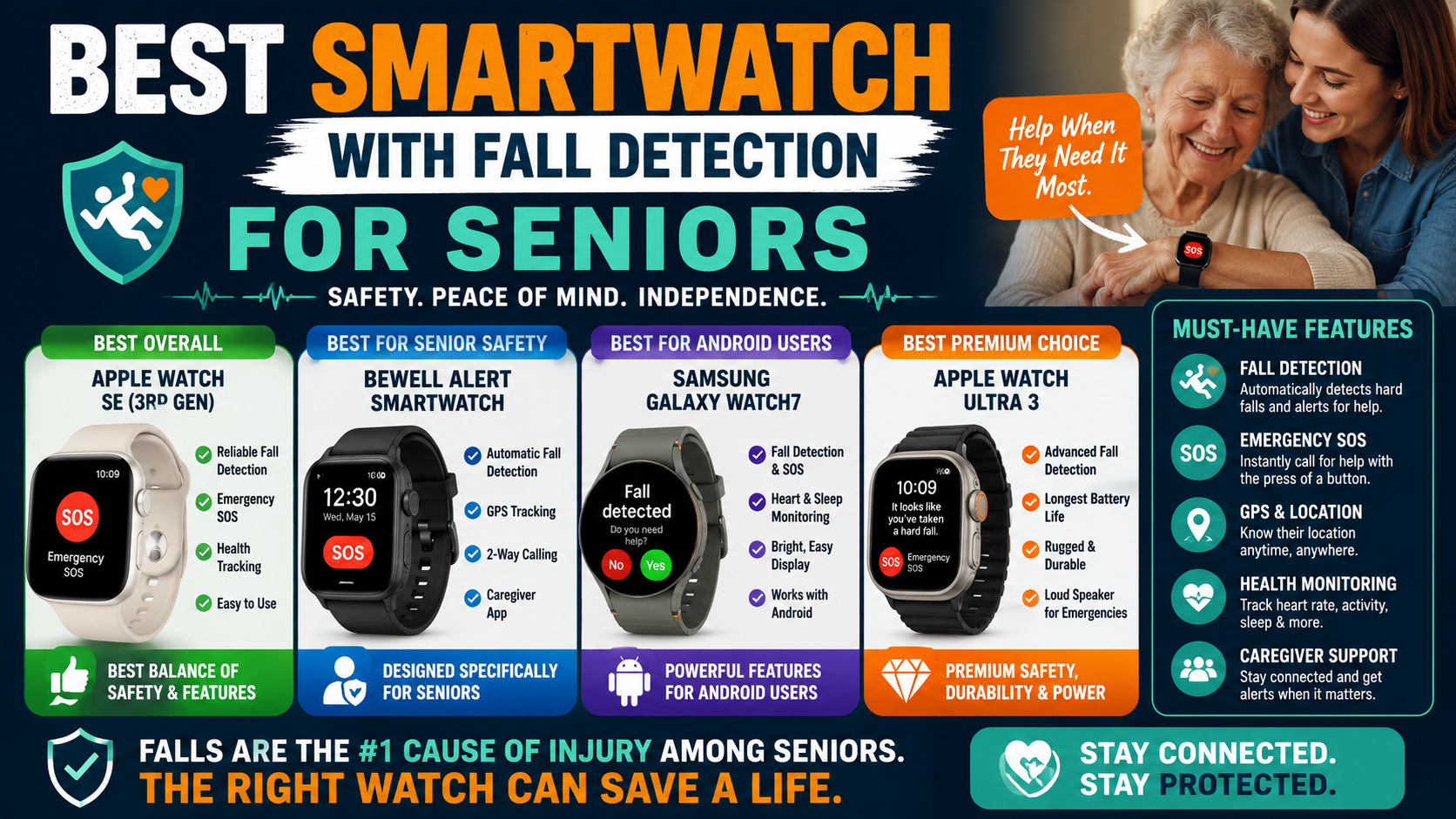
- Combine features into a watch-style device
- Require charging and basic interaction
Best for:
- Tech-comfortable users
Do Medical Alert Systems Call 911 Automatically?
It depends on the system.
Some:
- Connect to a monitoring center first
Others:
- Can contact emergency services directly
The key difference is:
monitored vs non-monitored systems
What Happens If the User Can’t Speak?
Good systems are designed for this.
If there’s:
- No response
- Silence
- A detected fall
The system will:
send help anyway
Do They Work Without Internet?
Yes — most do.
Many systems use:
- Cellular networks
- Built-in SIM cards
This means:
no WiFi is required
How Reliable Are These Systems?
Reliability depends on:
- Signal strength
- Device quality
- Battery life
That’s why choosing the right system matters.
Common Misunderstandings
“They’re complicated to use”
Most are designed to be extremely simple.
“They replace caregivers”
They don’t.
They just add a layer of safety.
“They’re only for emergencies”
They’re also for peace of mind.
Why Understanding This Matters Before You Buy
Most people skip this step and go straight to product lists.
But understanding how these systems work helps you:
- Choose the right type
- Avoid overpaying
- Avoid buying something that won’t be used
Our Approach at Elder Safety Guide
We focus on:
- Real-world usability
- Simple explanations
- Practical advice
If you want to understand how we evaluate devices, visit:
about our mission and approach
Frequently Asked Questions
Do all systems have fall detection?
No — it’s often an add-on feature.
Can they be worn in the shower?
Some are waterproof, but not all.
Do they need charging?
Yes, especially mobile devices.
What to Read Next
Now that you understand how these systems work, the next step is learning:
Which type is right for your situation
If you haven’t already, go back and read:
do you need a medical alert system? signs it’s time and when you don’t