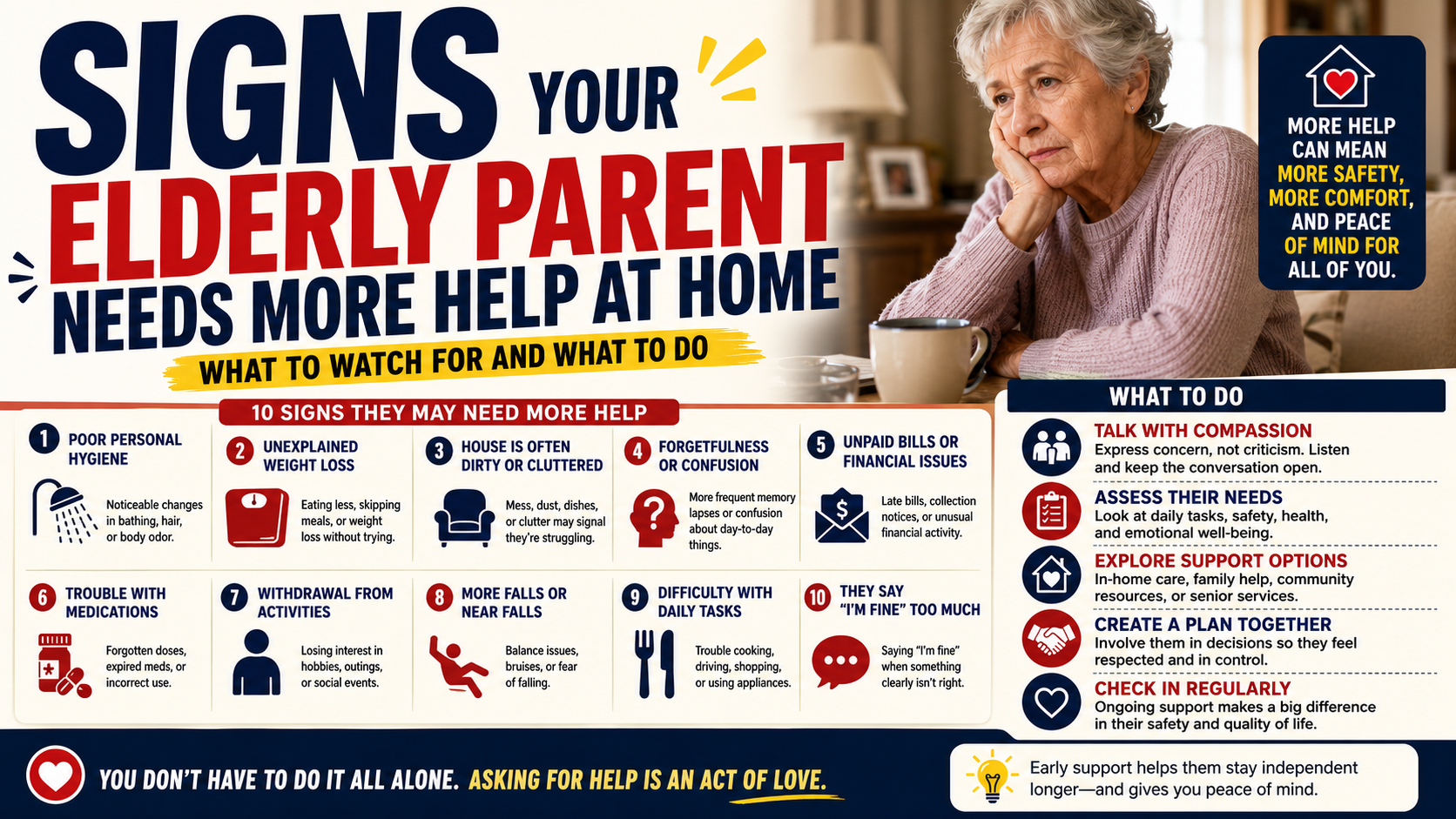
One in three seniors falls every year. Most of those falls are preventable. Here’s the complete evidence-based framework covering every risk factor and every fix.
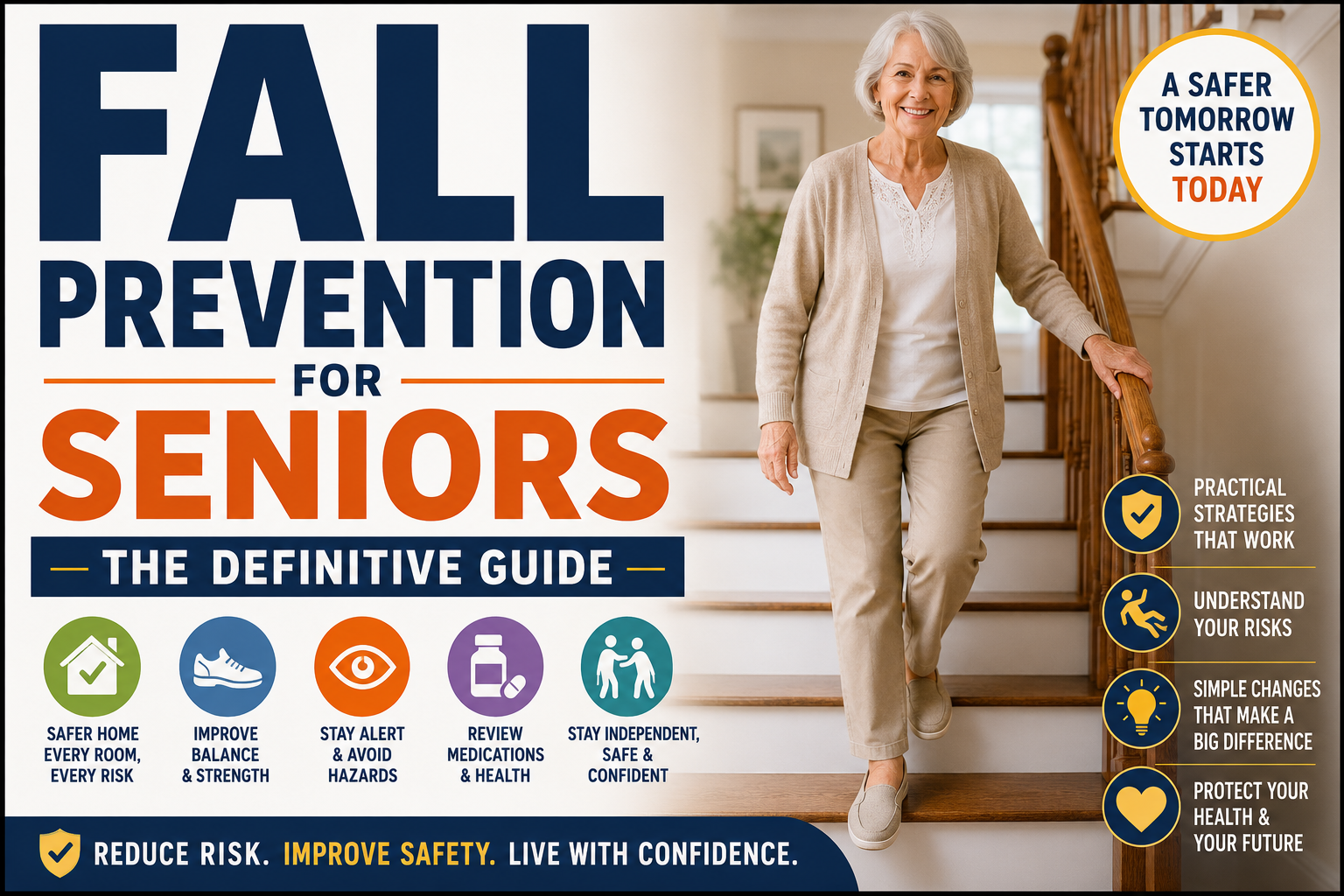
Falls are the leading cause of both fatal and nonfatal injuries in adults over 65. One in three older adults falls every year. Three hundred thousand are hospitalized for hip fractures annually. And the vast majority of these falls happen in homes that have never had a single fall prevention measure put in place.
This is the guide that changes that. Not a list of generic tips. Not a product catalog. A complete, evidence-based fall prevention framework — covering every modifiable risk factor, every environment that matters, every product that actually works, and every medical intervention that produces measurable results.
One hundred articles into building this site, this is the article that pulls everything together.
Why Falls Keep Happening — The Real Causes
Falls in older adults are almost never caused by a single factor. They result from multiple risk factors present simultaneously — each contributing to a cumulative risk that exceeds what any single factor would produce alone. Understanding this is what makes fall prevention a system problem rather than a checklist item.
The most significant modifiable risk factors — the ones that change when addressed — are:
- Medication — the single largest modifiable cause
- Home environment — the most immediately addressable
- Balance and muscle weakness — the most impactful long-term
- Dehydration — the most overlooked
- Vision — the most undertreated
- Footwear — the most invisible
A comprehensive fall prevention approach addresses all of them — not just the most obvious ones. The two-thirds of older adults who don’t fall in any given year aren’t lucky. They’re the ones whose risk factors have been addressed.
Medication — Address This First
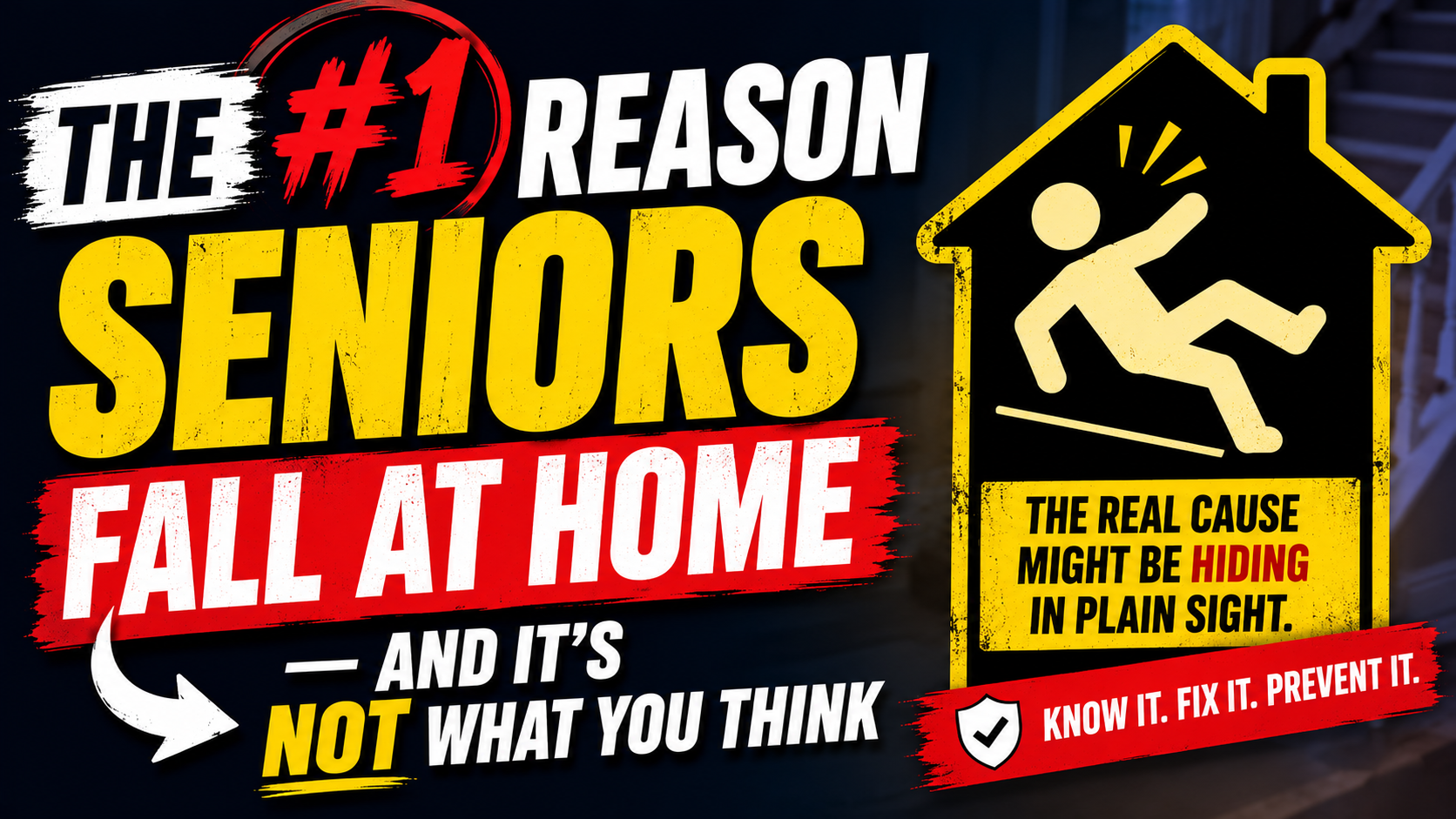
As covered in our guide on the number one reason seniors fall at home — medication is the single most significant modifiable fall risk factor in older adults. Not the environment. Not balance. Medication.
Blood pressure medications cause orthostatic hypotension — the dizziness on standing that produces falls at every getting-up transition. Sleep medications produce residual sedation during nighttime bathroom trips. Diuretics increase nighttime bathroom frequency. Each trip to the bathroom at 2am is a fall opportunity. Antidepressants and antipsychotics affect vestibular function and blood pressure regulation.
The intervention: request a falls-focused medication review from the prescribing physician using those exact words. Ask specifically about timing adjustments — taking blood pressure medications in the morning rather than evening, taking diuretics earlier in the day to reduce nighttime trips. Timing adjustments frequently reduce fall risk without changing medications at all.
Home blood pressure monitoring identifies orthostatic hypotension — readings taken sitting then immediately standing show the drop that may be causing dizziness and falls.
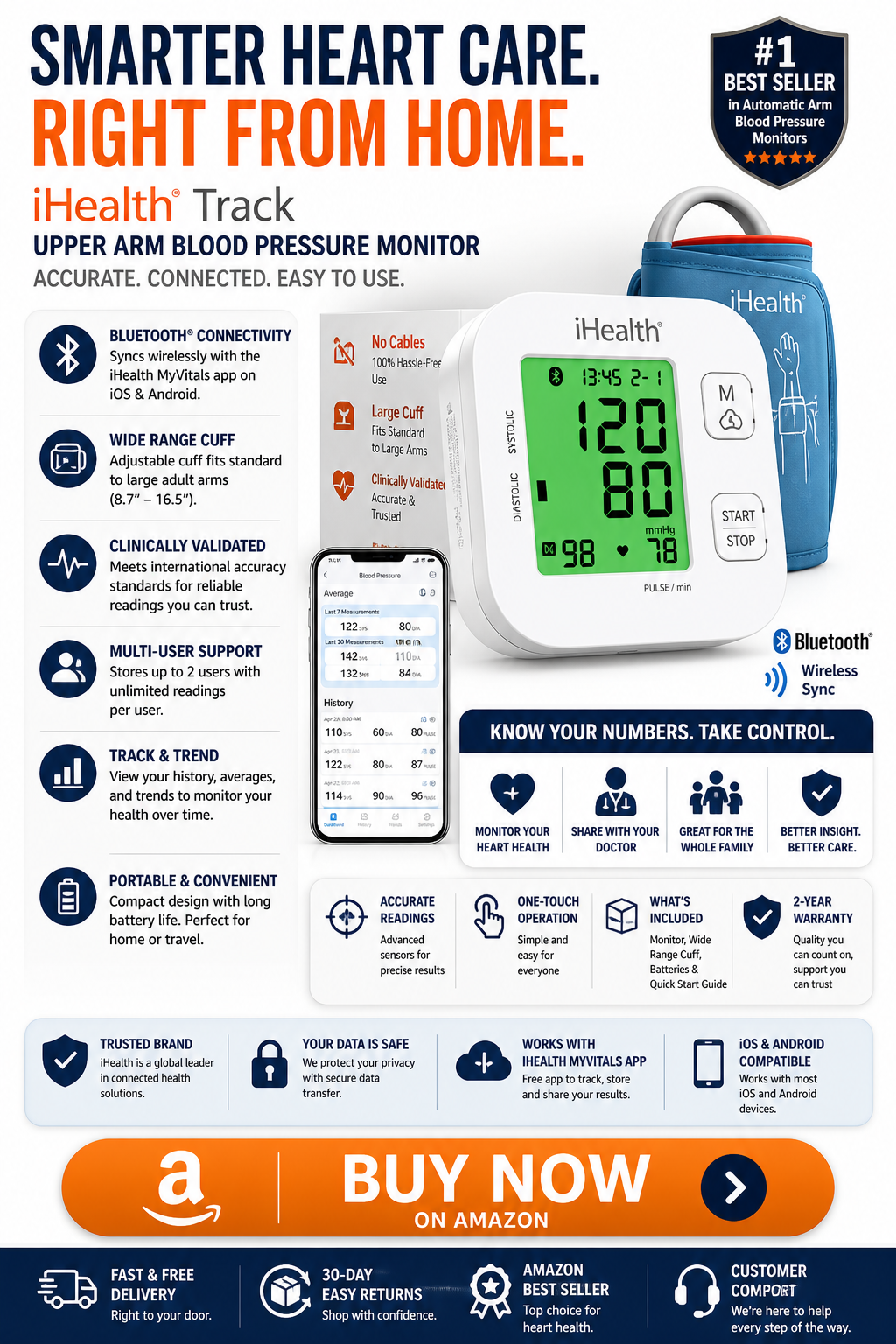
→ Get the iHealth Blood Pressure Monitor on Amazon
The Bathroom — The Highest-Risk Room
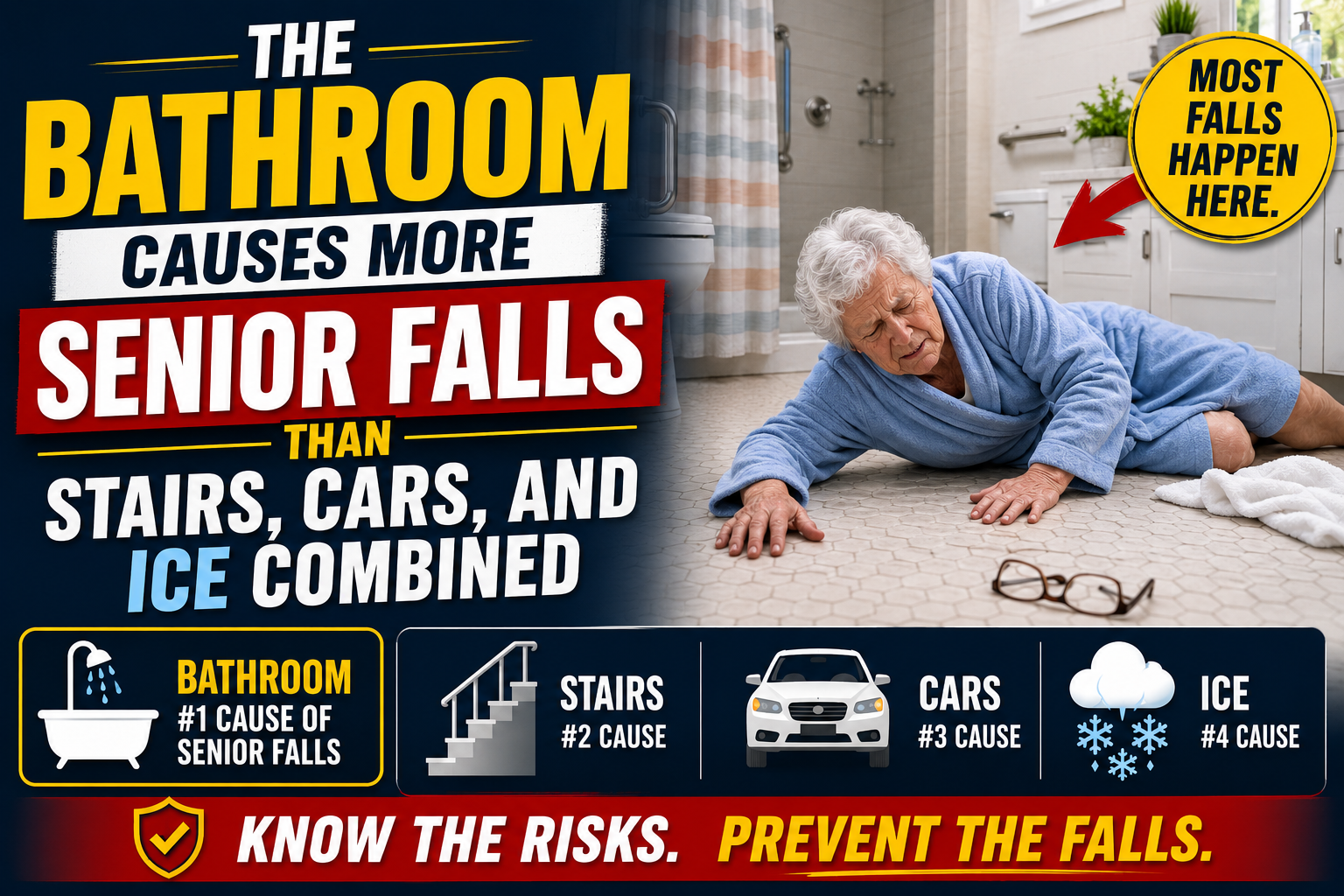
As covered in our guide on the bathroom causes more senior falls than stairs, cars, and ice combined — approximately 80 percent of falls in older adults occur in the bathroom. Wet surfaces, one-legged transitions, hard floors, and confined spaces combine into the highest daily fall risk environment in any home.
Grab Bars — The Highest-Impact Single Modification
A correctly positioned grab bar at the shower entry is the most impactful fall prevention modification available in any home. Inside the shower, on the adjacent wall, vertical or at 45 degrees, 33 to 48 inches from the shower floor. This bar is there when the hand reaches for it during the entry motion — the one-legged weight transfer that is the highest-risk moment of every shower.
A second bar on the shower back wall at hip height. A third adjacent to the toilet for the sit-to-stand that happens multiple times every day. Three bars. Three transitions. The three highest-risk movements in the highest-risk room addressed permanently.
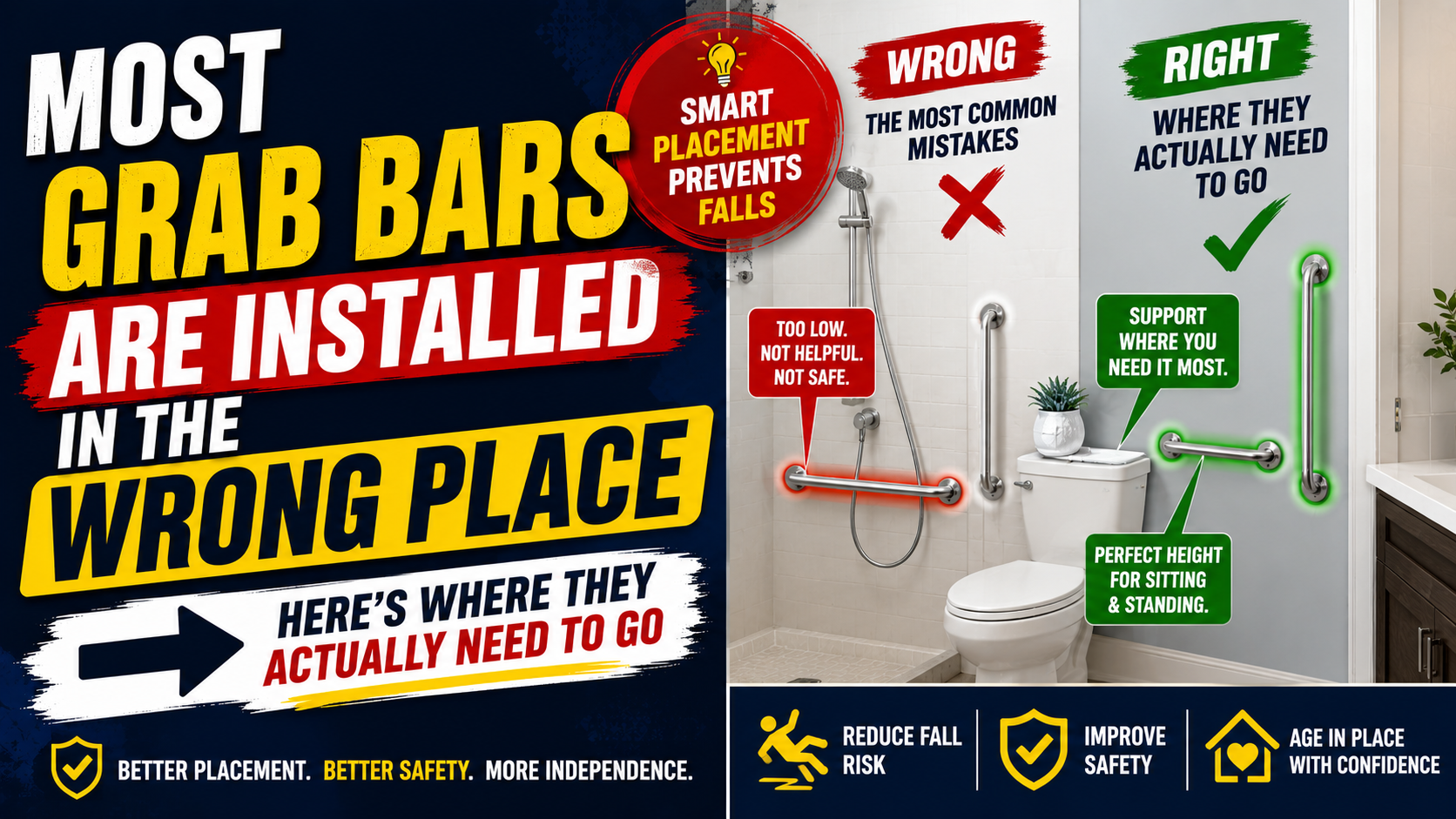
As covered in our guide on most grab bars are installed in the wrong place — position is the variable that determines whether a bar catches a fall. Our installation guide at how to install grab bars for seniors covers the complete DIY process.
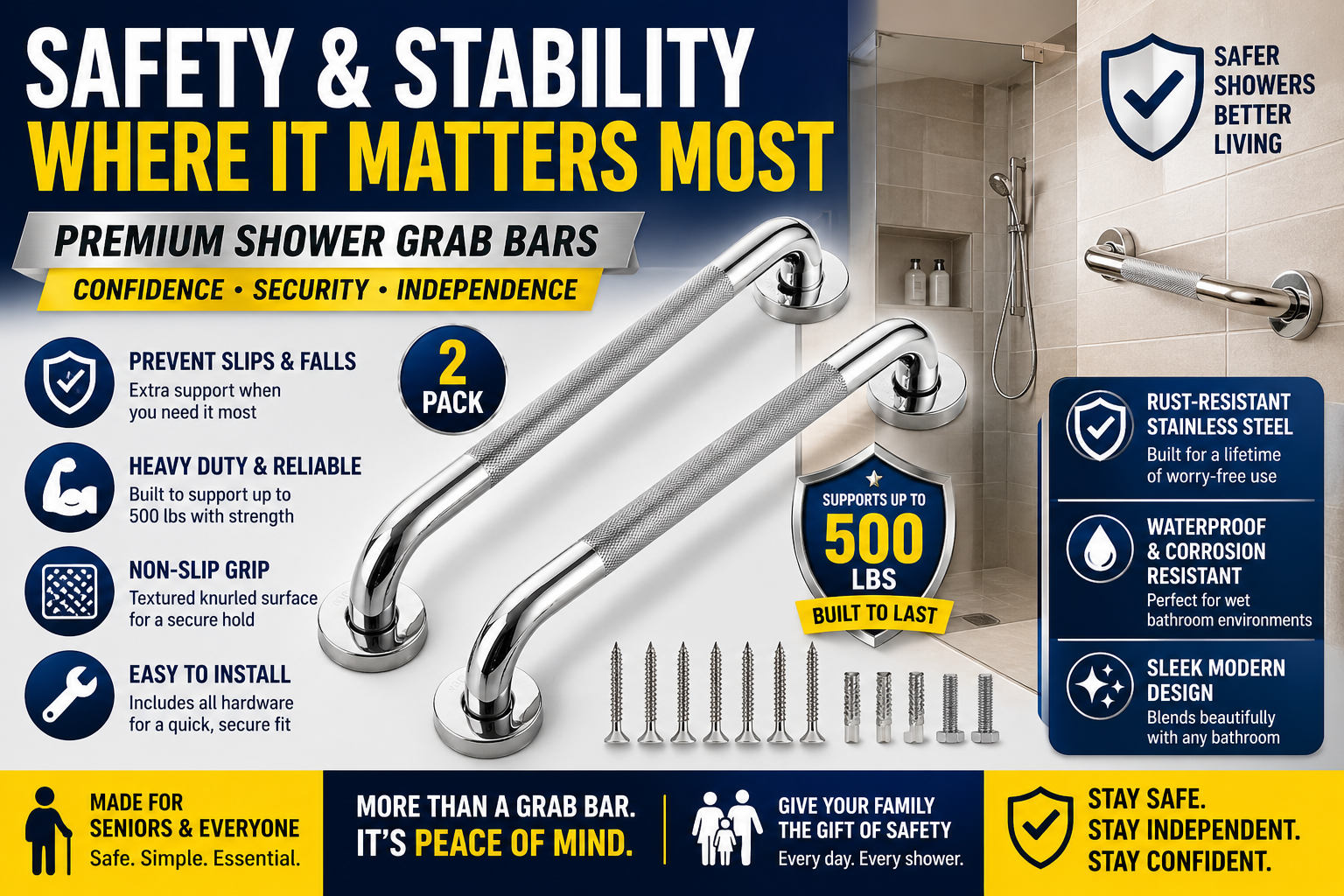
→ Get the 2-Pack Grab Bars on Amazon
Toilet Safety Rails
The toilet transfer — sitting and standing — happens multiple times every day and requires significant leg strength from a low surface without support. Toilet safety rails with bilateral armrests transform this from a fall-risk movement into a supported one. Tool-free installation. Immediate daily impact.
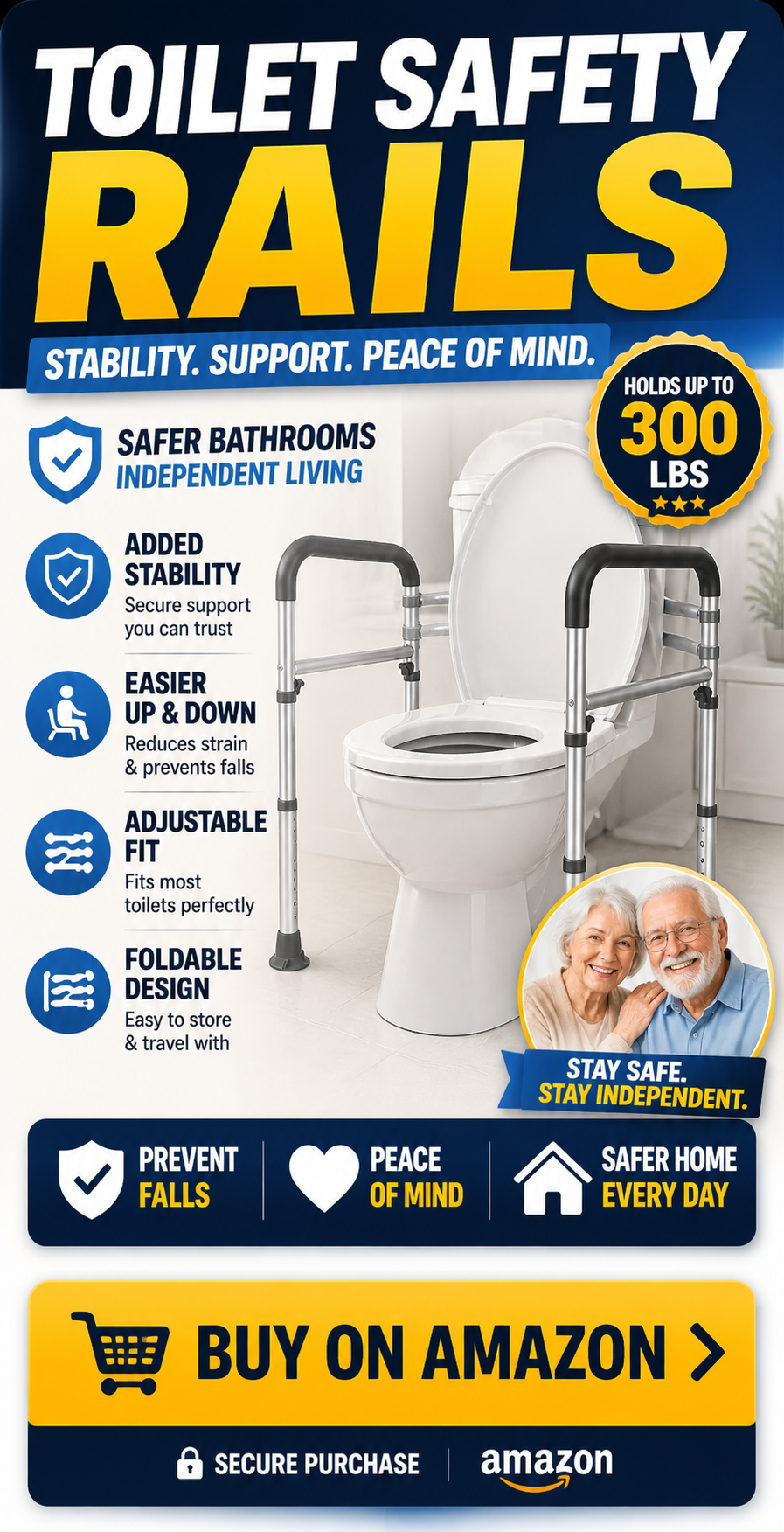
→ Get the Toilet Safety Rails on Amazon
Non-Slip Bath Mat
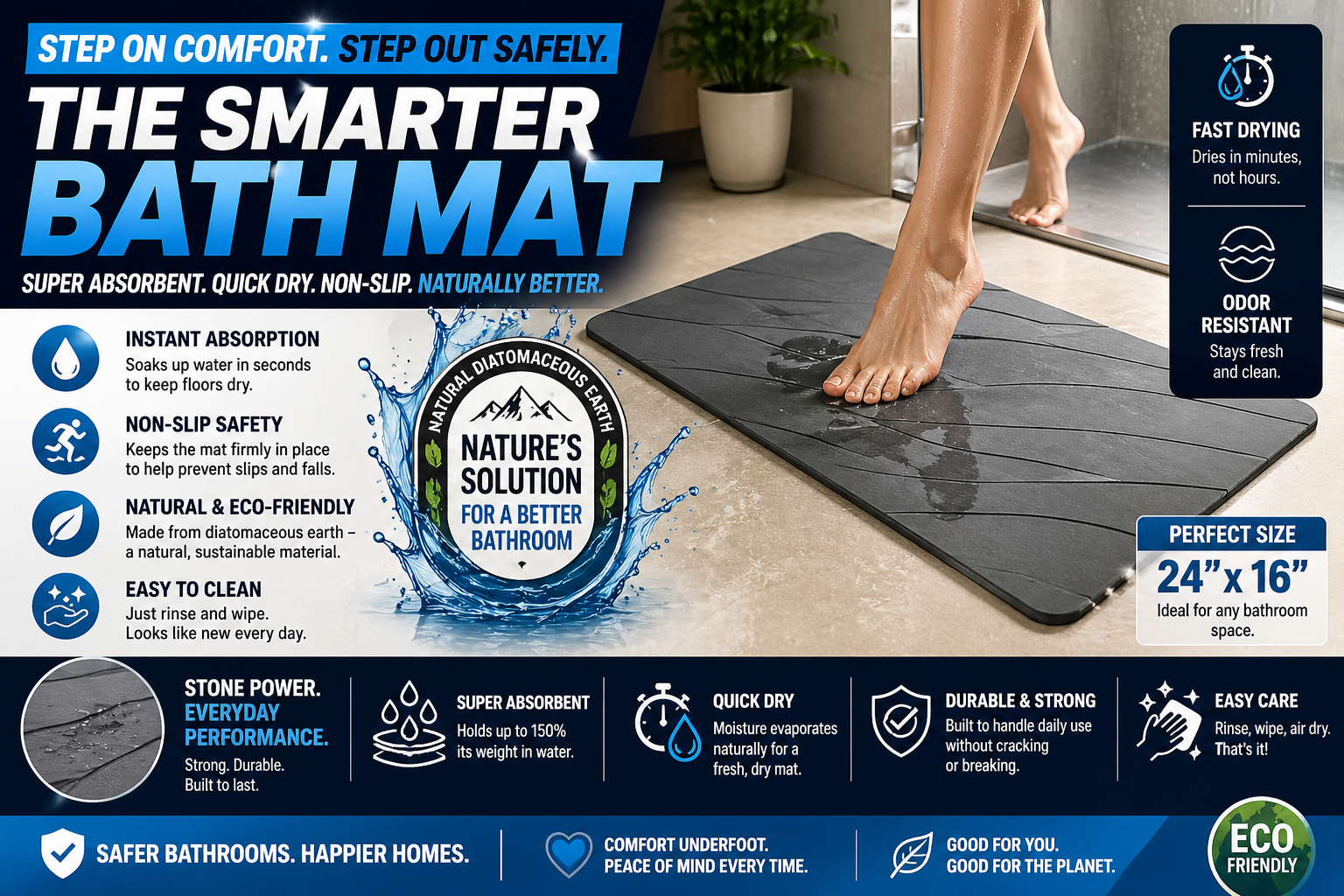
The shower exit — wet feet on the bathroom floor — is one of the most consistent bathroom fall mechanisms. A diatomaceous earth stone mat that absorbs water instantly and never shifts under load addresses this specifically. Our review of the best non-slip bath mat for seniors covers why most mats fail this transition.
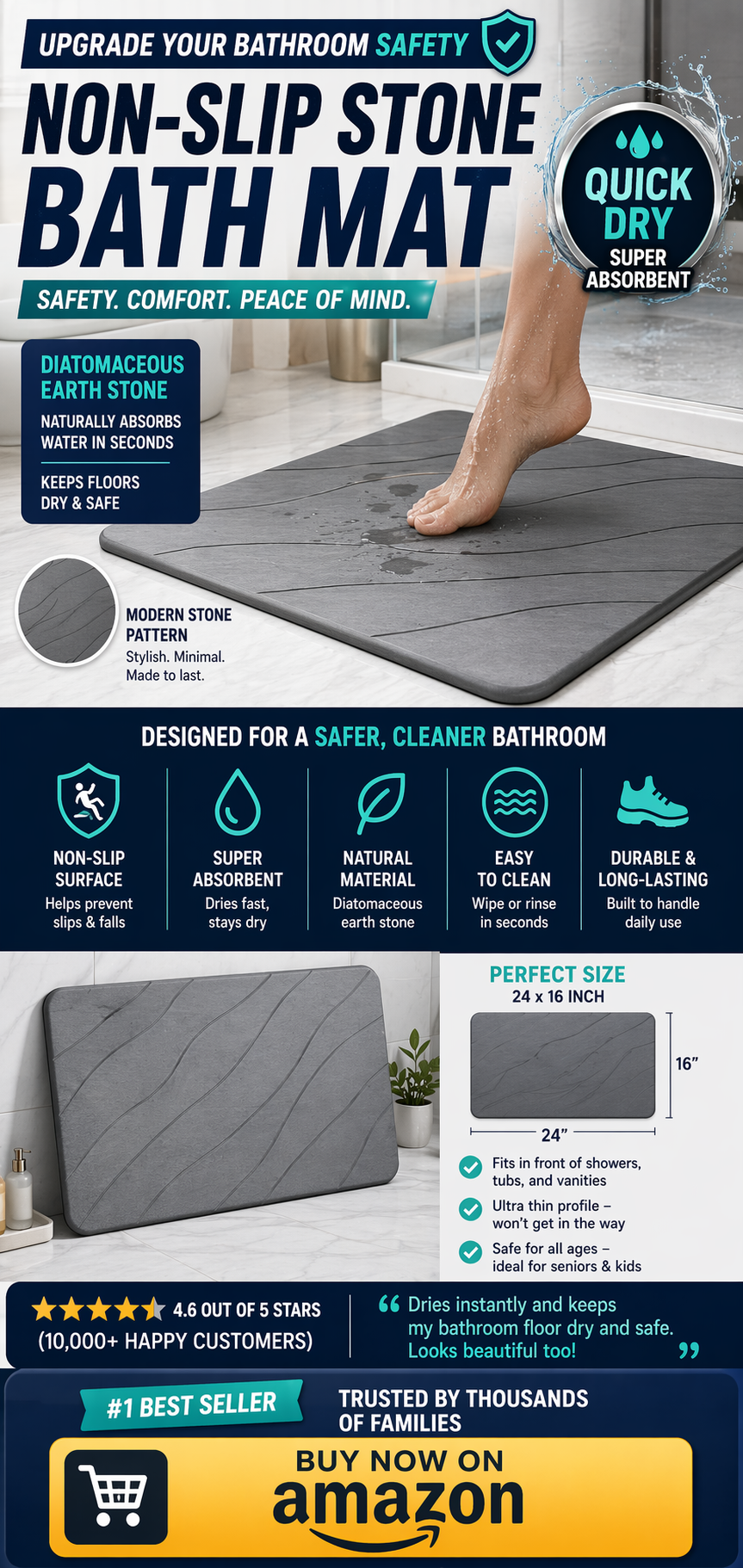
→ Get the Non-Slip Bath Mat on Amazon
Shower Chair
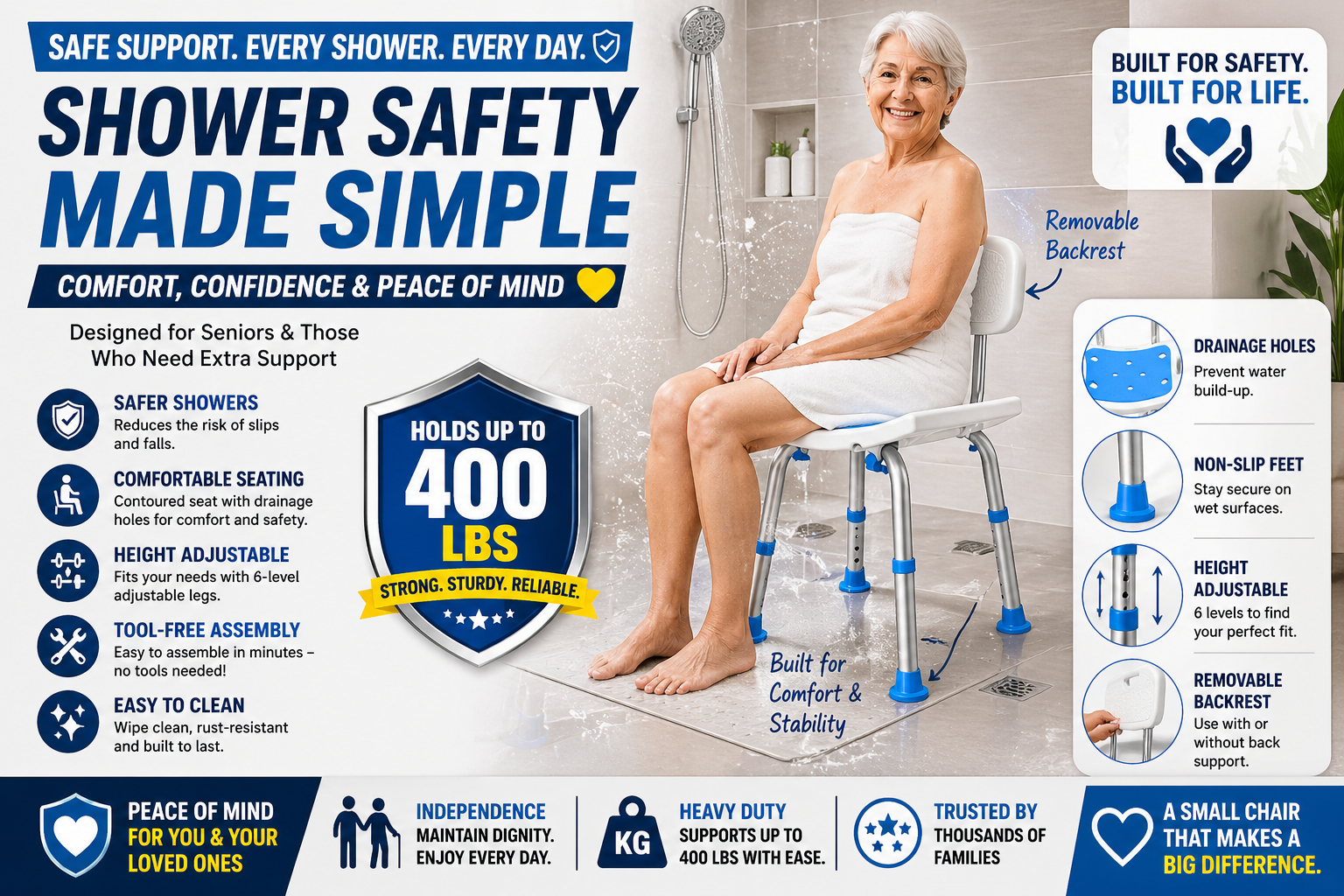
Standing in a wet shower is a daily sustained balance challenge that a shower chair eliminates entirely. Seated showering requires a fraction of the balance demanded by standing. Most people who try it prefer it. Our review of the best shower chair for seniors covers the specific product we recommend.
→ Get the Shower Chair on Amazon
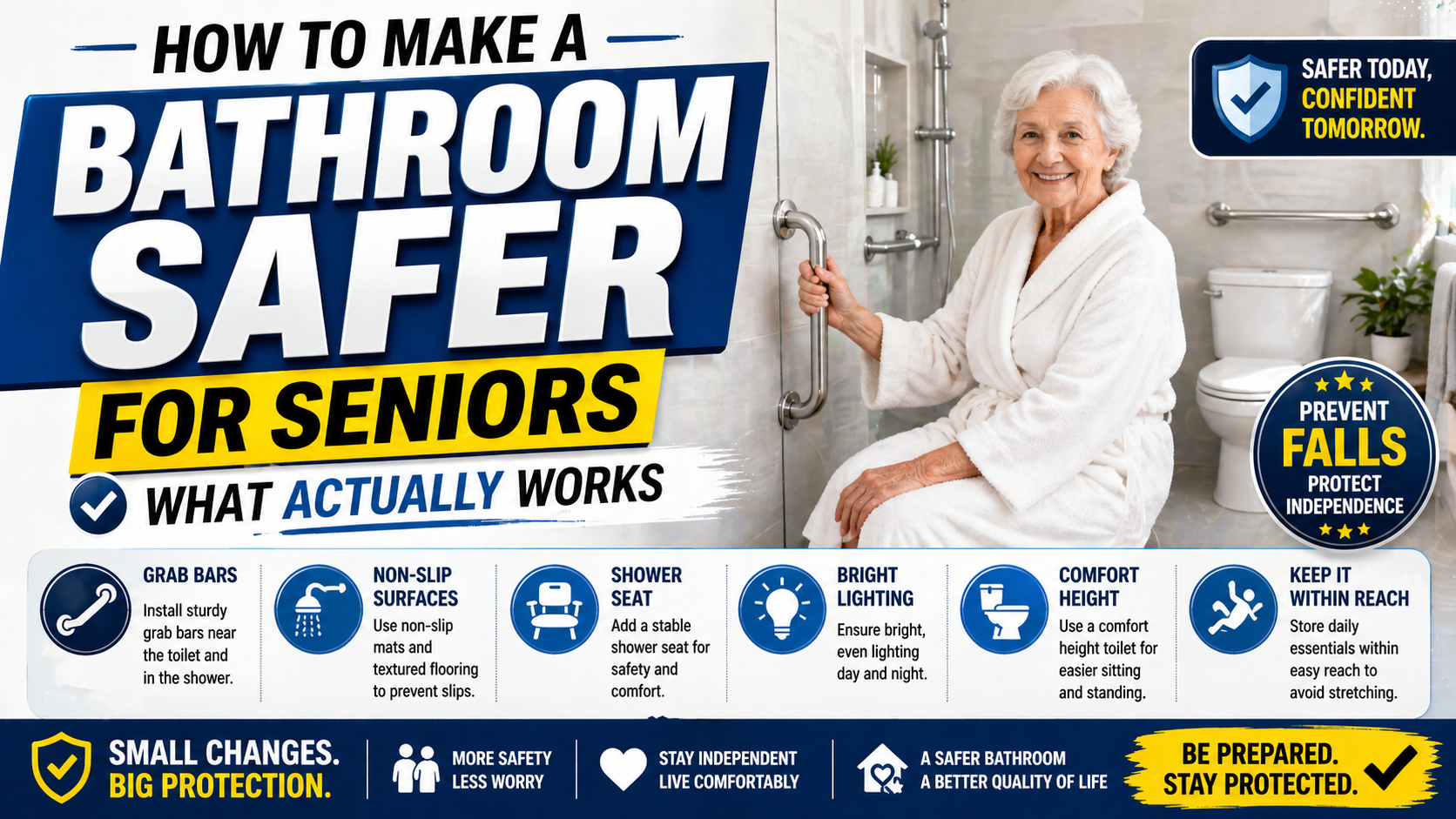
For the complete bathroom picture our guide on how to make a bathroom safer for seniors covers every modification worth making.
The Bedroom — The Second Priority
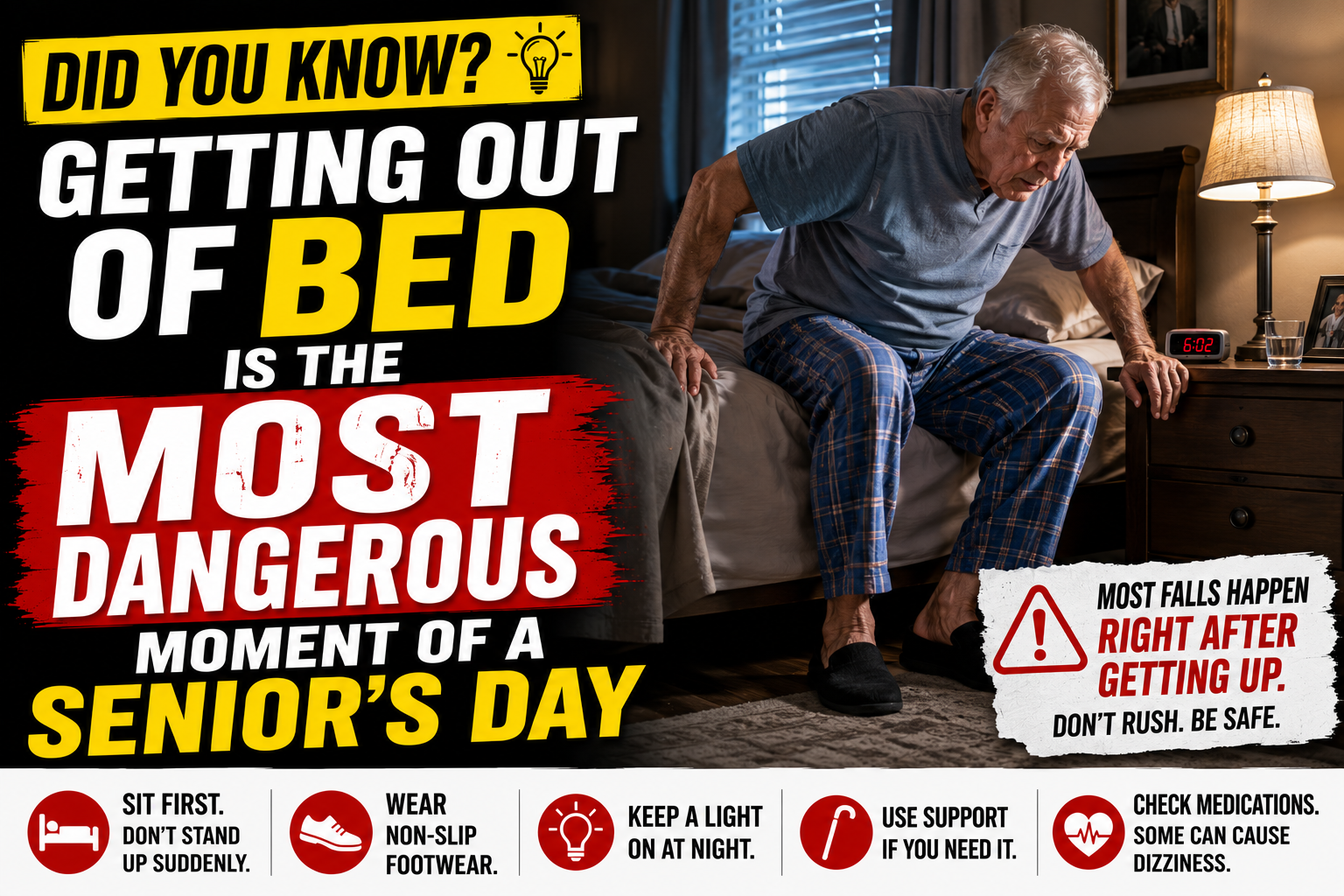
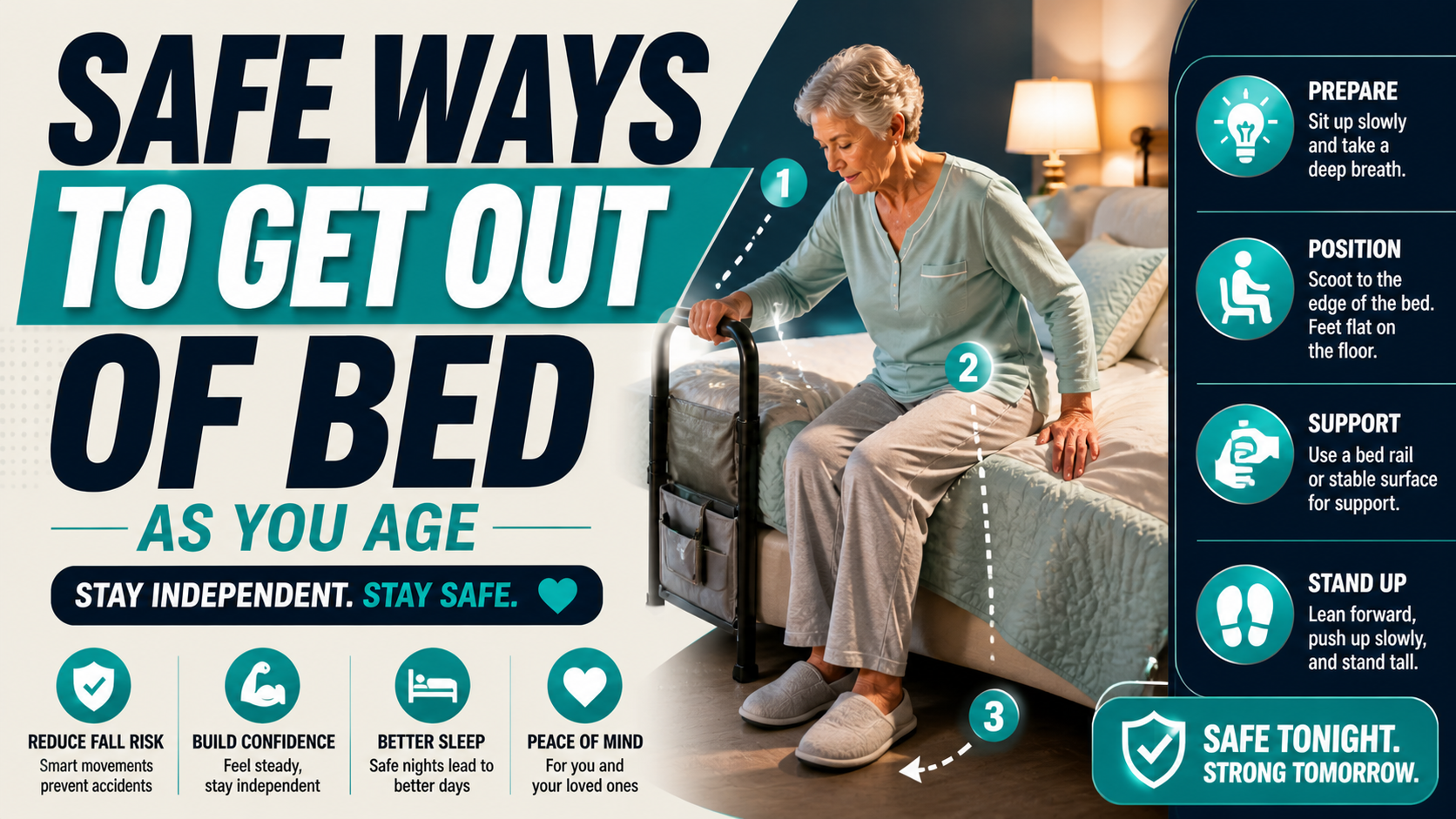
As covered in our guide on getting out of bed is the most dangerous moment of a senior’s day — the morning getting-up transition combines orthostatic hypotension, sleep inertia, and mattress instability into the highest-risk daily moment outside the bathroom. Every nighttime bathroom trip replicates this scenario in darkness and urgency.
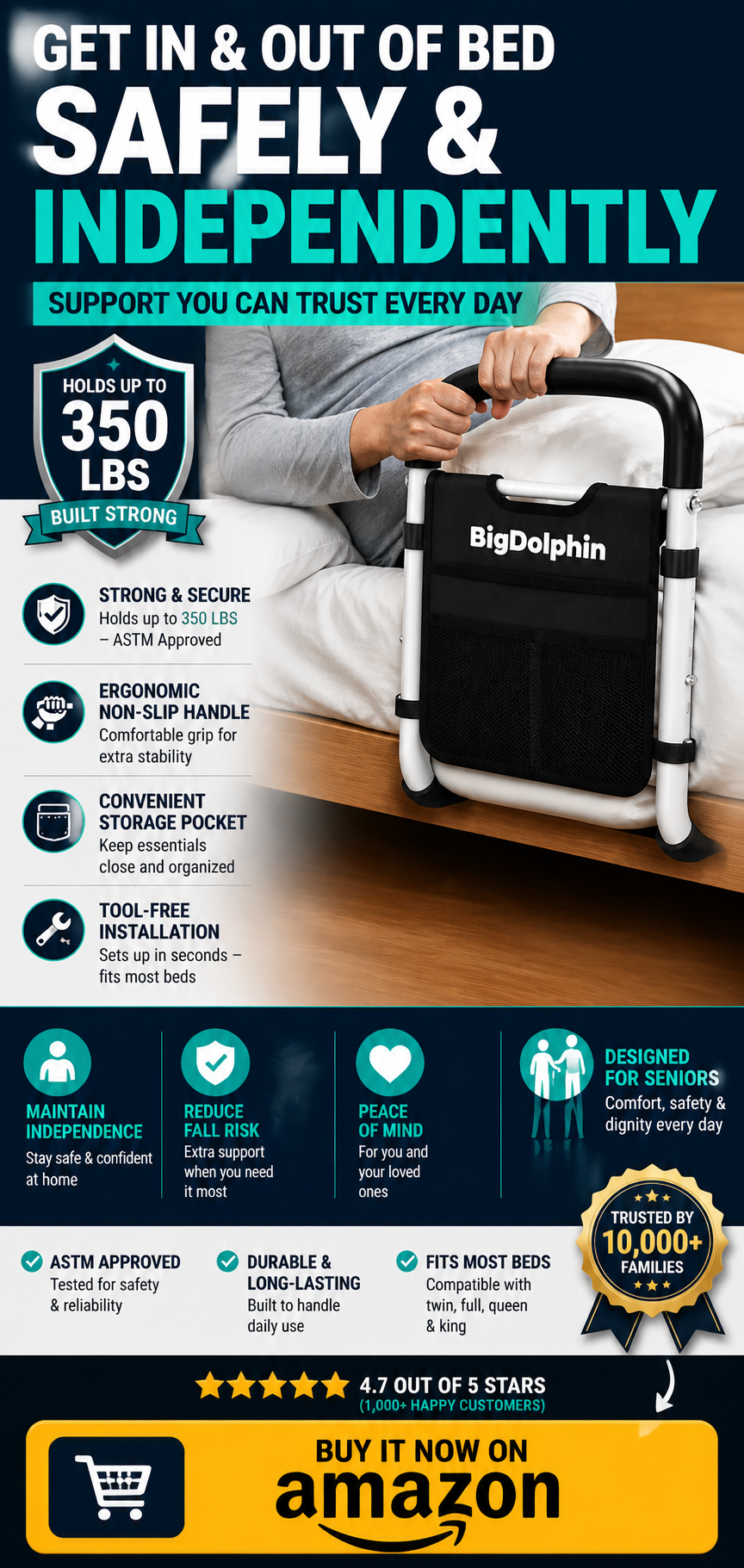
Bed Rail
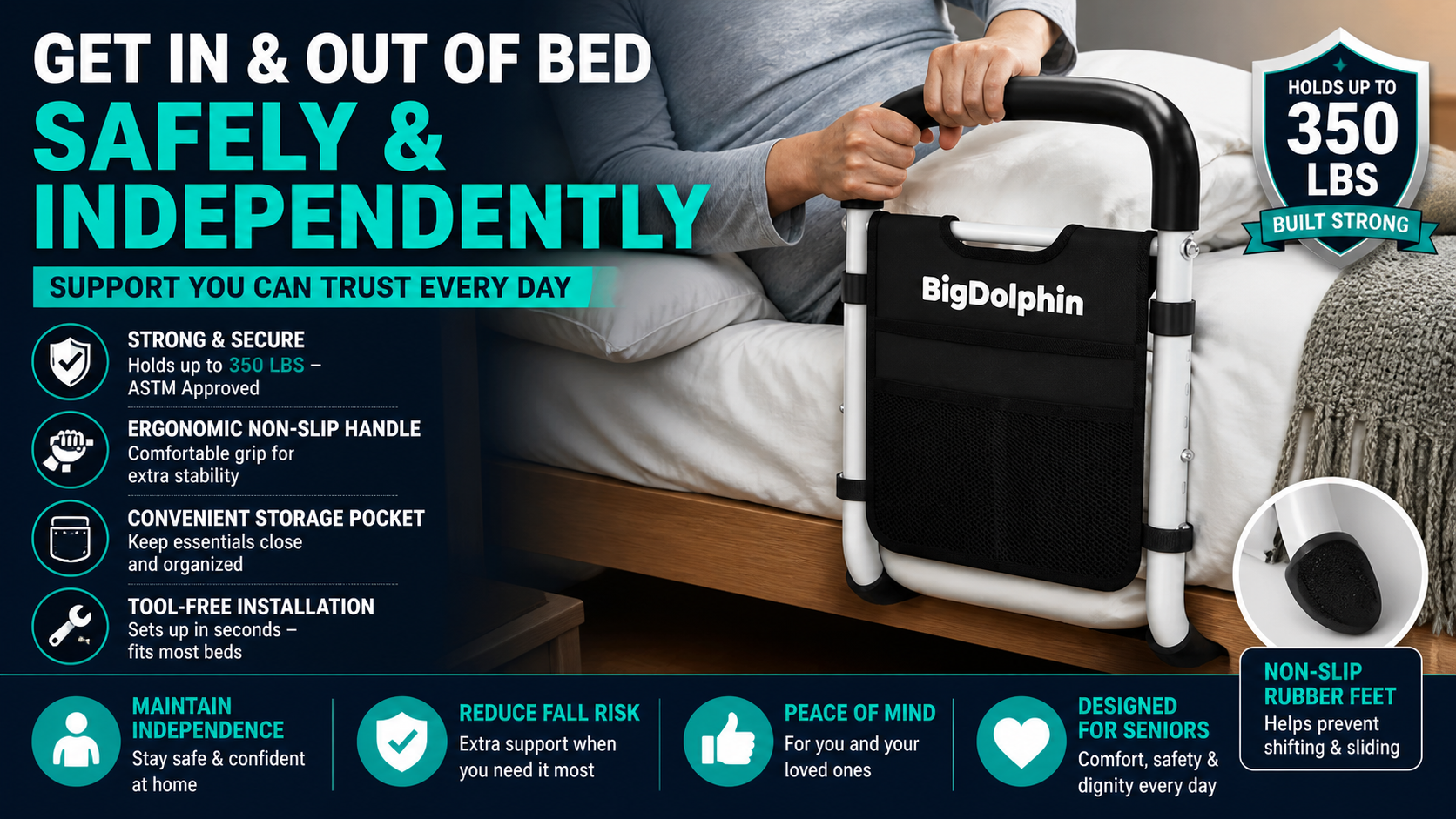
A firm load-rated handle on the exit side of the bed provides push-off support during the sit-to-stand and stabilization during the dizziness window immediately after standing. ASTM certified. No tools for installation. Our review of the best bed rail for seniors covers the specific option we recommend.
Night Lights — The Complete Path
Auto-on night lights that activate immediately when power drops in bedroom, hallway, and bathroom ensure the entire nighttime bathroom path is lit before it’s navigated — not after a switch is found in the dark. Three units, under $50, permanent daily protection.
→ Get the Auto-On Night Lights 3-Pack on Amazon
Our guide on senior bedroom safety tips for nighttime falls covers every bedroom modification worth making.
Footwear — The Daily Protection Nobody Discusses
As covered in our guide on best shoes for seniors to prevent falls — footwear is the fall prevention measure applied on every step of every day, and the one most consistently left unaddressed while grab bars and night lights get the attention.
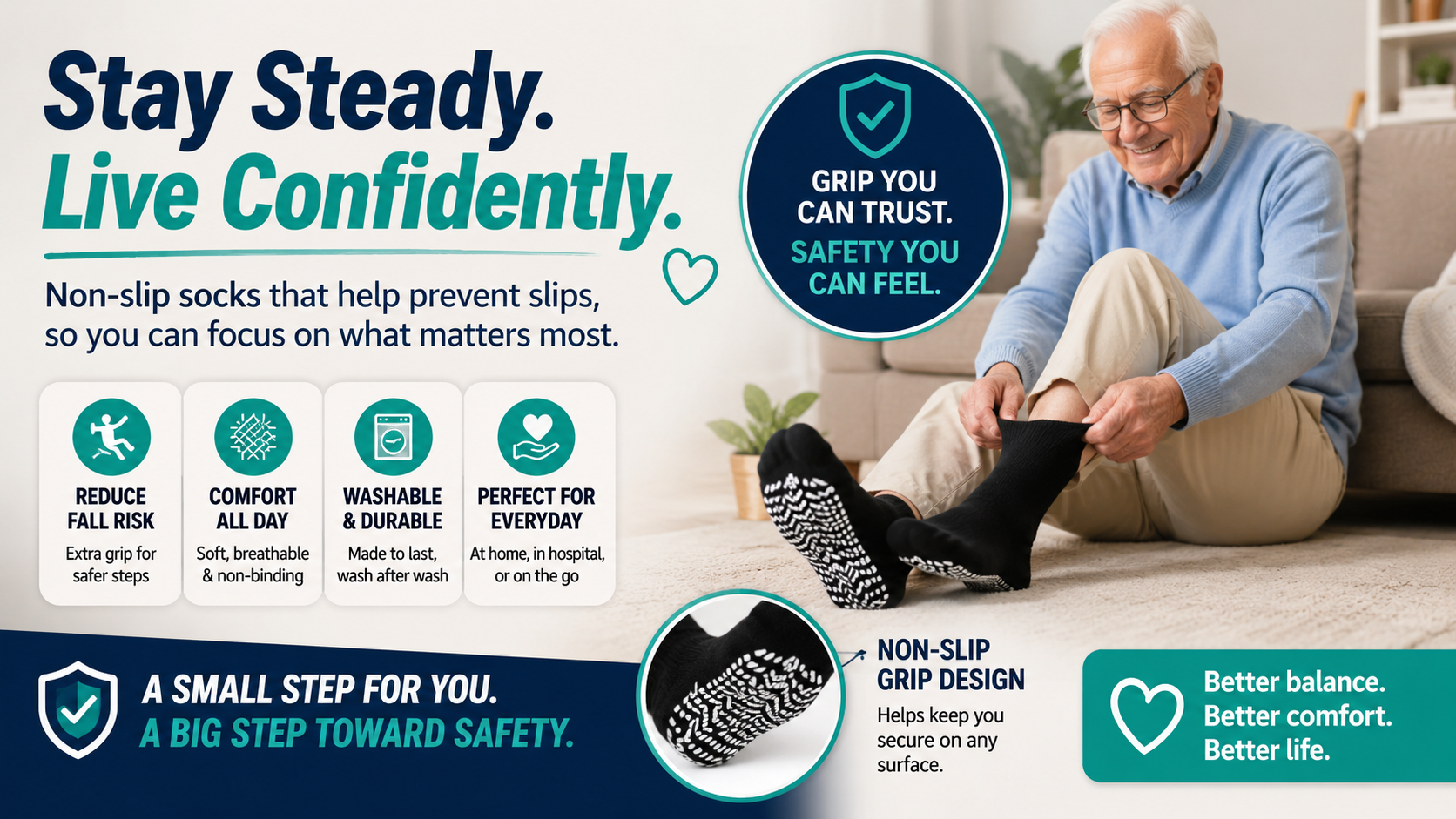
Standard socks on smooth floors provide minimal traction — a continuous daily fall risk on every step in every room. Non-slip grip socks with rubber sole patterns address this for the hours when shoes aren’t being worn.
→ Get the Non-Slip Grip Socks on Amazon
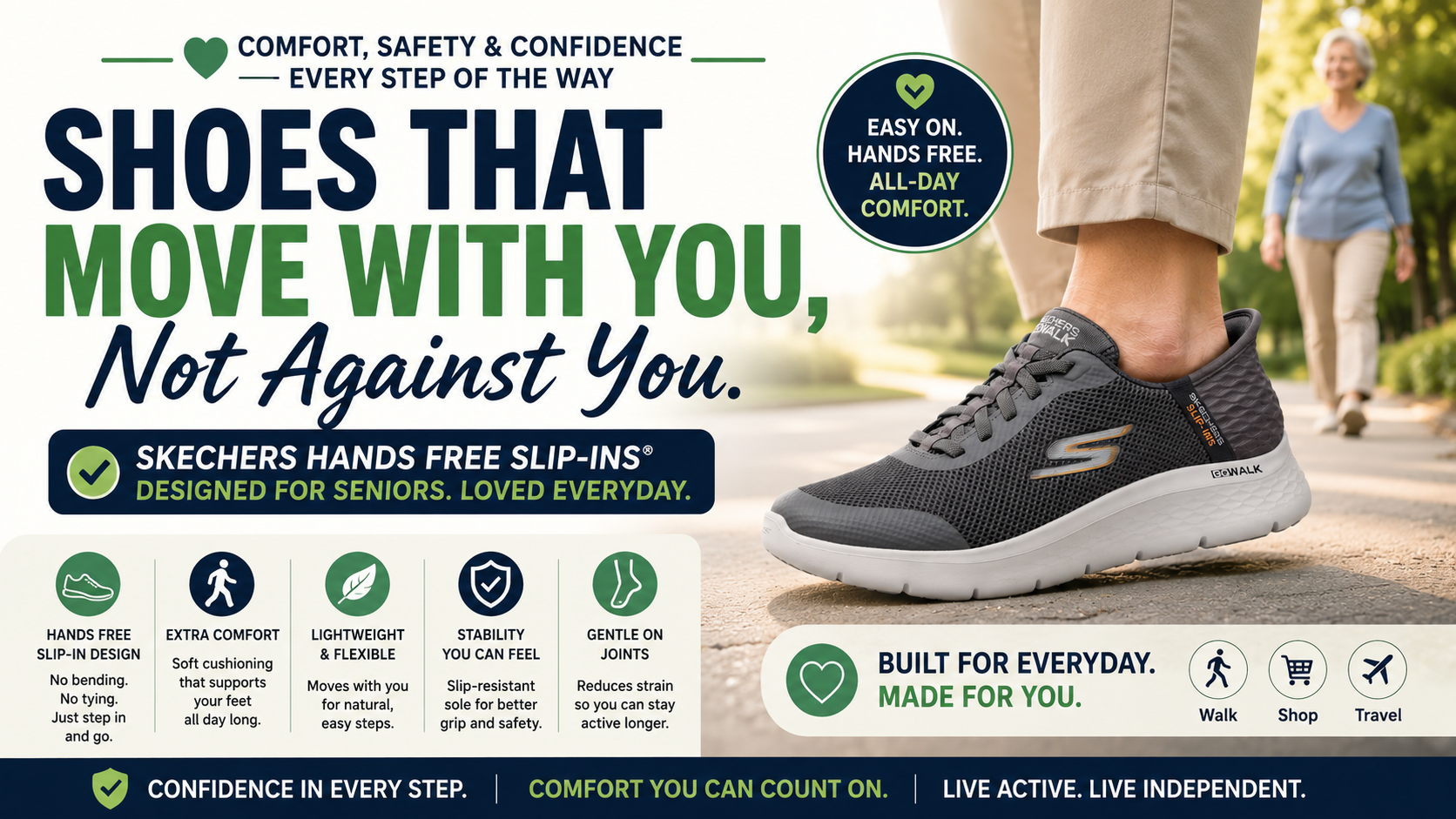
For all-day indoor wear proper shoes with non-slip rubber soles and secure heel hold address the traction deficit completely. Our reviews of the best slip-on shoes for senior men and best slip-on shoes for senior women cover the hands-free options that make daily wearing practical.
Dehydration — The Overlooked Risk
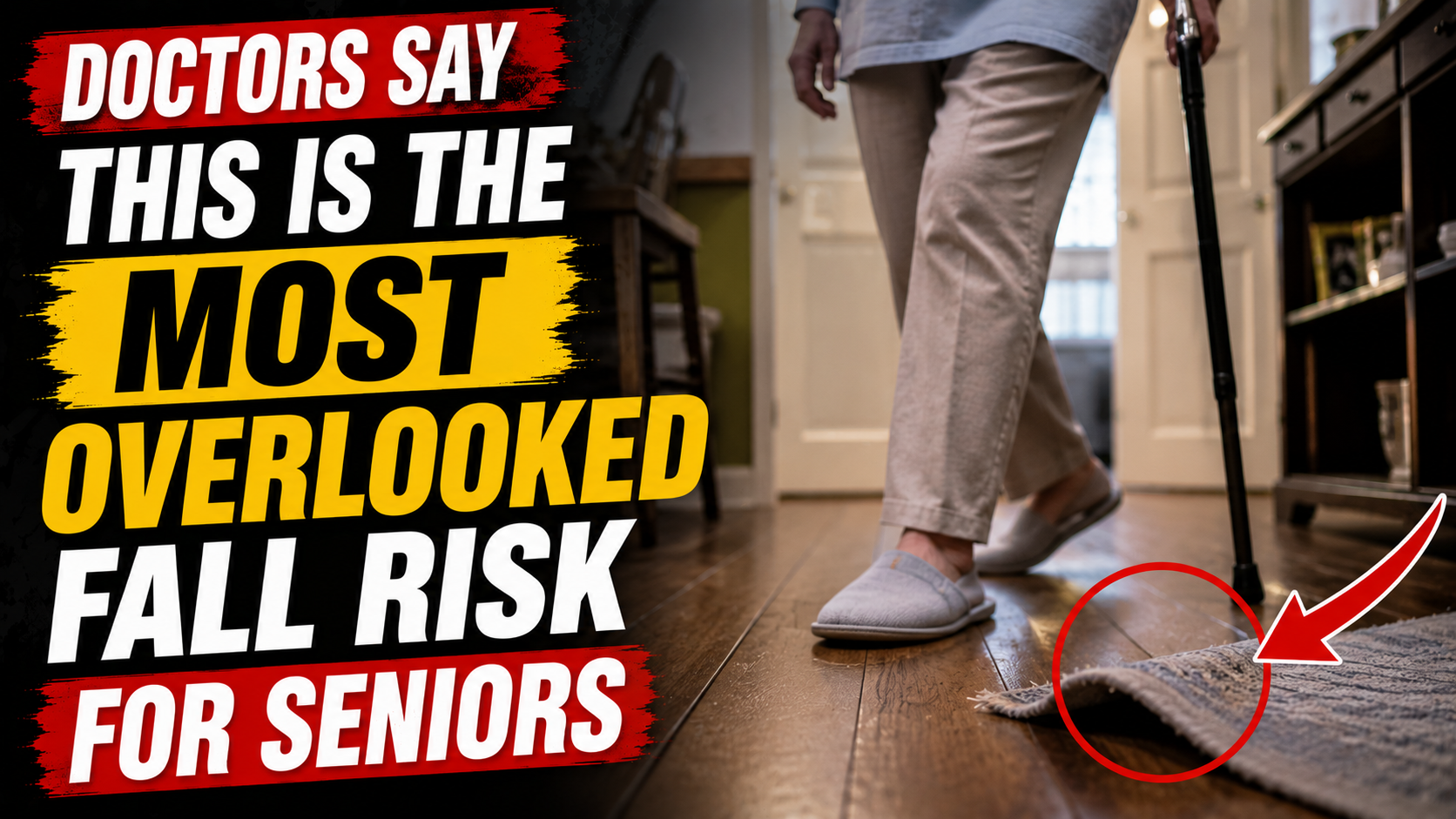
As covered in our guide on the most overlooked fall risk for seniors — dehydration reduces blood volume and produces orthostatic hypotension through the same mechanism as blood pressure medications. The thirst mechanism becomes less reliable with age meaning consistent fluid intake — not dependent on thirst — is a genuine fall prevention intervention that most families never consider.
Adequate hydration throughout the day. A glass of water before bed. Urine color as the daily hydration check — pale yellow is adequate, dark yellow means drink more.

Balance and Strength — The Long Game
Exercise targeting balance and leg strength reduces fall rates by 20 to 30 percent in research studies — the highest-evidence single intervention in fall prevention. Tai Chi specifically shows 30 to 40 percent reductions across multiple high-quality trials.
Physical therapy provides a personalized program addressing specific individual deficits — request a referral specifically for fall prevention after any fall history. Medicare covers it when fall history is documented.
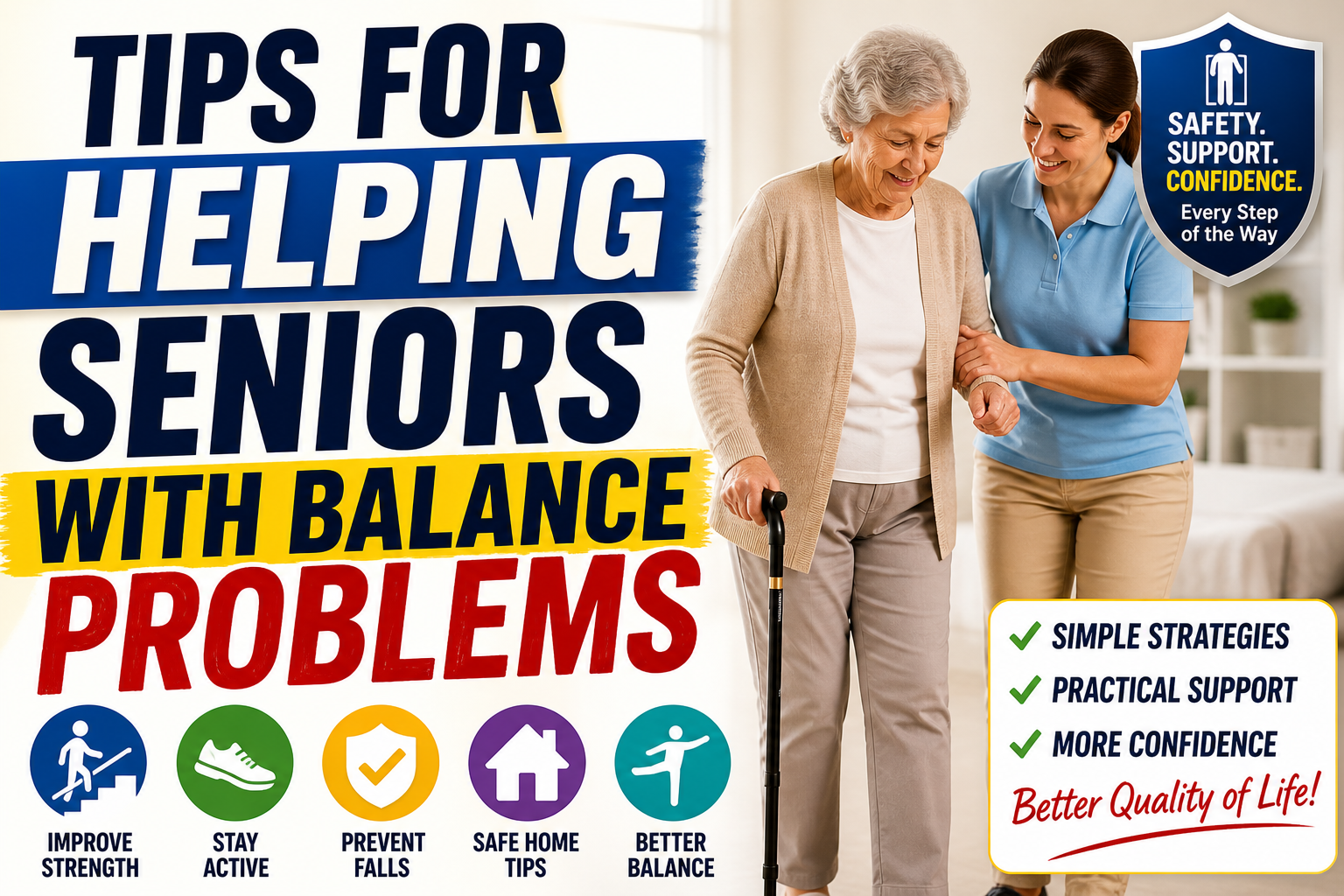
Our guide on tips for helping seniors with balance problems covers the exercise interventions with the strongest evidence for real-world fall prevention.
Vision — The Undertreated Factor
The visual system is one of three systems the brain uses to maintain balance. An outdated glasses prescription is a genuine fall risk factor — not just a visual comfort issue. Annual vision checks and current prescriptions are fall prevention interventions.
Bifocal and progressive lens wearers have a specific stair hazard — the reading portion of the lens distorts downward gaze used for stair navigation. Single-vision distance glasses for stair use specifically may be recommended for high-risk individuals.
Mobility Equipment — Extending Safe Movement
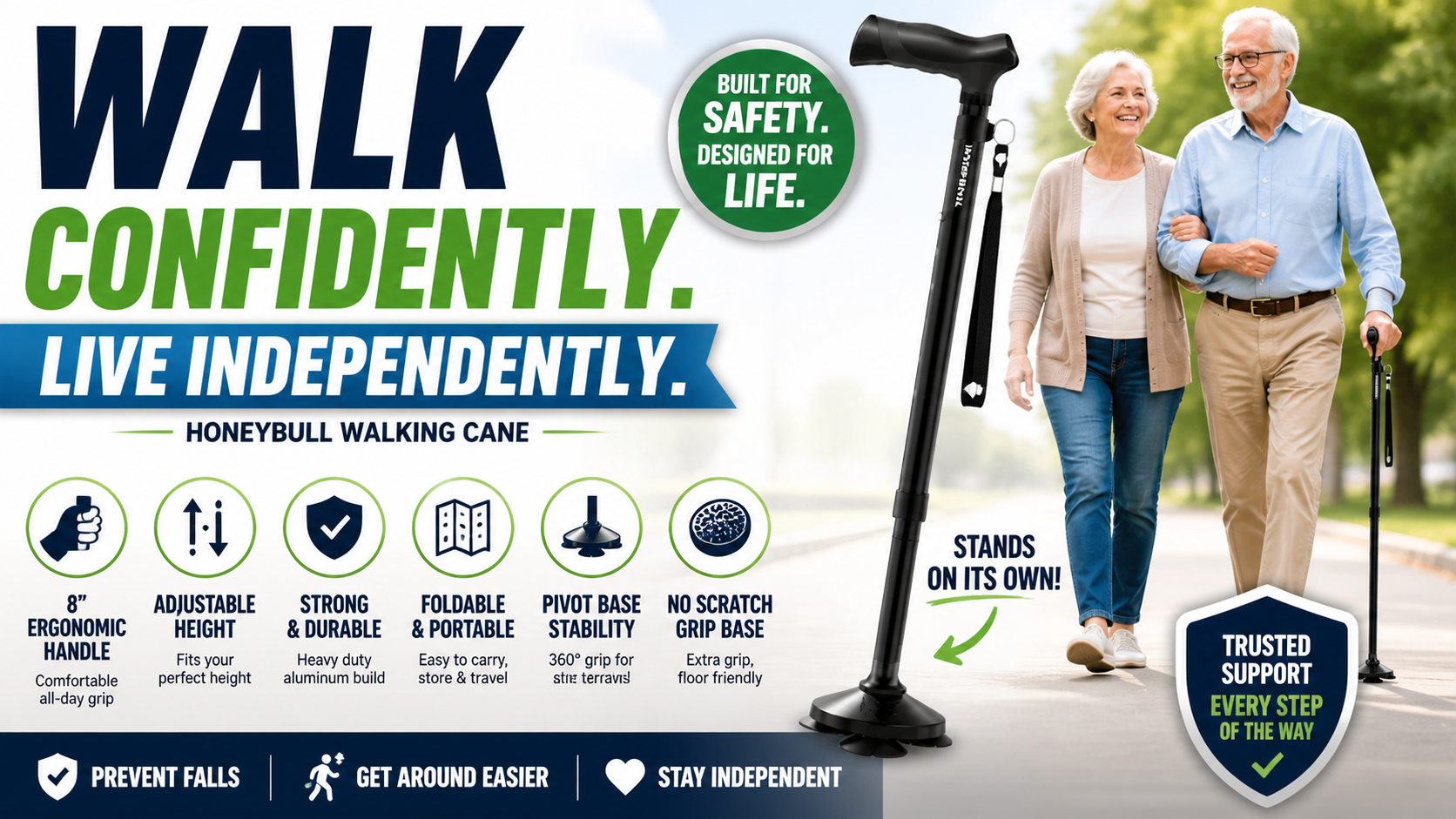
For anyone whose balance has changed enough to notice — a walking cane used proactively provides a third point of ground contact that meaningfully improves stability. Our review of the best walking cane for seniors covers the free-standing foldable option.
→ Get the HONEYBULL Walking Cane on Amazon
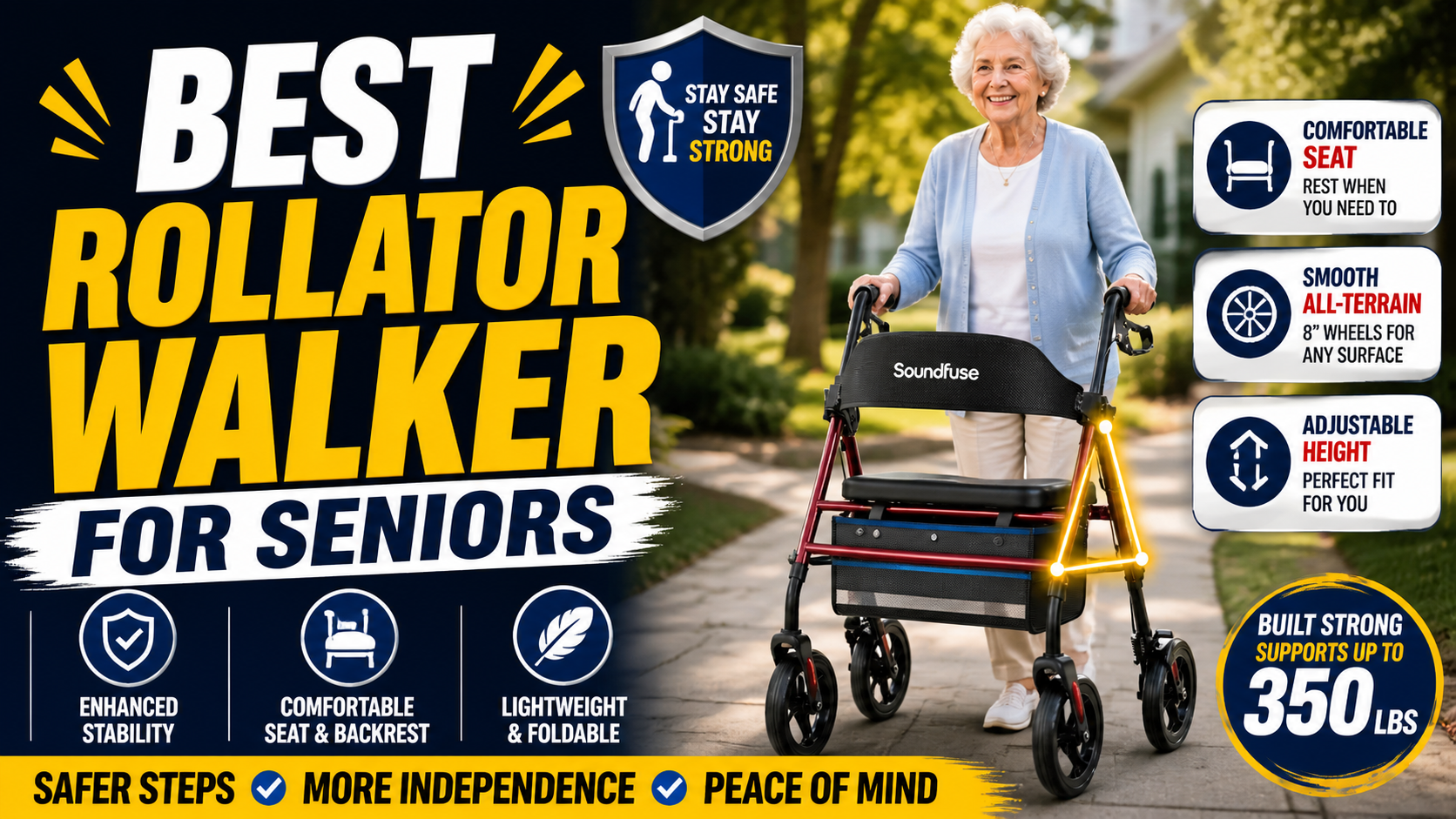
For bilateral support needs and anyone who needs rest breaks during walks — a rollator walker with a seat extends independent mobility significantly. Our review of the best rollator walker for seniors covers the all-terrain option.
→ Get the SOUNDFUSE Rollator Walker on Amazon
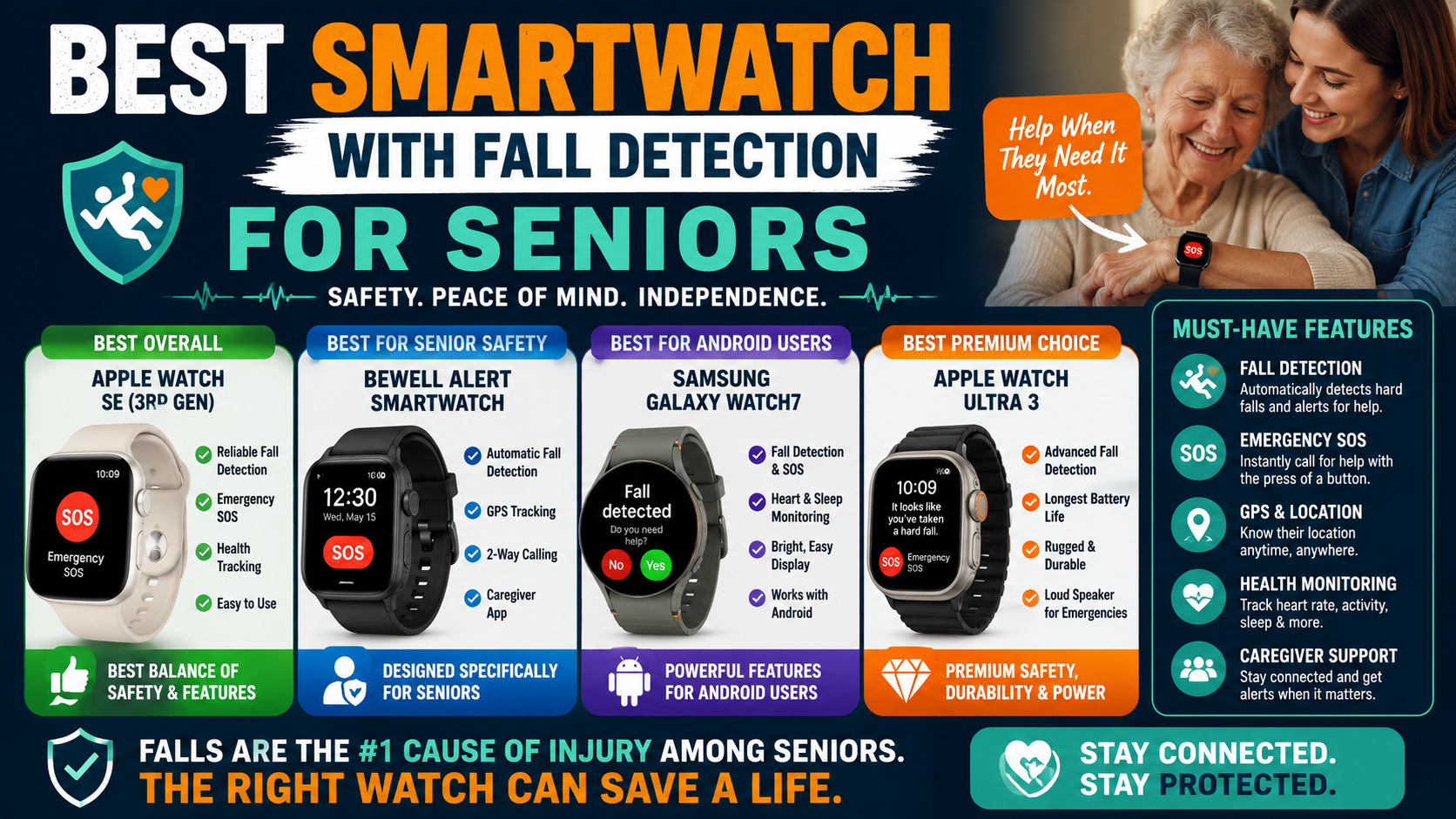
The Safety Net — Automatic Fall Detection
Every prevention measure above reduces how often falls happen. None reduces it to zero. For anyone living alone the most important additional question is: if a fall occurs, how long before someone knows?
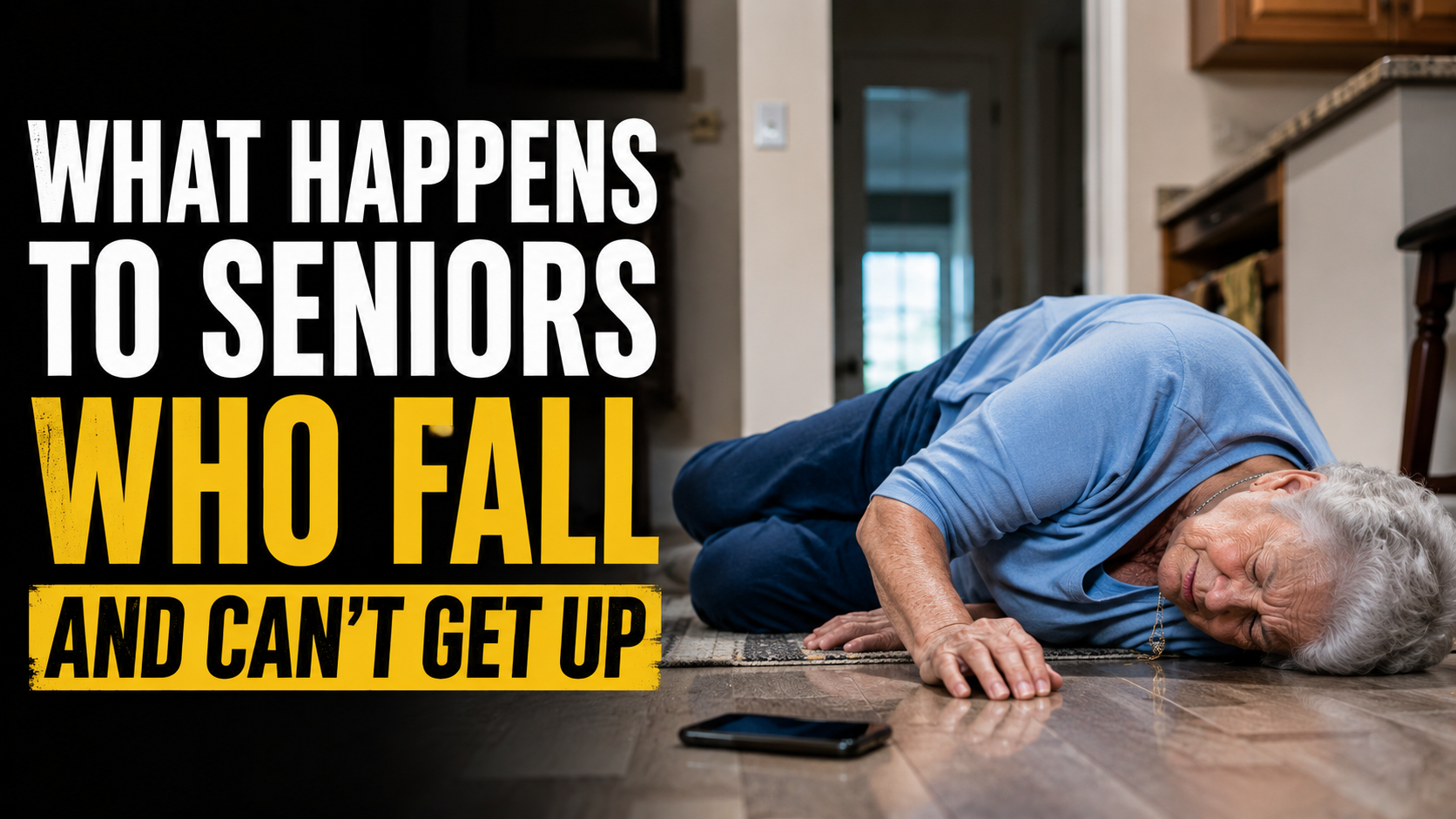
As covered in our guide on what happens to seniors who fall and can’t get up — physiological consequences begin within 30 minutes on a cold floor. The gap between a fall and discovery determines outcomes more than the fall injury itself for many serious fall scenarios.
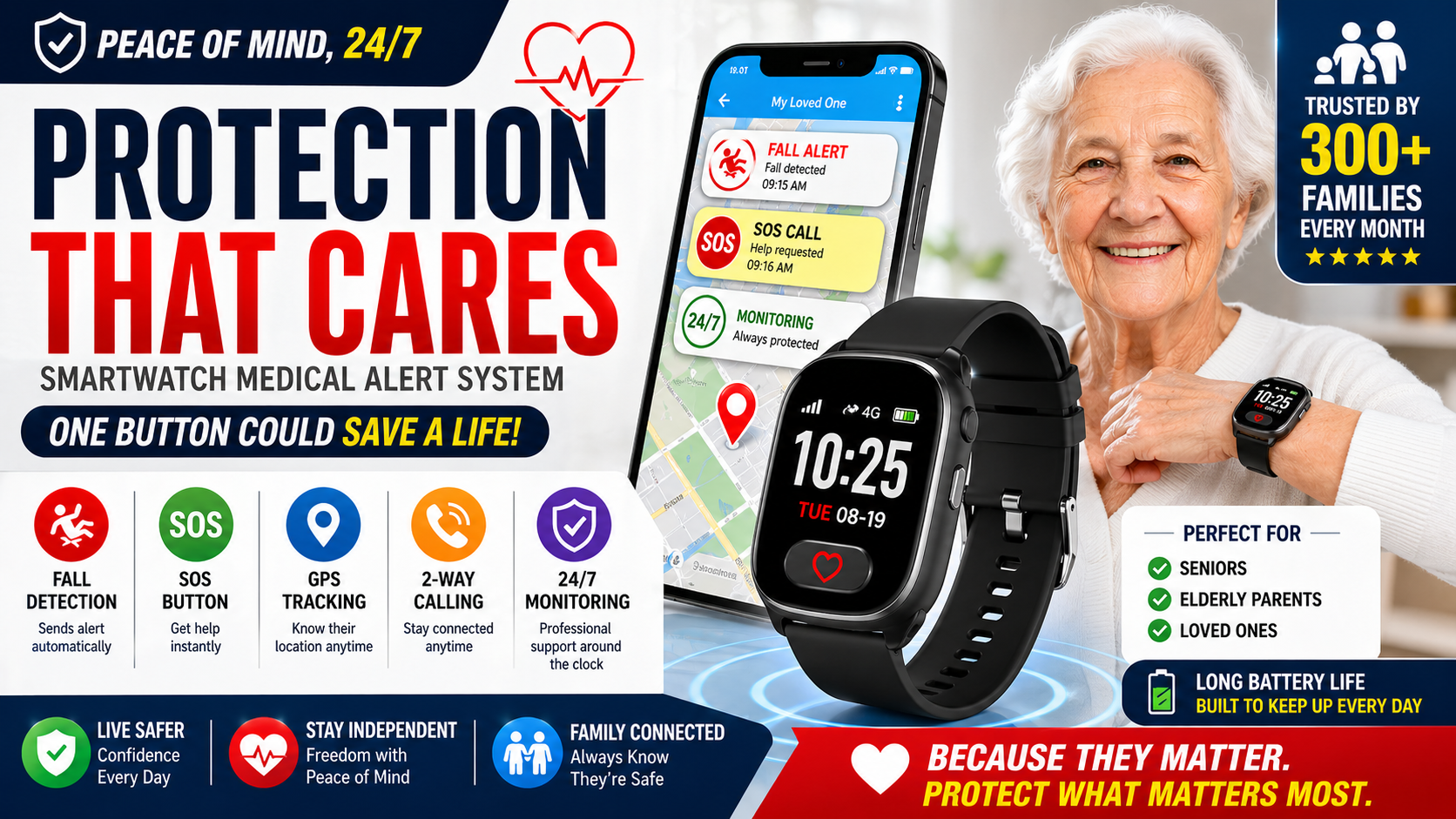
The SecuLife Smartwatch closes that gap to seconds — automatic fall detection that alerts family immediately with GPS location without requiring any action from the person who has fallen. Present during every shower. Every nighttime bathroom trip. Every walk. Everywhere falls actually happen.
Our complete guide on medical alert systems for seniors covers every type of system and what makes the SecuLife the right choice for most situations.
→ Get the SecuLife Smartwatch on Amazon
The Home Assessment — Room by Room
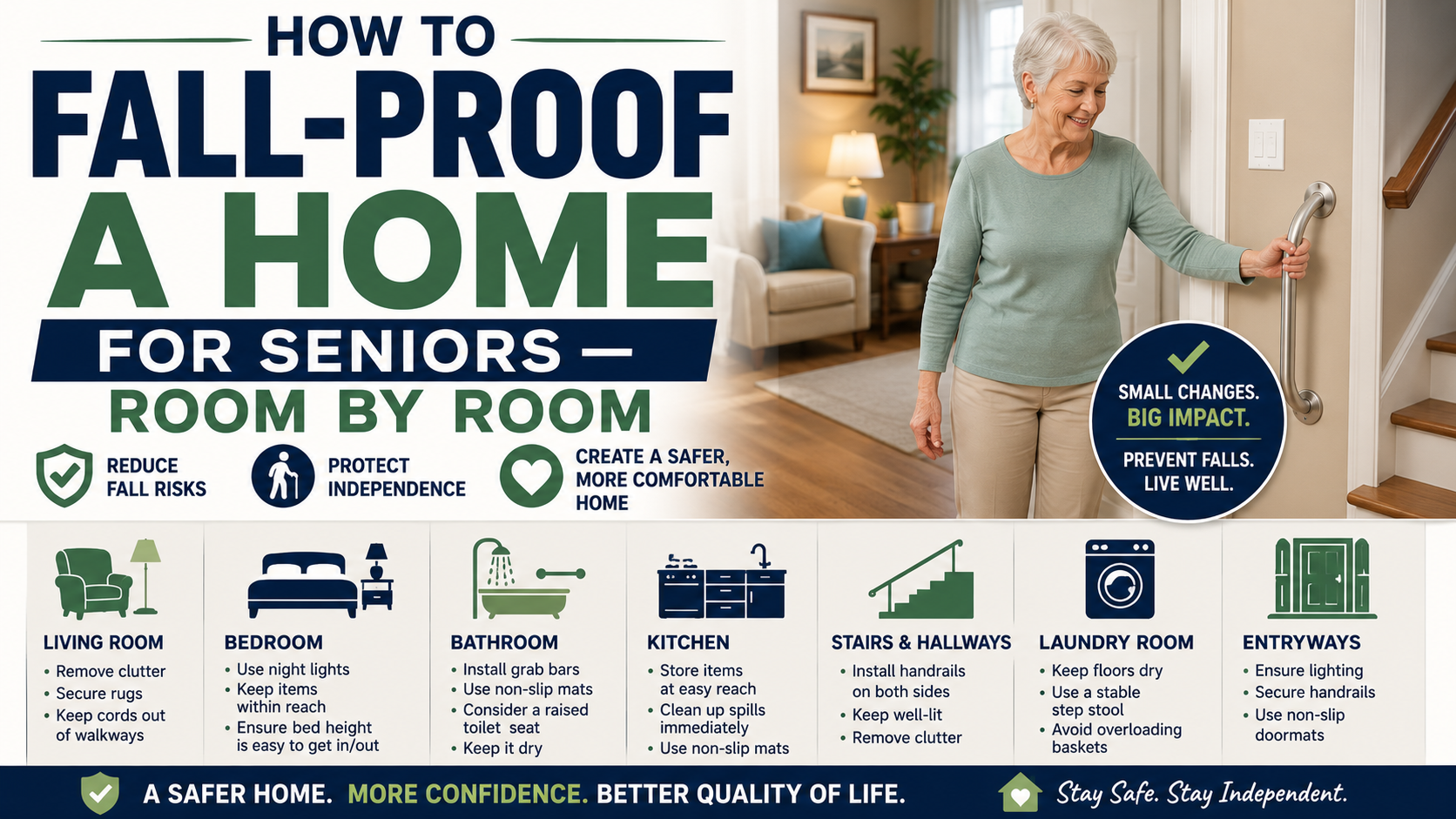
A systematic home assessment identifies every environmental fall hazard before it produces a fall. Our home safety checklist for seniors covers every room with specific hazards and modifications. Our guide on how to fall-proof a home for seniors covers every modification in priority order.
The free modifications — removing unsecured rugs, clearing cords, reorganizing kitchen storage — can be done today. The product orders arrive within days. The grab bar installation takes a weekend. The complete fall-proofing project is achievable in two weeks for most homes.
When Falls Keep Happening — The Next Level Response
For anyone experiencing repeated falls a formal fall risk assessment by a physician or geriatric specialist is the most important step. As covered in our guide on what to do when an elderly parent keeps falling — repeated falls are a system problem with a specific clinical response that goes beyond environmental modification.
Formal fall risk assessment. Physical therapy referral. Specialist evaluation for underlying conditions — Parkinson’s, vestibular disorders, normal pressure hydrocephalus — that produce falls and are treatable when identified.
The Warning Signs to Act On Now
As covered in our guide on the warning sign families miss until it’s too late — the window between warning signs and serious fall is real and finite. A first fall that gets minimized. Unexplained bruising. Changed movement patterns. New medications. These are the signals that the window is open — and that acting in it prevents what not acting produces.
Our guide on normal aging vs something worth worrying about covers exactly how to distinguish changes that warrant action from changes that are normal aging.
The Complete Fall Prevention Action Plan
Free — do today:
- Remove every unsecured rug from every walking area
- Clear every cord from every walking path
- Request falls-focused medication review from physician
- Check lighting in every room and identify dark spots
Order this week:
- Grab bars — shower entry and toilet position
- Toilet safety rails
- Non-slip bath mat
- Bed rail
- Auto-on night lights — three units
- Non-slip grip socks
- Medical alert device with automatic fall detection
This month:
- Install grab bars correctly — position and mounting both matter
- Schedule vision check
- Identify and start a balance exercise program
- Complete room-by-room home safety assessment
Ongoing:
- Balance and strength exercise every week
- Consistent hydration — not dependent on thirst
- Medical alert device worn every day
- Six-month home safety reassessments
Falls Are Preventable — Not Inevitable
The framing that falls are simply what happens with age is both factually wrong and practically harmful. It leads to acceptance of risk that is largely modifiable and inaction on interventions that genuinely work.
The two-thirds of older adults who don’t fall in any given year aren’t lucky. They’re the ones whose medications have been reviewed. Whose bathrooms have been modified. Who exercise consistently. Whose families noticed the warning signs and acted on them.
The one-third who fall aren’t unlucky either. They’re the ones whose risk factors weren’t identified or addressed. That’s not fate. That’s a gap that this guide — and the hundred articles behind it — exists to close.
For the complete senior safety picture our guide on the complete senior safety guide covers every element of safe independent living in one comprehensive resource. Our guide on elderly fall statistics covers the full research base behind every recommendation in this guide.
About the Author
Margaret Holloway, RN spent 22 years in geriatric nursing watching the fall prevention conversation happen in two versions — before the fall, when everything in this guide is still preventive, and after the fall, when the same information arrives too late to matter for the current crisis and only useful for preventing the next one. This guide is the before version. Complete, specific, evidence-based, and written for the families and older adults who have the window open right now — while the fall that makes it urgent hasn’t happened yet. That window is when all of this matters most. She writes for Elder Safety Guide because 100 articles of specific, honest fall prevention guidance deserve one article that pulls it all together into a framework families can actually act on.