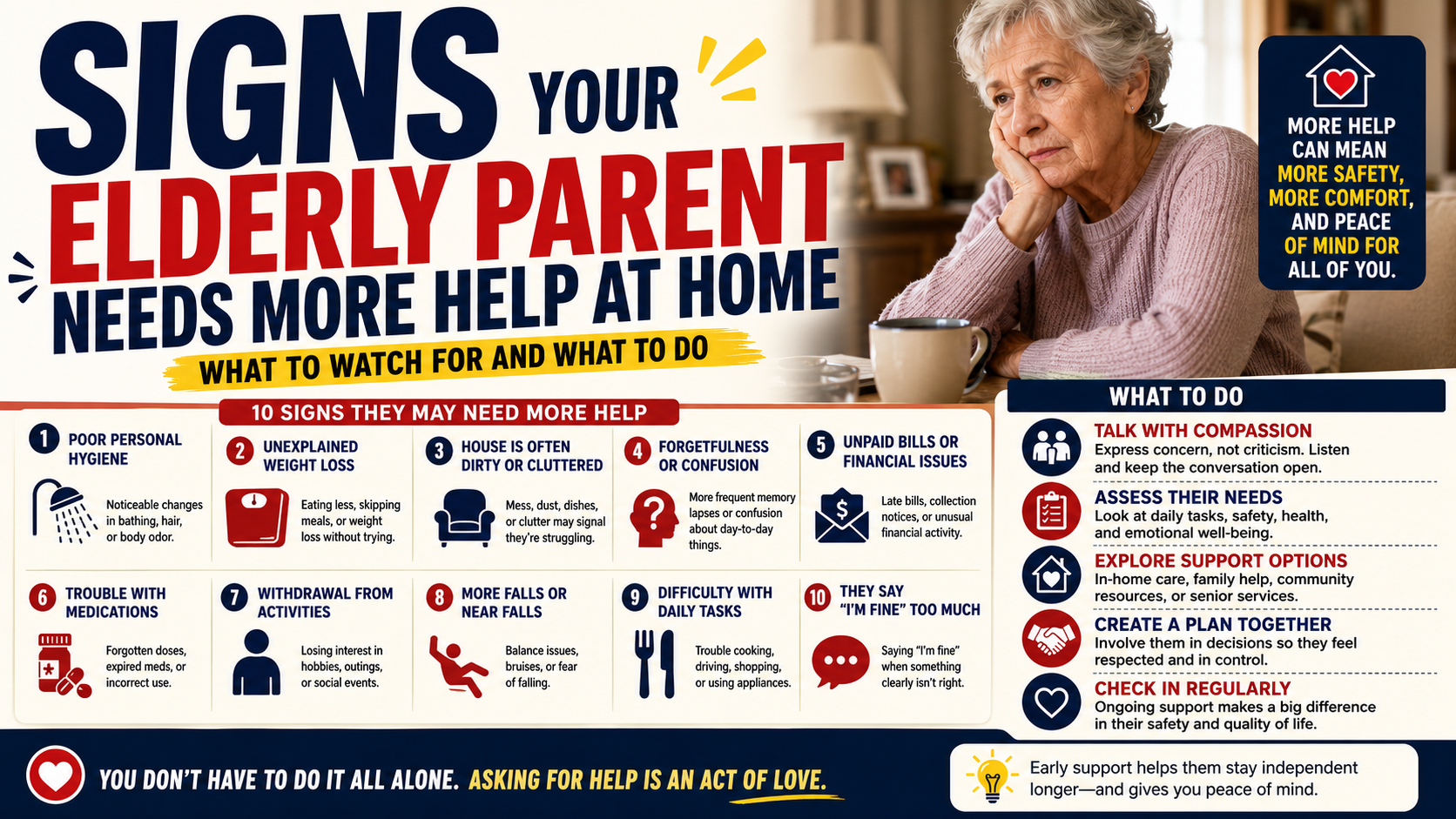
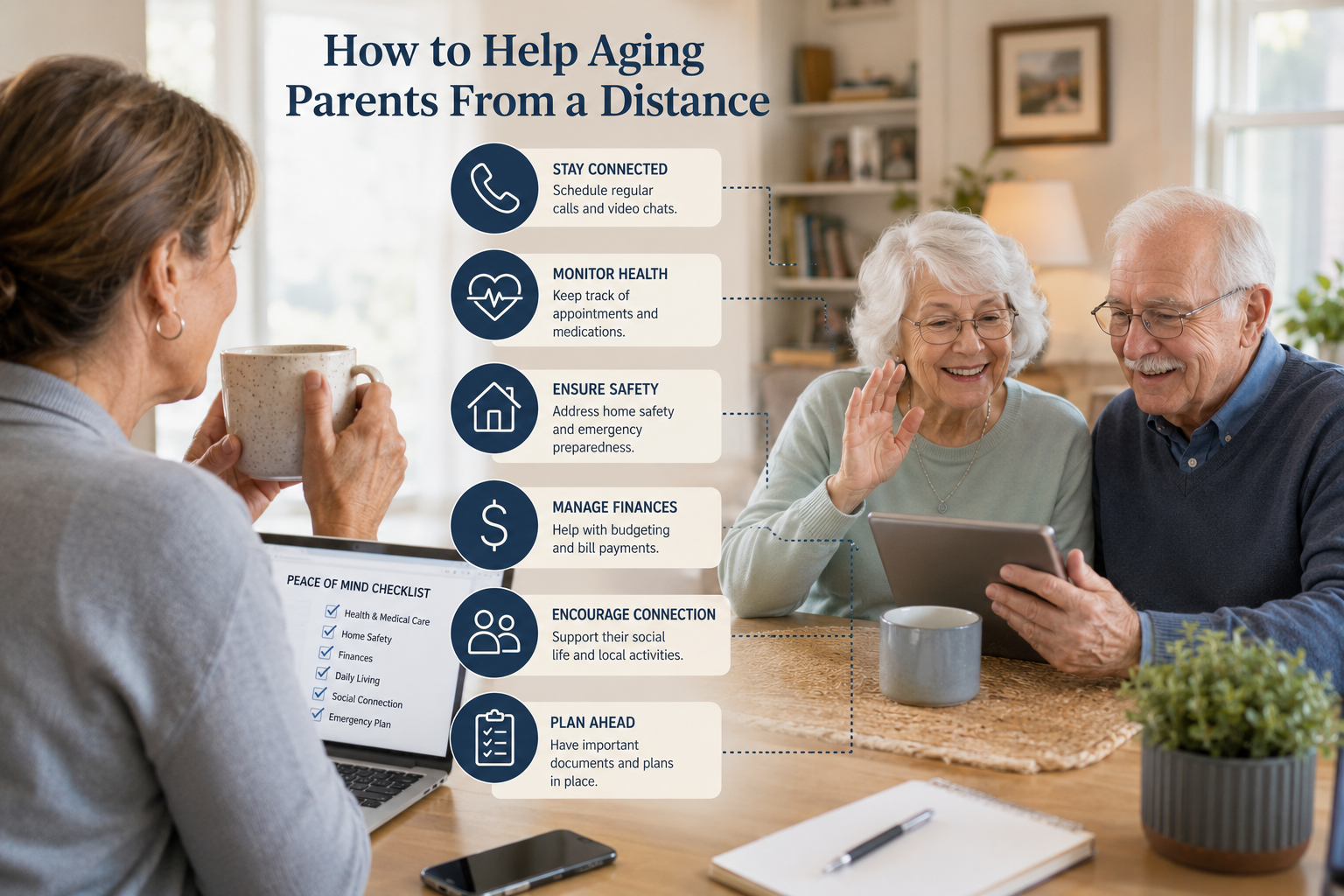
Living far from an aging parent is one of the most common and most difficult situations in modern family life. The worry that arrives with distance — the unanswered calls that feel different than they used to, the visits that reveal changes that phone calls didn’t, the knowledge that if something went wrong you couldn’t be there in minutes — is real and it doesn’t fully resolve with reassurance.
What resolves it is a system. Not constant monitoring or daily anxiety. A specific set of tools, habits, and conversations that give you reliable information about how your parent is doing and reliable protection for when something goes wrong — so that the distance stops being a source of helplessness and becomes something you’ve prepared for.
This guide covers exactly that system.
The Honest Challenge of Distance Caregiving
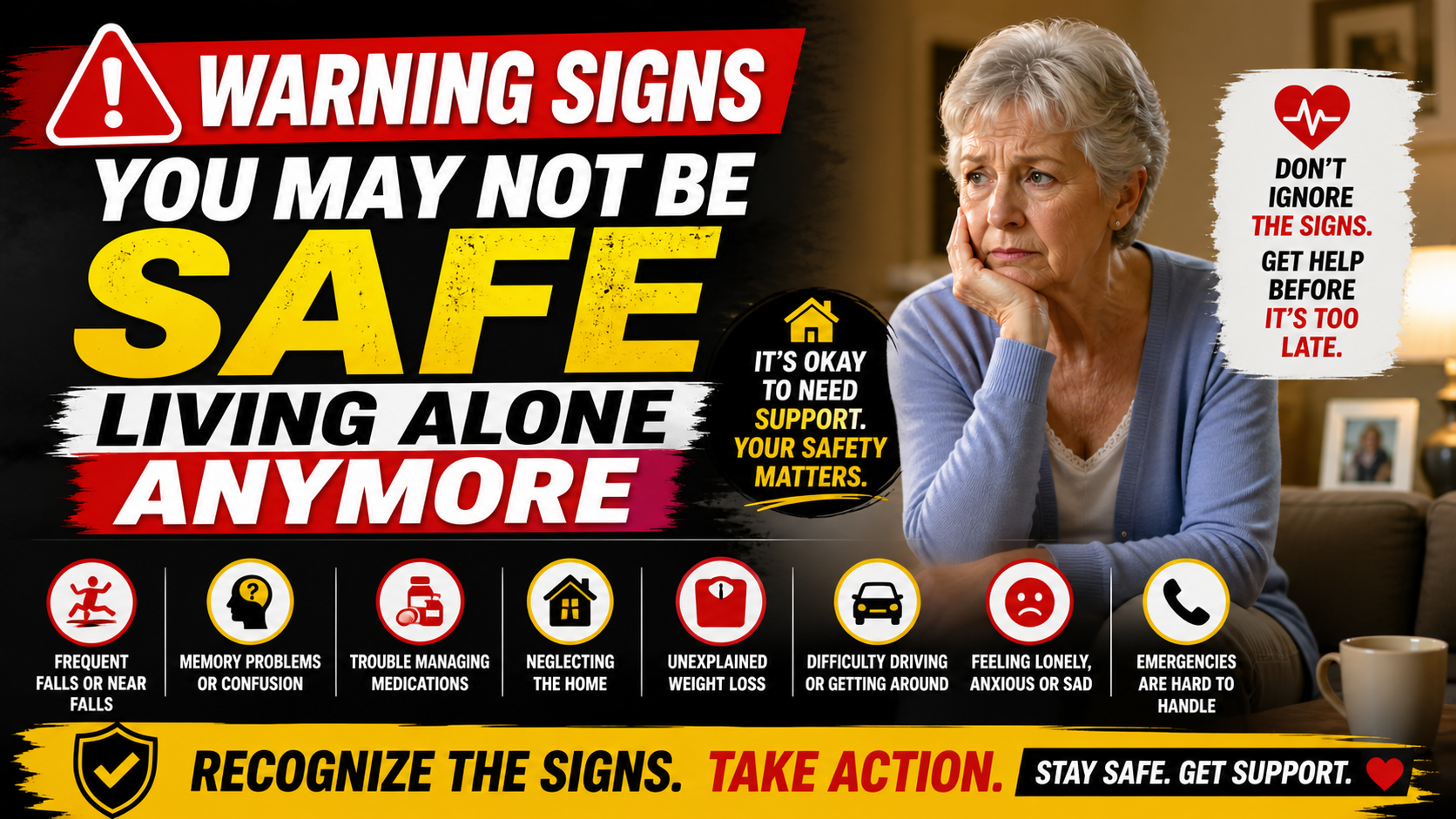
Distance caregiving is different from nearby caregiving in specific ways worth acknowledging before jumping to solutions.
You can’t drop by. When something seems off in a phone call you can’t follow up with a visit the same day. You can’t see the refrigerator to know whether food is being eaten, the mail to know whether it’s piling up, the bathroom to know whether the modifications that were discussed have actually been installed. Everything is mediated — by phone calls where your parent tells you what they want you to know, by visits spaced weeks or months apart where you try to read everything into a few days.
The system in this guide addresses each of these limitations specifically — not by eliminating distance but by putting in place the information and protection layers that distance removes.
The Daily Check-In — The Foundation of Distance Safety
A structured daily check-in is the single most important distance caregiving habit — and the one most families do inconsistently or not at all in the way that actually provides safety coverage.
An effective check-in has four components. A specific time — not “I’ll call when I get a chance” but 9am every morning. A specific format — a text that gets responded to, a brief call, a consistent contact that your parent expects and you expect back. A clear escalation plan — if the 9am text isn’t responded to by 9:30, what happens? Who calls next? At what point does someone go physically check? And consistency — the check-in that happens every day without exception is the one that makes a missed check-in immediately and obviously significant.
The escalation plan is what most families skip. Write it down before you need it. Share it with any siblings or other family members involved. The moment of a missed check-in is not the moment to be deciding what to do next.
Automatic Fall Detection — Closing the Gap Technology Creates
The most dangerous gap in distance caregiving isn’t the emotional one. It’s the detection gap — the hours between when something goes wrong and when you find out about it.
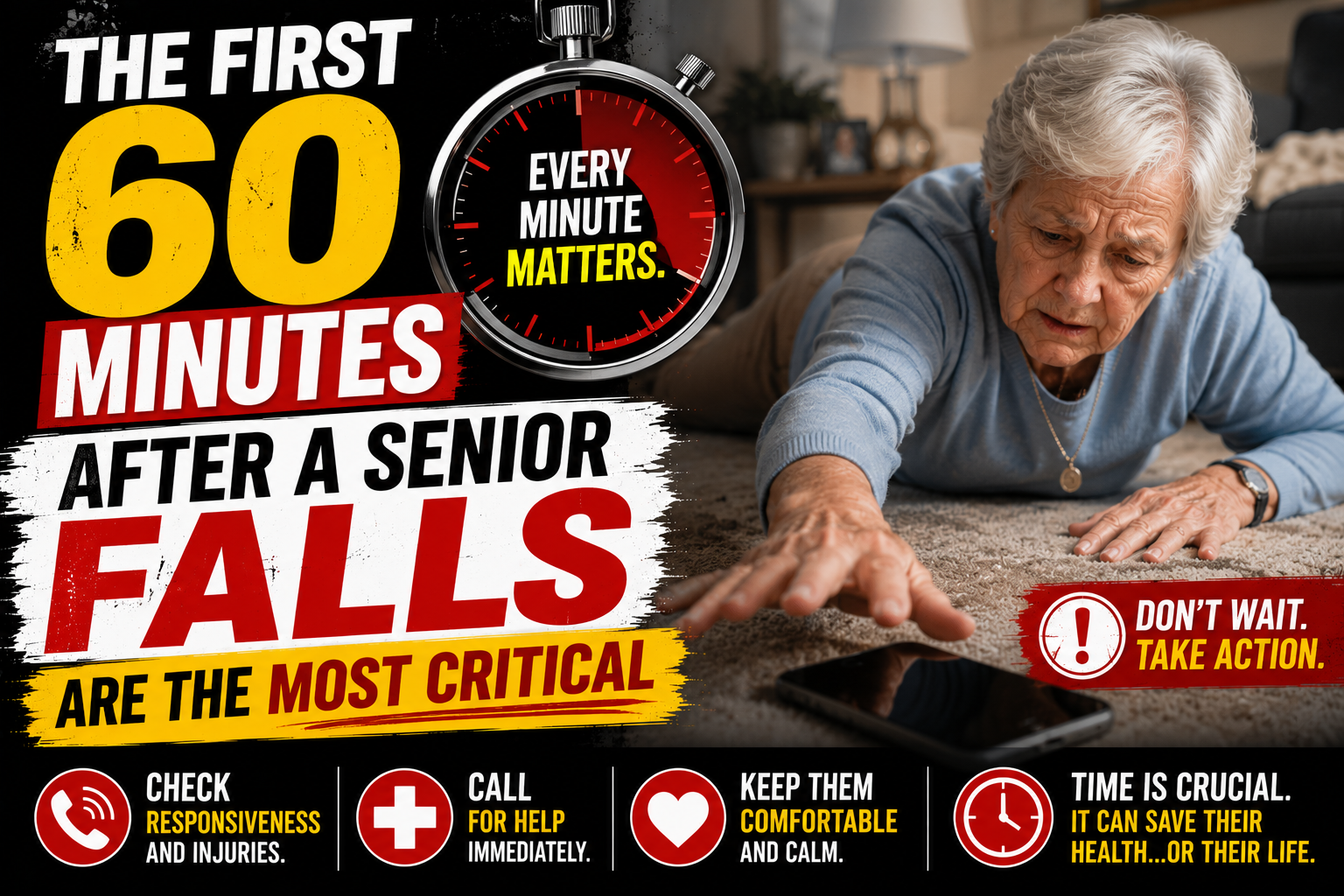
As covered in our guide on the first 60 minutes after a senior falls are the most critical — physiological consequences begin accumulating within 30 minutes of a fall on a cold floor. For a parent living alone without fall detection that gap is measured in however long until the next check-in. For many families that’s hours.
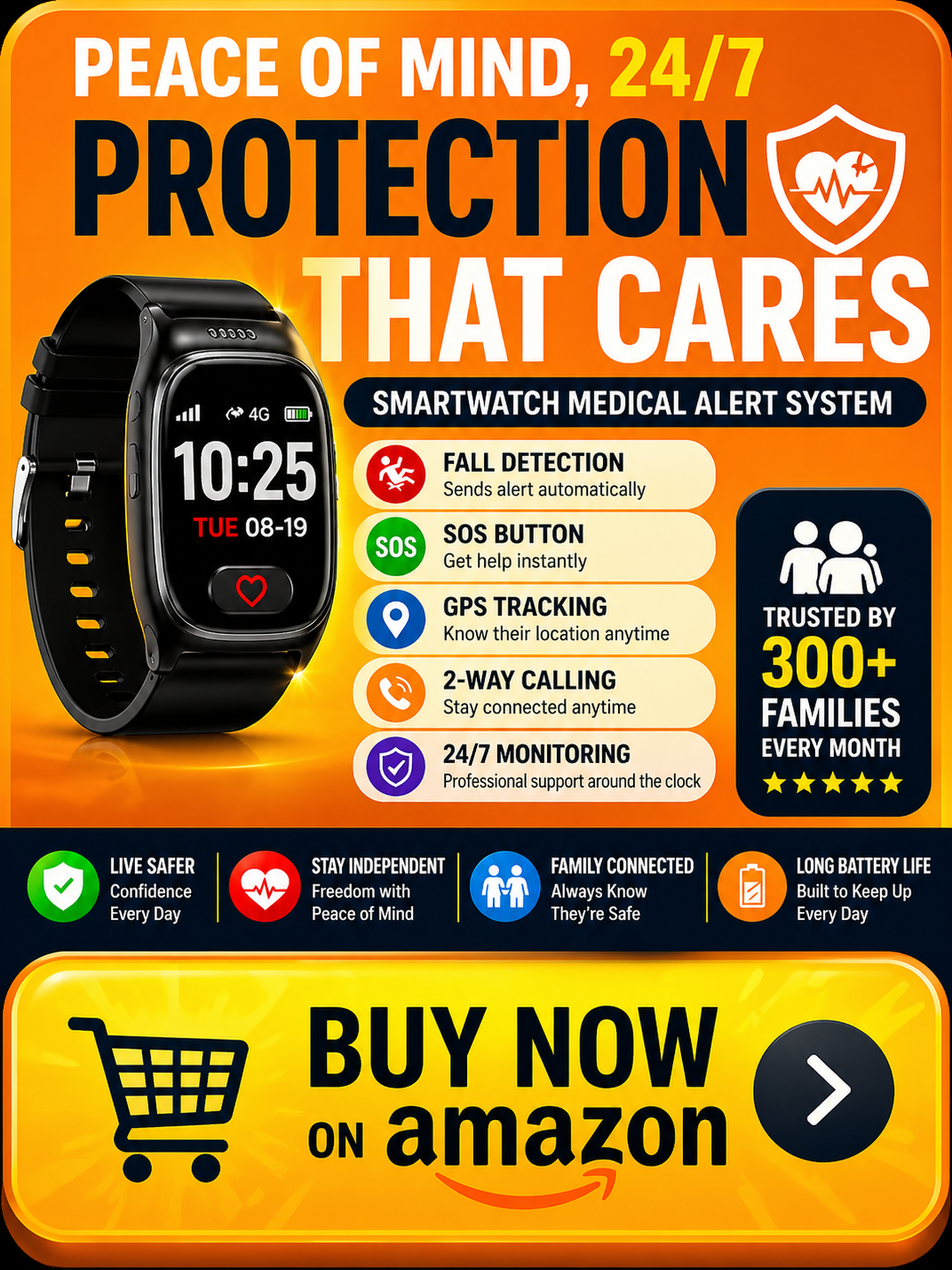
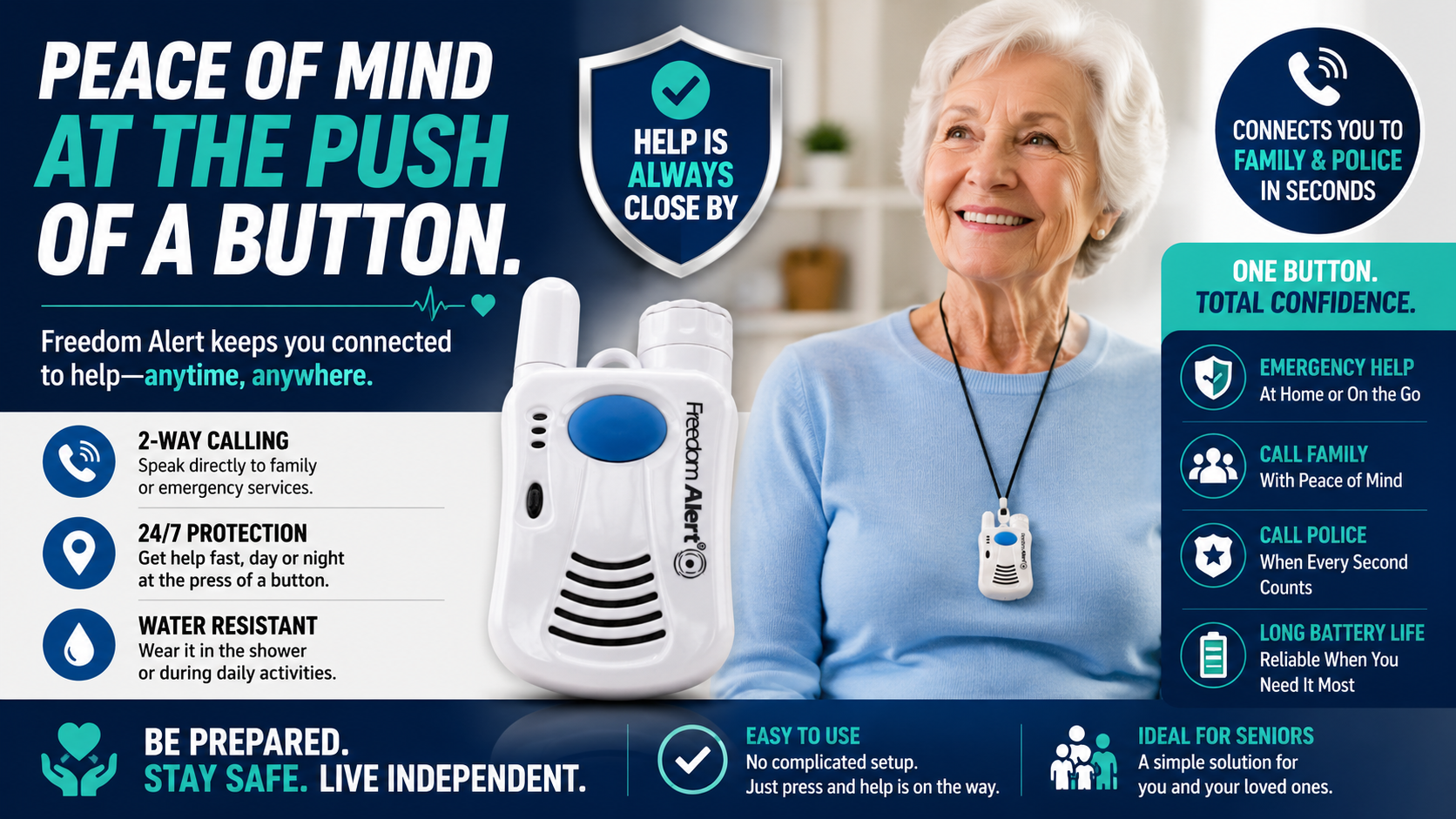
The SecuLife Smartwatch closes that gap to seconds. Automatic fall detection alerts all designated family members simultaneously with real-time GPS location — without requiring any action from the parent who has fallen. Setup is done entirely by the family member through the SecuPro app. Your parent puts on the watch in the morning. You receive alerts if something happens.
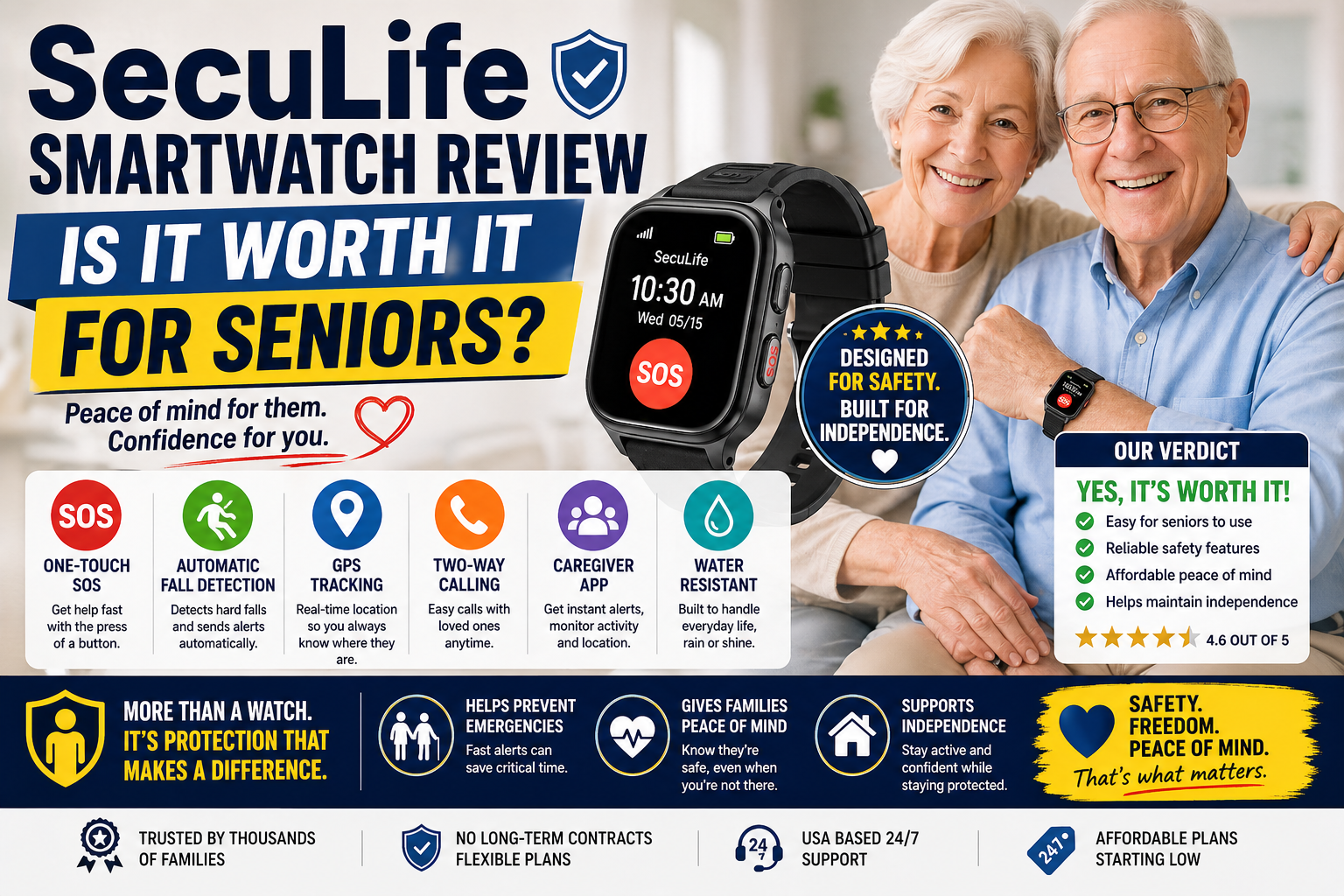
Our complete review at SecuLife Smartwatch Review covers every feature worth knowing. Our guide on best medical alert system for seniors living alone covers the complete solo-living safety picture.
GPS Location — Knowing Where They Are
The SecuPro app that accompanies the SecuLife shows your parent’s real-time GPS location continuously — not just when an alert fires but any time you open the app and check. For families managing a parent who drives, walks regularly, or has any cognitive changes this continuous location access provides a monitoring layer that phone calls can’t replicate.
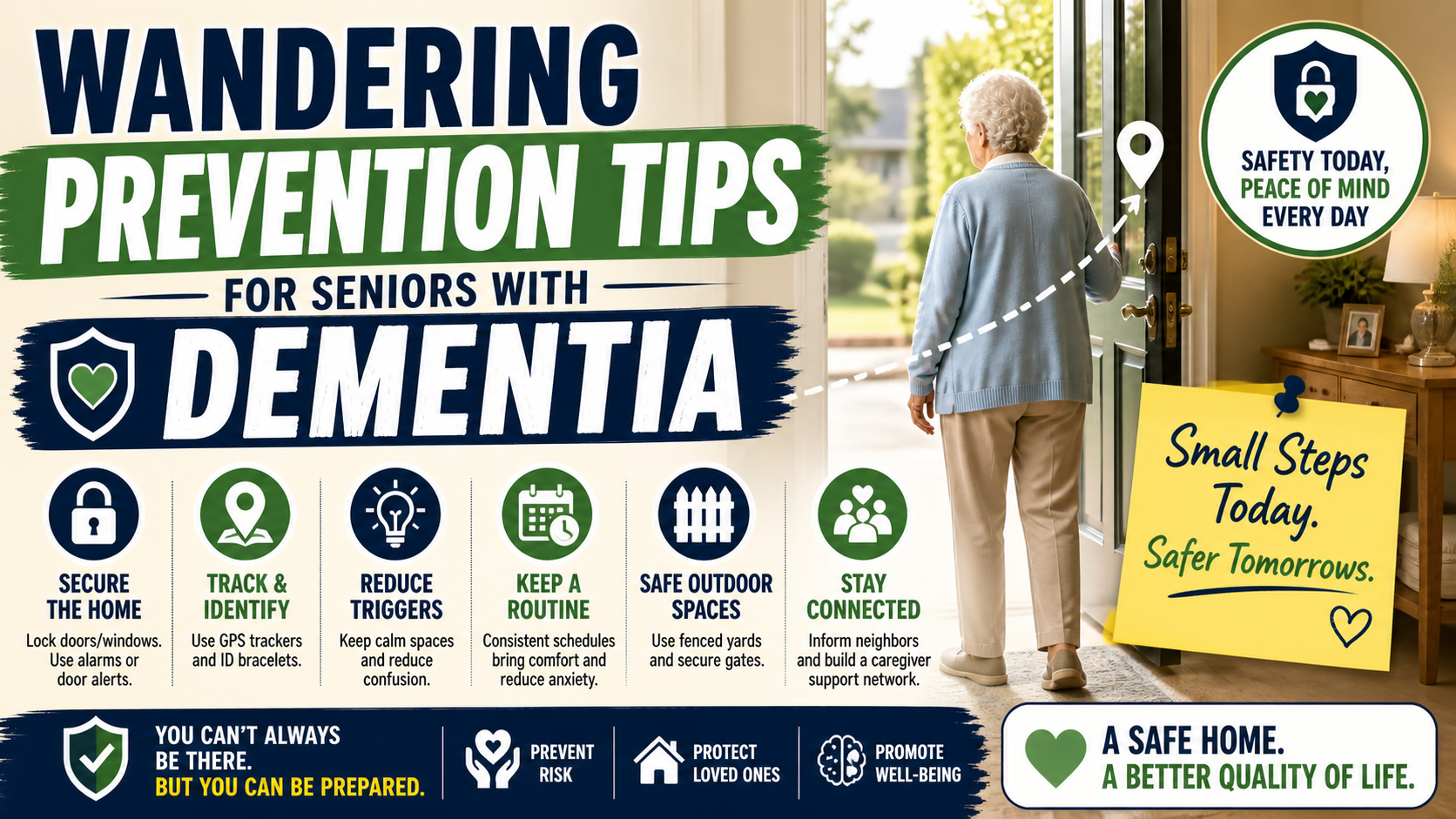
For families managing a parent with dementia geofencing alerts — automatic notifications when the parent crosses a defined safe area boundary — provide early warning of wandering episodes before they become missing person situations. As covered in our guide on wandering prevention for seniors with dementia — the geofencing alert that fires as wandering begins is far more useful than any response to a wandering episode that has been underway for hours.

Building the Local Support Network
Technology covers automated detection and location. A local human network covers the gaps technology doesn’t — the neighbor who notices something seems off, the friend who stops by, the physician who sees your parent regularly and can flag changes you’re not positioned to observe.
Neighbors
At least two neighbors should know your parent, have your contact number, and know to call if anything seems unusual — lights that aren’t coming on at normal times, mail that’s accumulating, a car that hasn’t moved in days. Have the explicit conversation before something makes it urgent. Most neighbors are genuinely glad to be asked and to have a role that feels helpful rather than intrusive.
Local Friends and Community
Faith community members, longtime friends, senior center connections — people who see your parent regularly in person can observe changes that phone calls hide. Staying connected with these people — knowing who they are, having their contact information, reaching out periodically — gives you eyes on the ground that no technology replicates.
The Primary Care Physician
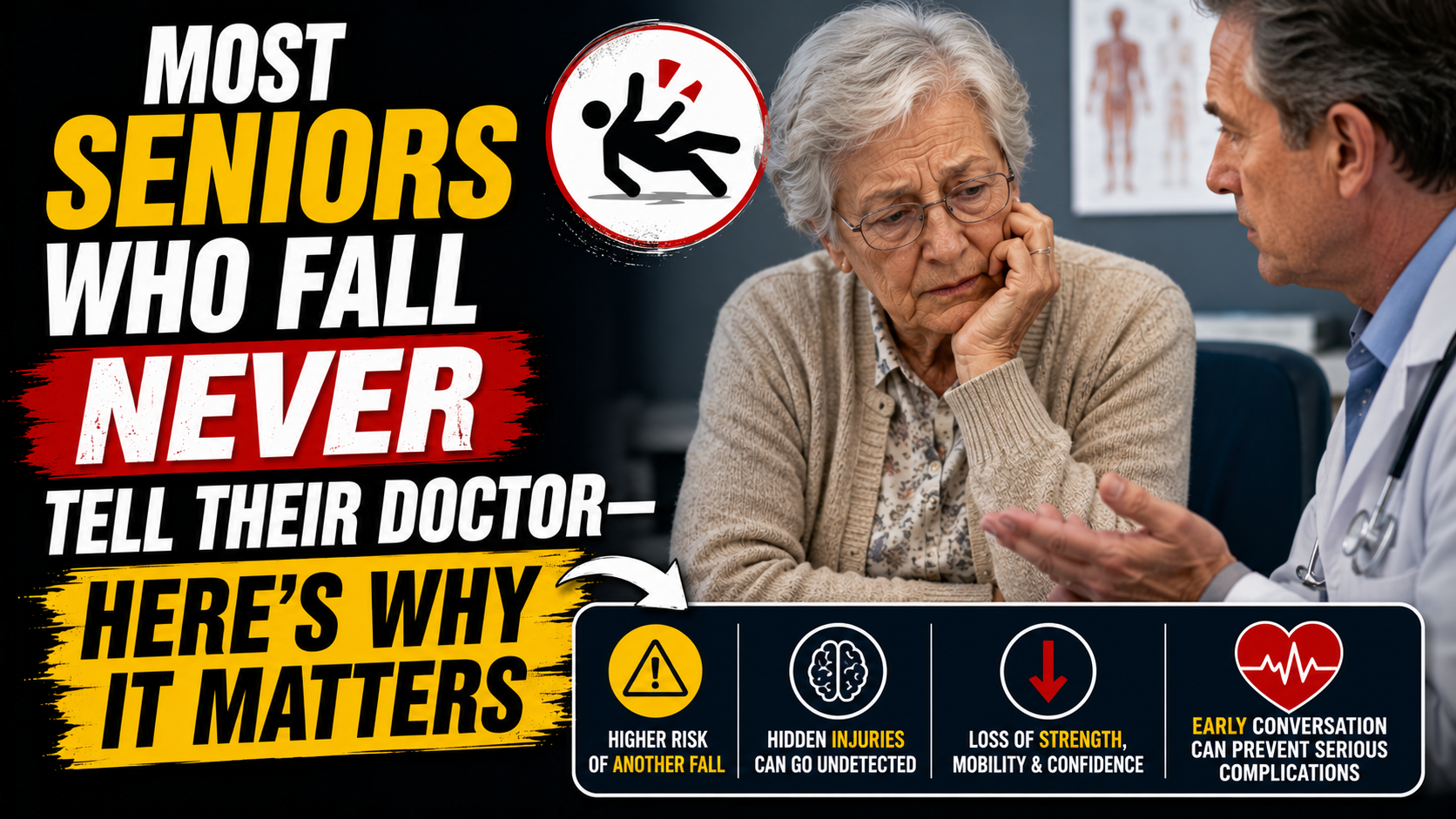
Communicating directly with your parent’s physician — sharing observations from visits and phone calls that your parent may not report — gets clinical information into the medical record where it can inform care decisions. Most physicians welcome patient portal messages from family members flagging concerns. As covered in our guide on most seniors who fall never tell their doctor — the falls that don’t reach the physician can’t generate the clinical response that prevents the next one.
Making Visits Count
When distance means visits happen monthly or less frequently each visit carries more weight — both as a connection point and as an observation opportunity. Making visits count requires being intentional about both.
The Safety Assessment Walk-Through
Every visit should include a deliberate walk through the home with safety eyes — not as an inspection of your parent’s competence but as a maintenance check on the safety systems that support their independence. Are the grab bars still firmly mounted? Has any unsecured rug appeared? Is the night light still plugged in and functional? Is the medical alert device being charged and worn?
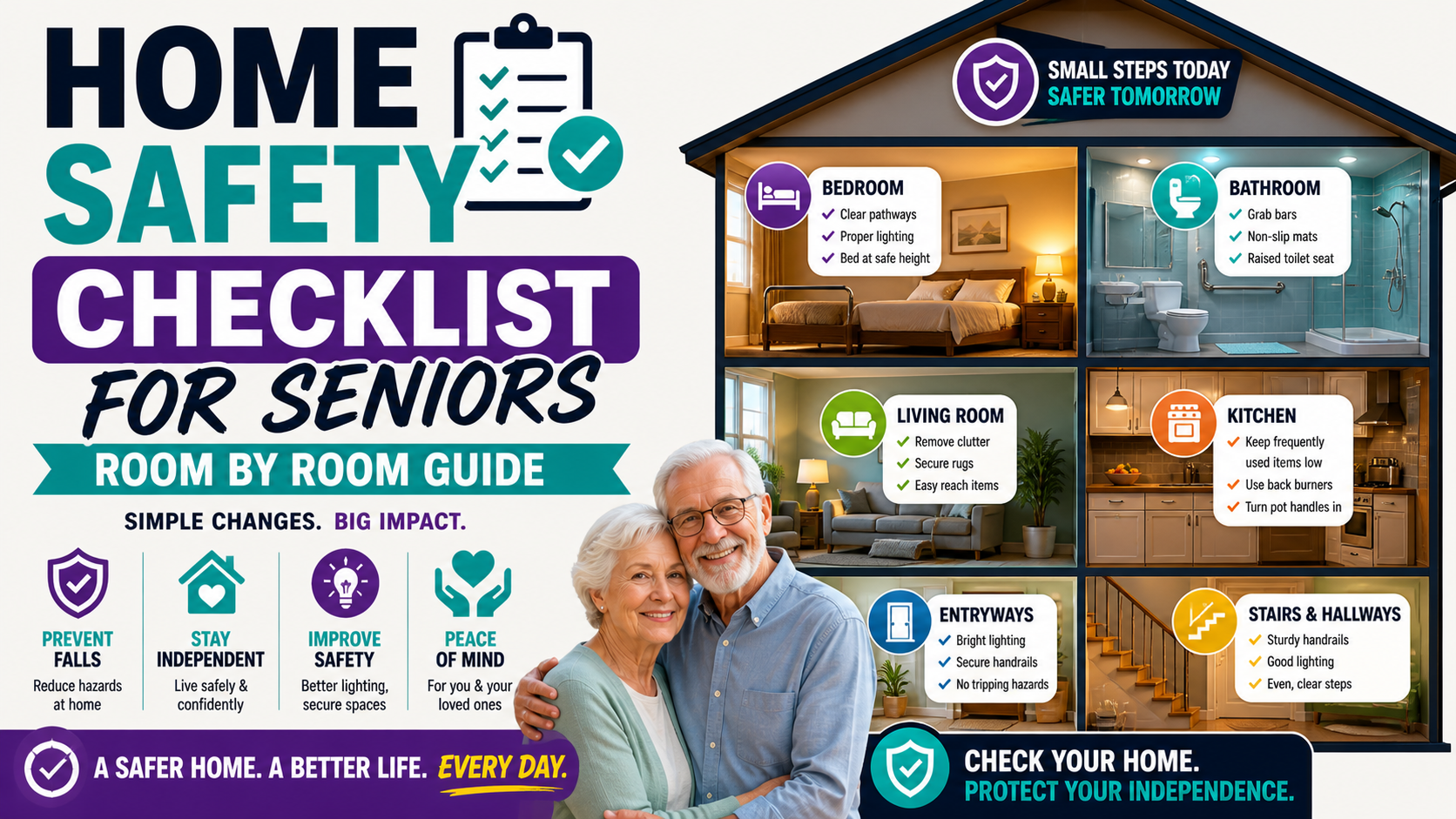
Our home safety checklist for seniors gives you the systematic room-by-room tool to work through during visits.
Do the Things That Require Physical Presence
Some safety improvements require a person to be there. Grab bar installation. Replacing a worn bath mat. Rerouting a cord that’s crossing a walking path. Removing a rug that’s become a hazard. These are the tasks that don’t happen between visits and that pile up into significant accumulated risk without someone there to address them.
Coming with a list of specific tasks to accomplish during the visit — rather than leaving home modifications for “someday” — makes each visit produce lasting safety improvements rather than just pleasant time together.
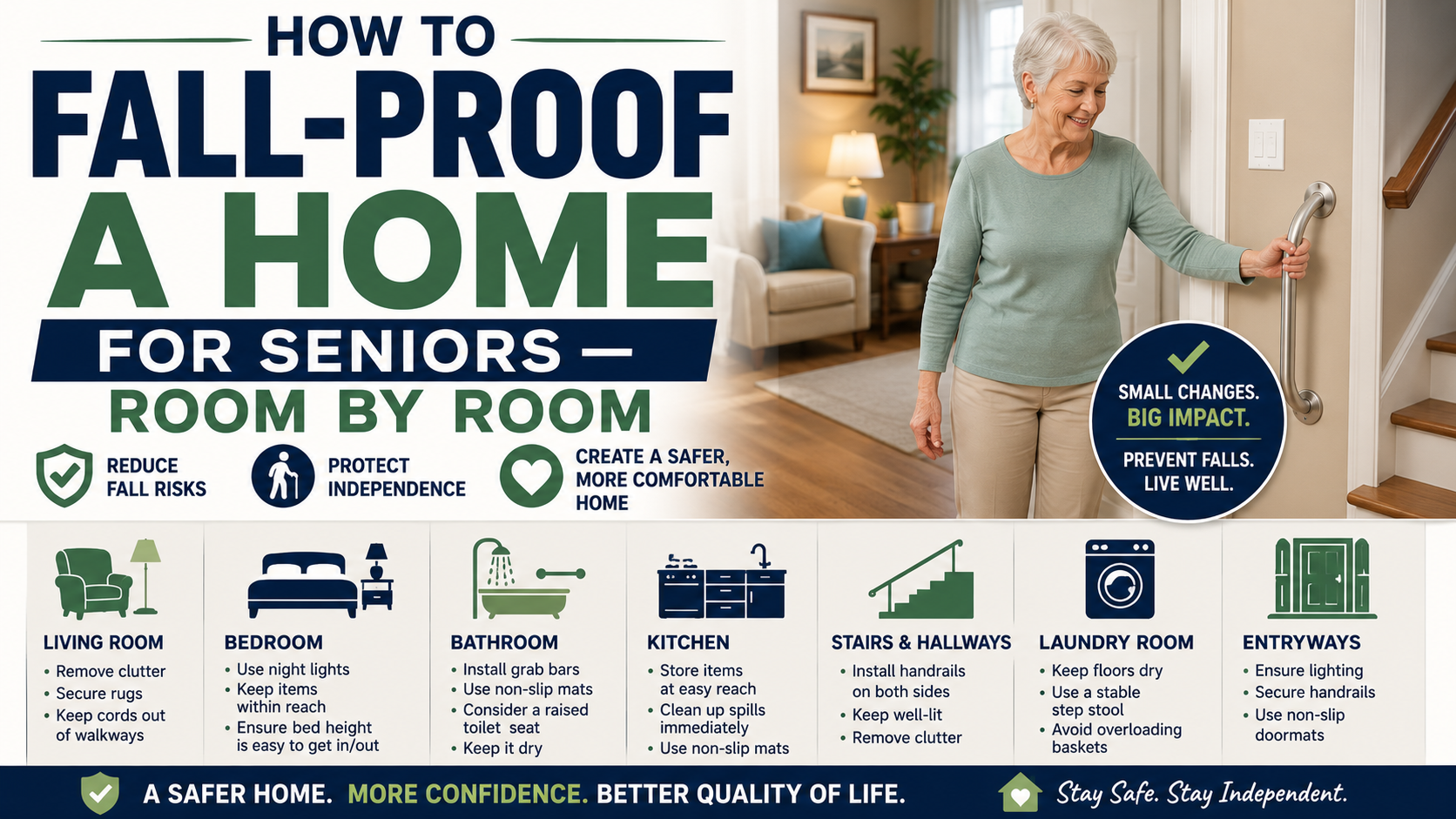
Our guide on how to fall-proof a home for seniors covers every room in priority order. Our guide on how to install grab bars for seniors covers the most impactful installation during a visit.
Have the Conversations That Need a Visit
Some conversations are easier in person than on the phone. The conversation about whether the current living situation is still working. The conversation about what your parent would want if things got harder. The conversation about legal documents — power of attorney, advance directive — that need to exist before they’re urgently needed.
Our guide on how to talk to an aging parent about moving covers the hardest version of this conversation. Our guide on aging in place checklist for families covers the planning conversations worth having while capacity to have them exists.

Technology That Extends Your Presence
Beyond fall detection several technologies specifically reduce the isolation and information gap that distance creates.
Video Calling
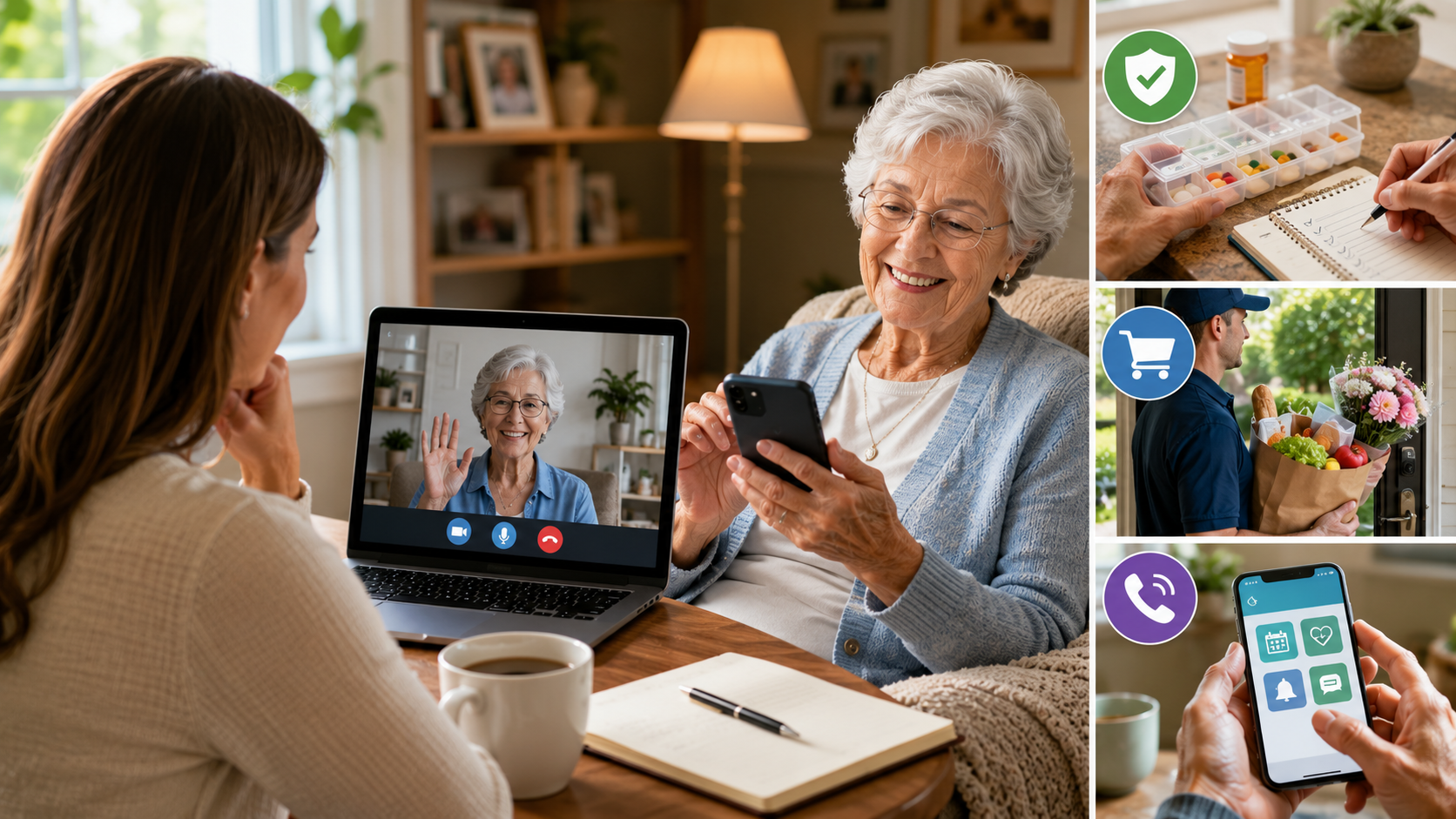
Regular video calls provide more information than audio-only calls — you can see your parent, observe their environment, notice changes in appearance or affect that voice alone doesn’t reveal. Tablets and smart displays positioned in common areas make video calling accessible without requiring your parent to find and operate a phone. A weekly video call at a consistent time provides both connection and observation in a format that feels like a visit rather than a check.
Video Doorbell
A video doorbell provides remote visibility at the point of entry — you can see who is at your parent’s door and speak with visitors through the doorbell from anywhere via smartphone. For parents who open their door without knowing who’s there a video doorbell adds a layer of visitor screening that directly addresses a specific vulnerability of living alone.
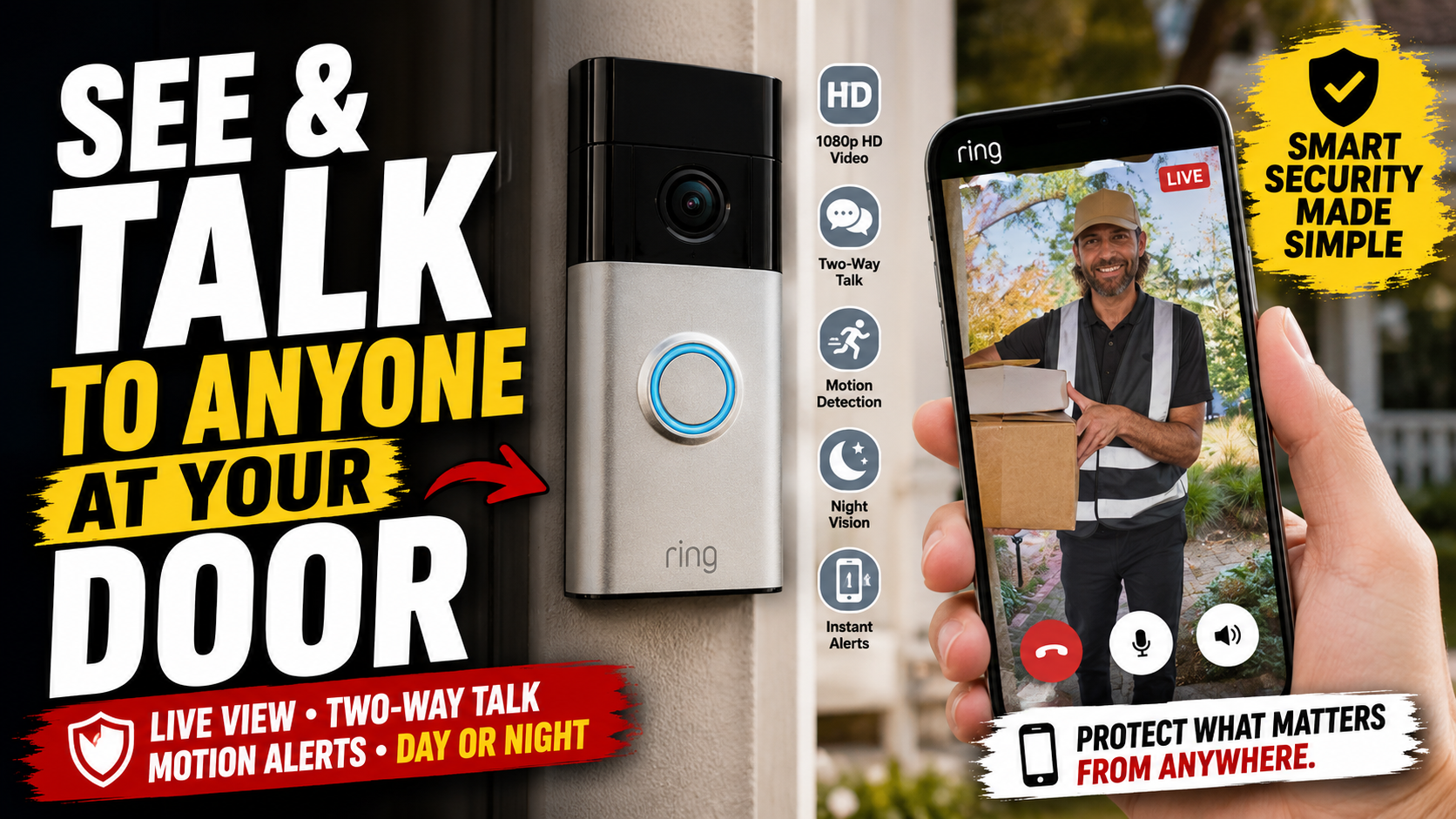
Our review of the Ring Battery Doorbell covers the specific option we recommend.
Medication Management
Medication errors are among the most common causes of medical events in older adults living alone — and among the hardest to detect from a distance. An automatic pill dispenser that organizes medications by dose and alerts when each dose is due provides medication monitoring that phone calls can’t replicate.

Our review of the best automatic pill dispenser for seniors covers the option we recommend. Our guide on how to monitor an elderly parent at home covers the complete monitoring system that medication management fits into.
Taking Care of Yourself in the Process
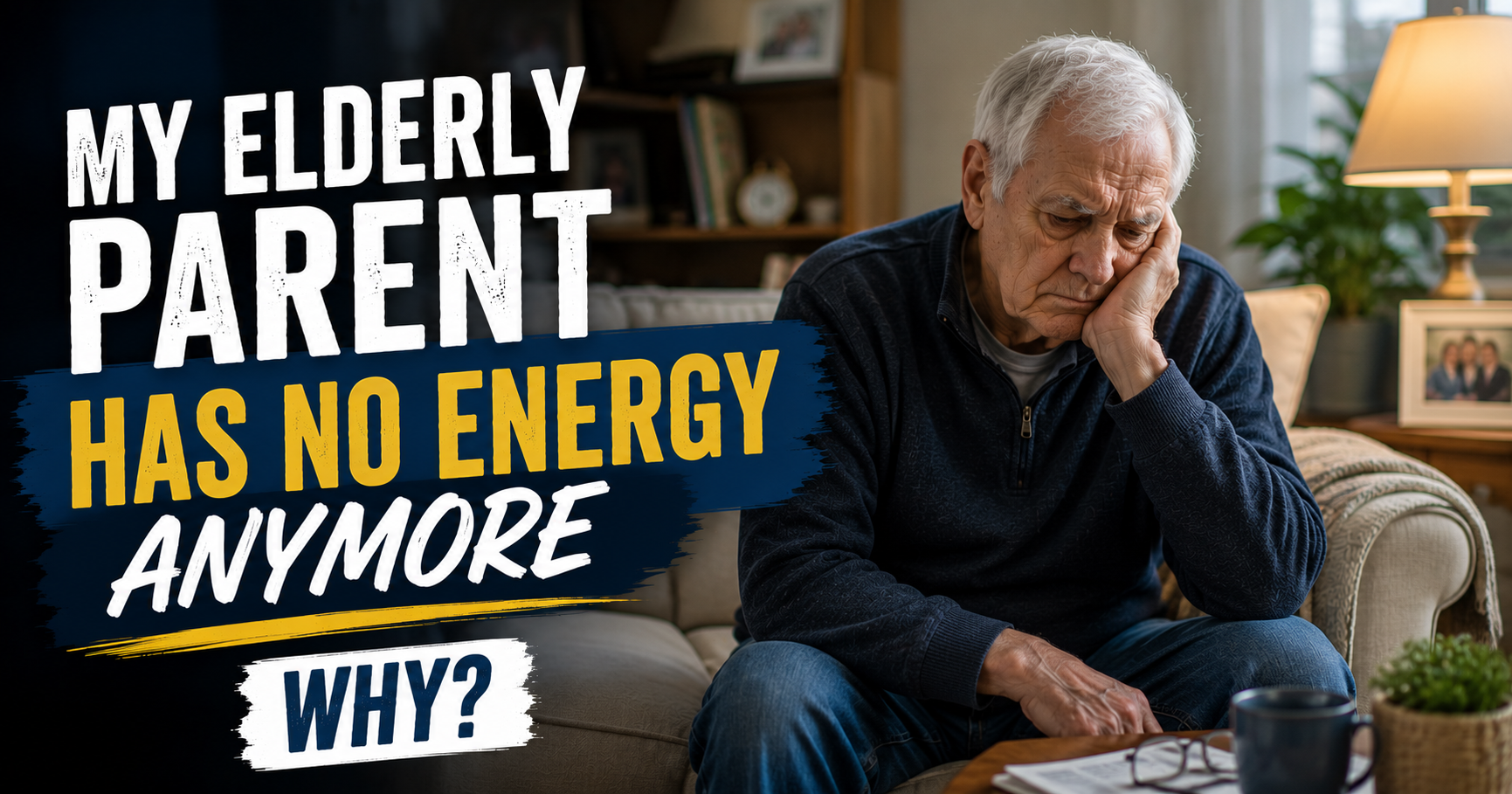
Distance caregiving is emotionally demanding in ways that nearby caregiving isn’t — the worry that doesn’t resolve because you can’t go check, the guilt that arrives when you’re not there during a difficult period, the helplessness of knowing something needs addressing and not being able to address it immediately.
These feelings are normal and common. They don’t mean you’re doing it wrong. They mean you care — and that the distance makes caring harder than it should be.
The system in this guide addresses the helplessness component — by putting in place the specific tools and habits that replace “I hope everything is okay” with “here is how I will know if it isn’t.” That replacement doesn’t eliminate the emotional weight of distance caregiving. But it replaces helpless anxiety with informed confidence, which is a meaningful change in how distance caregiving feels to live through.
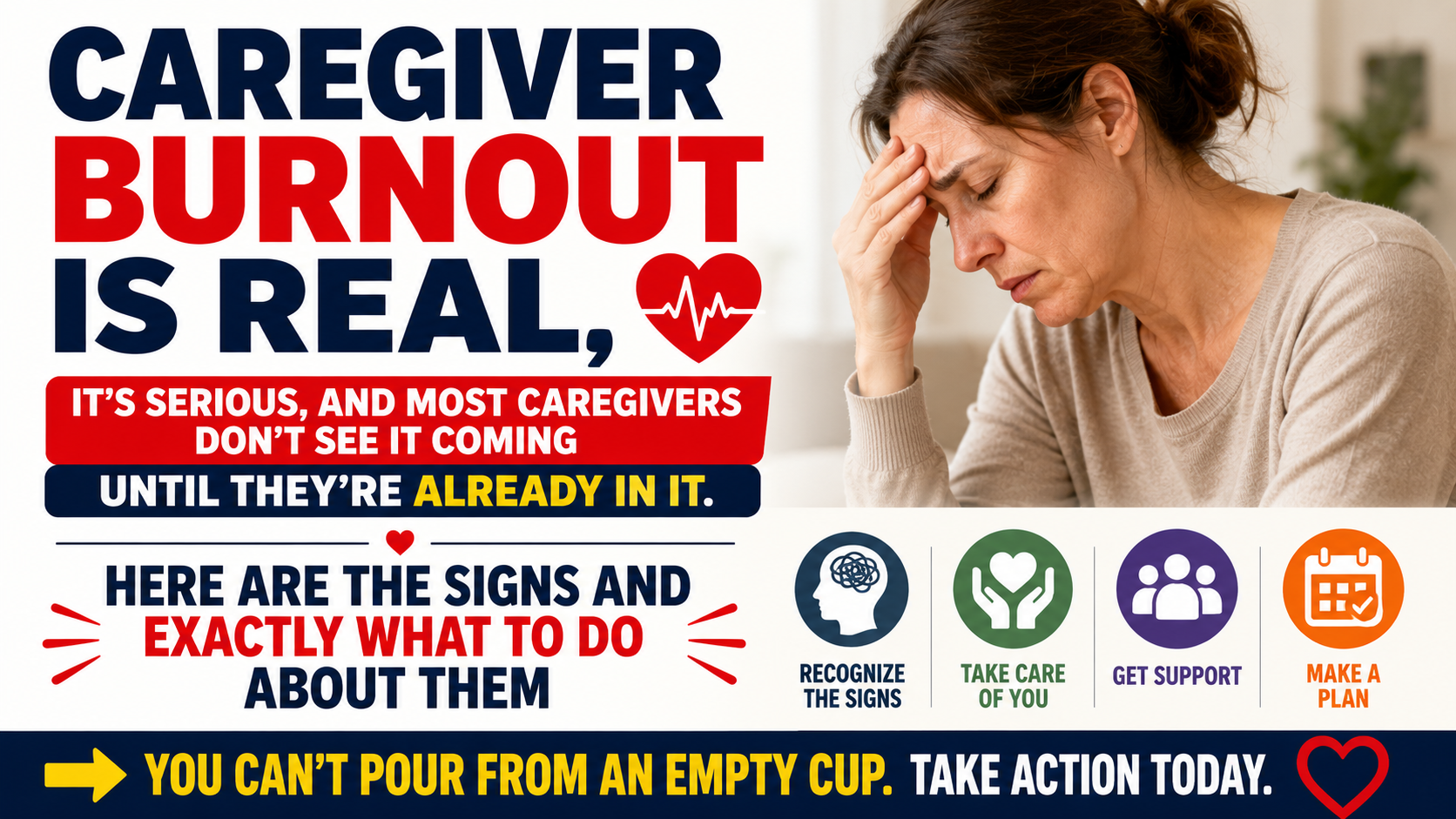
As covered in our guide on caregiver burnout — the sustainability of caregiving matters alongside its effectiveness. Distance caregivers burn out too — from worry, from guilt, from the emotional labor of managing care from afar. Building the system in this guide reduces the chronic anxiety load that produces burnout by replacing uncertainty with a reliable information and response framework.

The Distance Caregiving Checklist
Put in place now:
- Structured daily check-in with specific time, format, and escalation plan
- Automatic fall detection watch — SecuLife configured with your number as primary contact
- Two neighbors with your contact information and explicit ask to call if anything seems off
- Physician communication established — patient portal access or direct contact for flagging concerns
For the next visit:
- Home safety walk-through using the room-by-room checklist
- Grab bar installation if not yet done
- Replace any worn or shifting bath mats
- Check all existing safety equipment is functioning
- Have the planning conversation — legal documents, wishes, what-if scenarios
Ongoing:
- Daily check-in maintained without exception
- Regular video calls for observation alongside connection
- Periodic contact with neighbors and local support network
- Six-month home safety reassessments during visits
Distance Is Not the Same as Absence
The families who manage distance caregiving most successfully are not the ones who feel least worried. They’re the ones who have replaced unstructured worry with structured preparation — who know what would happen if something went wrong because they’ve put the systems in place that determine it.
Distance doesn’t have to mean helplessness. It means a different set of tools than nearby caregiving uses — technology that extends your presence, human networks that provide local coverage, check-in systems that make the absence of a problem as clear as the presence of one.
The system in this guide is that different set of tools. Built correctly it turns distance caregiving from a source of chronic anxiety into something genuinely manageable — and gives your parent the independence they want alongside the safety you need them to have.

About the Author
Margaret Holloway, RN spent 22 years in geriatric nursing working with families navigating care from a distance — families who felt guilty for not being closer, worried for not knowing what was happening day to day, and helpless when something went wrong and they couldn’t be there. The families who managed it best were the ones who had built the system before they needed it — the check-in routine, the detection technology, the neighbor network, the physician relationship. Distance caregiving is genuinely hard. It is not impossible to do well. She writes for Elder Safety Guide because the specific tools that make it manageable deserve to be known by every family navigating it.